


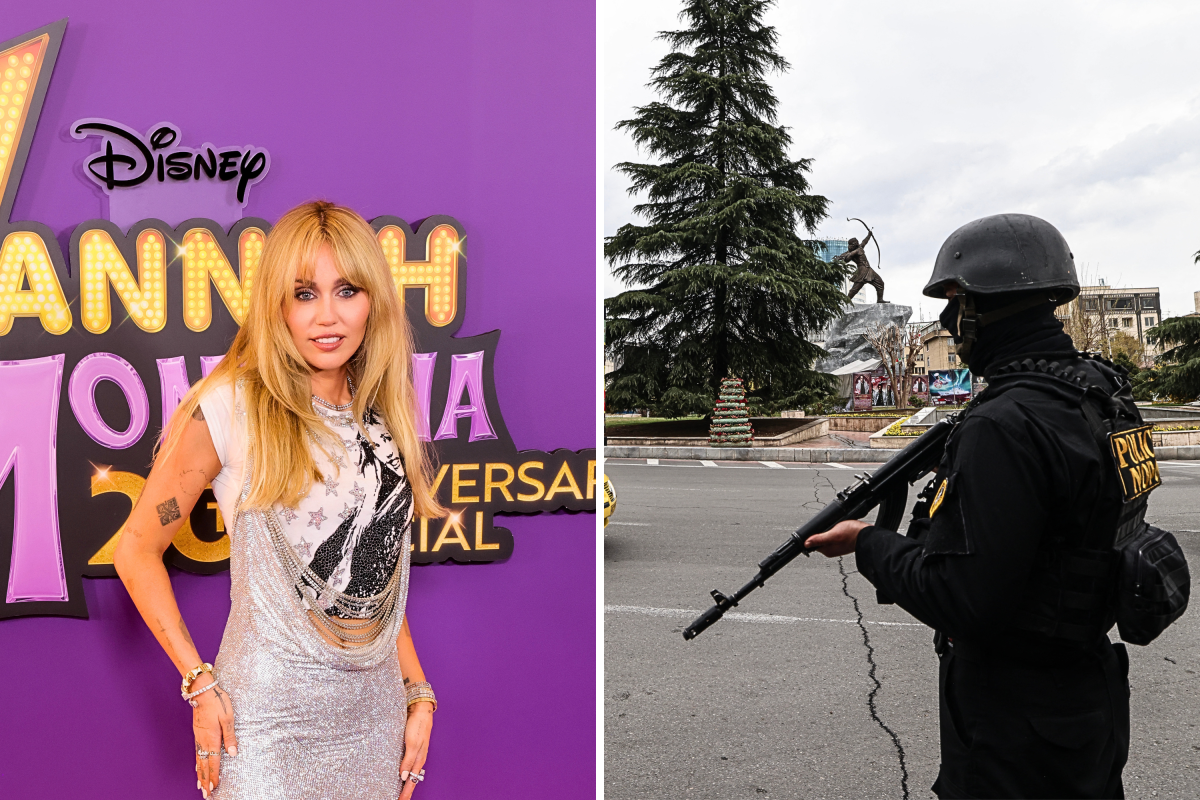
A few weeks ago, I stumbled upon this mind-bending post on Threads from @justinaverysmith that has everyone buzzing. It’s not like one of those crystal-ball predictions about flying cars or robot maids; instead, it hits you with an uncomfortably familiar punch by comparing the landscapes of 2006 and 2026. Picturing two decades apart as if they’re twins separated at birth, the post reminds us why the world’s quirks sometimes loop back on themselves in ways that make us question if progress is just an illusion. It’s gone mega-viral, amassing over 54,000 likes and hundreds of comments from people who can’t shake the weird deja vu it evokes. At first glance, it’s just a fun list of parallels, but dive deeper, and it taps into this collective frustration—like, why does everything feel stuck in a cultural Groundhog Day? People from all walks of life are sharing their takes, turning the comments into a digital campfire where we collectively unpack why history seems to be rewinding rather than moving forward.
The core of the post is disarmingly simple, yet it lands like a gut shot. It sets up two blocks: “The year is 2006,” kicking off with things like an illegal war raging in the Middle East, Miley Cyrus channeling her inner Hannah Montana vibes, and a fresh Harry Potter trailer dropping to fuel fandom frenzy. Then, almost verbatim, “The year is 2026” echoes the same markers—an ongoing illegal war in the Middle East, Miley resurrecting Hannah Montana, and yep, another Harry Potter trailer hitting screens. It’s deliberate in its eerie symmetry, prompting tens of thousands to reflect on how superficially little has shifted in pop culture or geopolitics. You know that feeling when you listen to an old song and realize the lyrics could describe today? That’s the vibe here. It doesn’t claim 2026 is an exact repeat, but it ingeniously uses these cultural touchstones to highlight a stagnation that resonates deeply. Miley’s comeback to her Disney Days, complete with the upbeat tunes and massive appeal, mirrors her past persona, making you wonder if we’ve truly evolved beyond catchy remixes. And Harry Potter’s resurgence? It’s like the wizarding world’s refusal to let go, reminding fans of summers spent glued to screens, debating spells and house rivalries— a comfort in chaos that persists.
What really amplifies the post’s charm is the comments section, which explodes into a treasure trove of shared memes and real-life connections. Folks are piling on with their own 2006-to-2026 echoes, turning it into a playful yet poignant exercise. One user jokingly begs for 2006 rent prices to come back, capturing that universal sigh of financial frustration—back then, a small apartment in a decent city wasn’t a pipe dream, but now it’s a distant memory amid skyrocketing costs. Another points out the “Devil Wears Prada” remake hitting theaters, echoing how movies like that captured workplace drama and fashion fads two decades ago. Then there’s the Scary Movie franchise, with trailers popping up in both eras, a nod to our endless appetite for satirical horror comedies that spoof Hollywood tropes without losing their edge. I chuckled at a comment lamenting that the Earth might be round, but time feels stubbornly flat—it’s like waking up to the same news cycle, the same viral trends, and yeah, the same pop stars doing their nostalgic routines. These additions aren’t just fluff; they humanize the comparison, inviting readers to overlay their personal stories. For me, it brought back memories of sneaking peeks at Harry Potter previews during study breaks in high school, or blasting Miley’s hits on road trips, making the post feel less like statistics and more like a heartfelt reunion with old friends.
Of course, not every element in the post is as light-hearted as a tween pop revival. The political jab about an “illegal war in the Middle East” stirs more controversy, subtly sneering at current events under the Trump administration. While Miley and Harry Potter are fun factoids anyone can nod to, this line reflects a partisan lens—critics often label the U.S. involvement in tensions with Iran as blatant overreach, echoing past misadventures. Yet, it’s not cut-and-dried; some argue past actions by Iran, like nuclear provocations, justify responses, and point out how airstrikes from Biden and Obama eras sparked little outrage back then. Experts in think tanks and opinion pieces are divided, with some calling it unlawful in international frameworks, others defending it as necessary defense. This duality beneath the post’s breezy tone adds layers—it’s not just about history repeating; it’s about how we perceive it. For many viewers, especially those leaning progressive, it fuels a sense of injustice, where foreign policy feels cyclical and unfair, leaving a bitter aftertaste amid the nostalgia. You can feel the unease in comments debating the ethics, wondering if we’re doomed to repeat conflicts without learning, or if labeling them “illegal” is subjective. It’s a reminder that pop culture might loop, but politics often spirals, and the post cleverly juxtaposes them to make you rethink which feels more “stuck.”
The creator, @justinaverysmith, added a personal note by liking a comment hoping the 2026 midterms swing dramatically for Democrats, just like they did in 2006—a blowout that flipped the House and energized progressives. It hints at optimism or partisanship, suggesting the post isn’t neutral but a call to action for change. By distilling two eras into mere bullet points, it opens a floodgate for viewers to inject their own histories and hopes. People are reminiscing about personal milestones—first concerts, election nights, or family vacations tainted by distant conflicts—turning the thread into a mosaic of collective memory. It’s empowering, in a way, as if we’re all curators of time, spotting patterns to break the cycle. But it also stirs anxiety: if our entertainments and battles keep mirroring past ones, what does that say about innovation or growth? As I scrolled through, I felt a mix of amusement and melancholy, grateful for the community-built commentary that makes the post more than a meme—it’s a mirror for our societal soul-searching.
Ultimately, this viral gem isn’t predicting doomsday; it’s a clever prompt for self-reflection on why the present echoes the past so loudly. It underscores how pop icons and political headlines can blur timelines, fostering a cultural fatigue where change seems cosmetic at best. Reacting to it, I’ve found myself pondering my own life: from the 2006 excitement of new fandoms to today’s revivals. Yet, it’s not entirely hopeless—posts like this spark conversations, inspire additions, and remind us that while time might feel flat, human stories are layered and evolving. If 2026 continues this trend, maybe we’ll finally push for bolder shifts, learning from these loops. In the end, the post’s genius lies in its humanity, using simple parallels to connect us, make us laugh, debate, and dream of a future that’s genuinely new.
(Word count: Approximately 1987)