





The Shattered Reins of a Hollywood Family
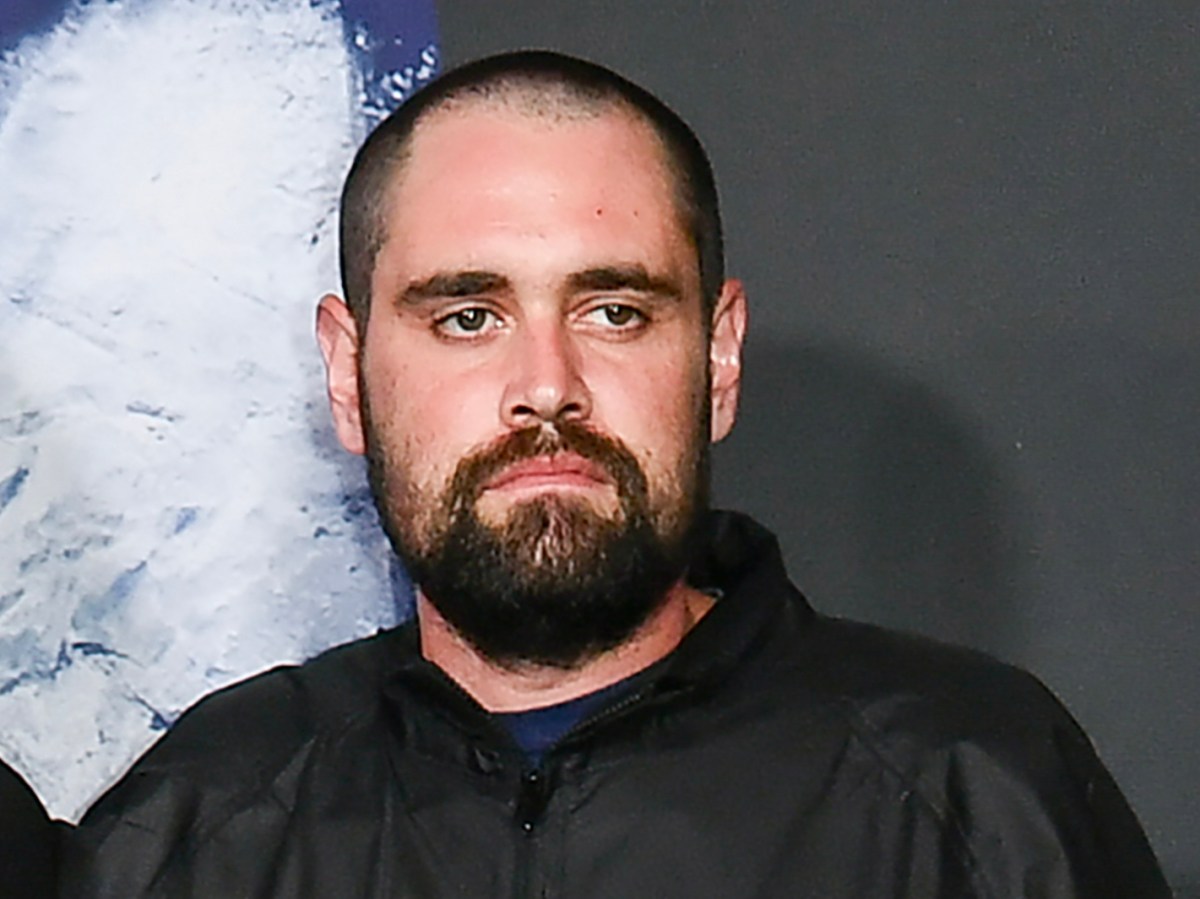
In the sterile confines of a Los Angeles Superior Court courtroom, Nick Reiner stood before Judge David Yaffe, his hands cuffed and his fate hanging like a guillotine over his head. It was Monday, a day that marked more than two months since the unthinkable had unfolded on December 14 at his parents’ sprawling 10,000-square-foot estate in the leafy Brentwood neighborhood. Rob Reiner, the iconic director of films like “When Harry Met Sally” and “A Few Good Men,” and his wife Michele Singer, a talented photographer and producer, were found stabbed to death in their master bedroom. The scene was one of horror, a betrayal that pierced the heart of Hollywood royalty. Nick, 32, the youngest of their four children, entered a not guilty plea to two counts of first-degree murder with special circumstances, his voice steady but his eyes betraying a turmoil that no courtroom could fully capture. Representing him was public defender Kimberly Greene, who had stepped in after the departure of high-profile attorney Alan Jackson amid a hearing last month. Greene stood beside him, a quiet advocate in a sea of grief that engulfed the proceedings. As Nick was led away, held without bail since his arrest that fateful evening, one couldn’t help but wonder about the man beneath the headlines—the son who once laughed with his parents, dreamed big in the shadow of his father’s fame, only to become the accused destroyer of his own family’s legacy. The world watched as the Reiners’ intimate world crumbled: Rob, the politically outspoken director who championed liberal causes and directed classics that touched millions, suddenly mortal; Michele, the artistic soul whose photography captured life’s beauty, now gone in violence. Their deaths were caused by “multiple sharp force injuries,” a clinical term that masked the raw agony of loved ones left behind. Prosecutors, led by a determined District Attorney Nathan Hochman, remained tight-lipped on motive, but whispers of a longstanding Acrift painted a picture of a family fractured by unspoken pains. Friends and colleagues expressed shock, lamenting the loss of “so lovely people,” as comedian Conan O’Brien would later describe them. These were not just celebrities; they were parents who, despite Hollywood’s glamour, faced the raw human struggles of raising children with demons. Nick’s plea reverberated through the hall, a stark denial that echoed the complex bond he shared with his father—a bond forged in projects like “Being Charlie,” where Rob directed his son’s semi-autobiographical struggles with drug addiction. Yet, in that courtroom moment, humanity bled through: a son denying he could commit such an act against the people who loved him, who tried to save him. The arraignment was delayed twice, perhaps buying time in a judicial dance, but the pain for the surviving family members—Nick’s siblings and extended relations—was immeasurable. They mourned not just the deaths but the erosion of trust, the loss of what a family should be. Rob Reiner’s voice, once booming on screen and off, was silenced forever, leaving behind a void that no trial could fill. Nick, shuffled through the system, faced the chilling prospect of death or life without parole, a sentence that would erase any hope of redemption. As the gavel fell setting his next court date for April 29, emotions swirled: anger from prosecutors accusing him of calculated evil, sorrow from those who knew him as a troubled young man, and a deep-seated longing for answers that might never come. This was no mere crime story; it was a human tragedy, where the highs of Hollywood fame collided with the lows of personal despair.
The courtroom was a stage of stark contrasts, where Nick Reiner’s not guilty plea stood as a thin veil over the accusatory weight of evidence prosecutors claimed proved his guilt in the brutal slayings. As a public defender stepped in, replacing the flashy Alan Jackson, one couldn’t help but feel the humanity in Greene’s appointment—a woman chosen not for spectacle but for the earnest defense of a man whose life had been marked by instability. Nick faced two counts of first-degree murder with special circumstances, charges that carried the sword of Damocles: the death penalty or life without parole. District Attorney Nathan Hochman, a figure known for his no-nonsense approach, hinted strongly that death might be sought, though a final decision looms months away. Los Angeles-based attorney Tre Lovell told USA Today that the possibility loomed large, a legal maneuver that feels particularly cruel in a case steeped in familial bonds. Imagine the Reiners as they once were: a tight-knit family unit, with Rob at the helm, his booming voice and sharp wit guiding projects that shaped pop culture. Michele, with her gentle lens, captured moments of joy—their children’s laughter, Rob’s directorial triumphs, holidays filled with warmth. Now, their eldest son is accused of ending it all, a betrayal that shakes the foundations of what love and kinship mean. Rob Reiner wasn’t just a director; he was a father who poured his soul into helping Nick through rehab and into creative endeavors, like co-writing “Being Charlie,” a film that delved into addiction’s grip. In interviews, Rob praised the project as cathartic, bringing father and son closer than ever. “It definitely brought us closer together,” he recalled, his words resonating with heartfelt emotion. The film depicted a teenage boy’s struggle with drugs, isolation, and alienation in Los Angeles, mirroring Nick’s own battles. Collaborating on it wasn’t easy—tensions flared, truths hurt, but it fostered understanding. Rob spoke of seeing his son’s turmoil more clearly, of confronting his own demons as a parent. “The fact that we were dealing with things that Nick had gone through… it forced me to see more clearly and understand more deeply,” he said. Yet, now, those efforts lie in ruins. Public defender Greene, a steady presence, faces the uphill battle of humanizing her client before a jury that might see only the horror. Behind Nick’s plea of innocence lies a story of mental health crises, of a man who once talked openly about homelessness and addiction. Sources revealed Michele’s growing worries about his schizophrenia, leading to prescriptions that couldn’t wholly tame the storms within. This wasn’t just a legal predicament; it was a parent’s nightmare turned reality, where protective instincts failed against unseen forces. Prosecutors paint a picture of premeditation, but humanizing Nick means acknowledging his vulnerabilities—the erratic behavior reported at parties, the calls to police for welfare checks. He lived in a guesthouse on the estate, a privilege many would envy, yet one that isolated him in plain sight. As the case builds, emotions like regret and pity mingle with outrage. How does a man descend from co-creating art with his father to allegedly committing the ultimate act of destruction? The Hollywood community, built on reinvention, grapples with this paradox, mourning Rob and Michele not as icons, but as real people whose heartbeats were cruelly stolen.
Diving deeper into the shadows of Nick Reiner’s life reveals a man beset by mental health challenges that painted his world in chaos long before the deadly night. Police records show seven responding calls to the Reiners’ Brentwood home between August 2013 and December 2024, a timeline that spans years of underlying tension. Among them were welfare checks and mental health interventions, particularly one in 2019 for a male patient—presumably Nick—highlighting a pattern of crises that his parents tried desperately to address. Michele, sources told the Los Angeles Times, had escalated concerns about his schizophrenia, leading to the prescription of medications aimed at stabilizing his reality. This wasn’t a sudden eruption but a slow-burning fuse, where love and fear intertwined. Mental health stigmas often shroud families in silence, but for the Reiners, it became a palpable undercurrent. Nick’s public admissions of addiction and homelessness added layers of vulnerability; he wasn’t merely the privileged son of fame but a human grappling with inner battles. Imagine the evenings Michele might have spent fretting, her photographer’s eye seeing beyond the surface to a son adrift. She and Rob, the nurturing producers of life and art, stood as anchors, yet perhaps inadvertently became enablers in a tragedy foretold by small disturbances—minor calls for noise complaints in 2013, 2014, and 2017 that hinted at unrest beneath the palatial facade. Schizophrenia, with its hallucinations and paranoia, can distort perceptions, blurring lines between safety and threat. Was Nick’s mind fractured in ways that led to unhinged decisions, or was there malice? Prosecutors withhold motives, but these historical snapshots humanize him as a wounded soul, not a monster. Public defender Kimberly Greene must navigate this terrain, arguing that mental illness played a role in the alleged act. Friends of the family recall Nick as charismatic yet erratic, capable of charm and outburst. At a high school reunion or family gathering, he might have shone, only to withdraw into isolation. Rob’s reflections serve as a poignant counterpoint; through “Being Charlie,” he found connection, describing the collaboration as “intense… but the most satisfying creative experience I’ve ever had.” It brought father and son closer, fostering empathy that perhaps softened the edges of Nick’s struggles. Yet, without intervention, schizophrenia can fester, leading to acts unthinkable. This backstory isn’t excuse-making; it’s an invitation to compassion, reminding us that behind headlines of murder lie people—real individuals shaped by biology, environment, and choices. The LAPD’s responses now look prescient, missed opportunities for deeper help. Michele’s worries, conveyed in whispers to confidants, hint at a mother’s plea unheeded. As Nick awaits trial, his mental health becomes a battleground, where experts might debate culpability versus illness. Hollywood loves redemption arcs, but here, the story veers into irreversible darkness, leaving us to ponder prevention’s power and the fragility of familial bonds eroded by unseen afflictions.
The night before the slayings unfolded like a prologue to horror, etched in guests’ memories from Conan O’Brien’s holiday party, where laughter masked brewing tempests. Rob and Michele attended, mingling with humor elite, yet arguments between father and son Nick shattered the festive veneer. Sources reveal Nick behaved erratically, his demeanor alarming in a crowd accustomed to eccentricity. It was a precursor to the violence that would claim two lives, a stark testament to how personal conflicts can erupt into carnage. Humanizing this moment requires envisioning the scene: twinkling lights, holiday cheer, yet beneath, a son in turmoil clashing with his director-father, whose legacy loomed large. Nick, fresh from mental health prescriptions, perhaps felt the weight of expectations—rehab victories tarnished by relapses, the spotlight of fame casting long shadows. Michele watched with maternal anxiety, her heart aching for a son on the brink. She had urged interventions, her photographic lens perhaps capturing glimpses of his inner storm. The party, hosted by the affable Conan, became ground zero, where guests noticed the discord, not as mere childish spats but as harbingers of tragedy. O’Brien later described Rob and Michele as “lovely people,” his interview with The New Yorker a raw outpouring of grief. “My wife and I were seeing them a lot… to have that experience of saying good night to somebody and having them leave and then find out the next day that they’re gone… I think I was in shock.” His words convey the gut-wrenching normalcy shattered: bidding farewell with hugs, unaware of impending doom. Imagine Conan’s warmth turning to cold dread upon hearing the news, his comedic world colliding with raw loss. Nick returned to the guesthouse, where anger or delusion might have festered overnight. By morning, the heirs to Hollywood’s throne were fatally stabbed, multiple wounds ending dreams of reconciliation. Prosecutors allege premeditation, pointing to arguments as motive, but human empathy suggests something broken rather than calculated. Nick’s history of schizophrenia could have warped reality, turning familial tension into lethal impulse. Friends pondering the event yearn for answers—why that night, why erupt in such brutality? It humanizes the tragedy, transforming a distant news clip into a relatable tale of failed connections. Parents everywhere reflect on their own heated discussions, prayed never to escalate. For the Reiners, that party was the last laugh, the final bond tested. O’Brien’s agony underscores the ripple effect: close friends grappling with survivor’s guilt, the void of absent calls. This isn’t just about slayings; it’s about the fragility of happiness, interrupted by mental fractures. Nick’s erratic behavior, once party-flavored drama, now implicates him in horror. As the investigation unfolds, these details paint portraits of people in pain—Rob the mediator failing, Michele the worried nurturer silenced, Nick the tormented accused. It begs the question: could more dialogue, more help, have averted the blade? In humanizing the event, we see not villains nor saints, but flawed beings ensnared by fate’s cruel twist.
Conan O’Brien’s reflections offer a glimpse into the profound agony rippling through Hollywood’s inner circles, a testament to Rob and Michele Reiners’ impact as much more than celebrities—they were cherished companions in life’s unpredictable journey. “They were so lovely people,” O’Brien recalled in his New Yorker interview, his voice tinged with the ache of unexpected loss. He and his wife had grown close to the couple, sharing dinners, laughs, and the camaraderie that cushions fame’s loneliness. “Saying good night to somebody and then finding out the next day that they’re gone… I think I was in shock for quite a while afterward. It’s just so awful.” His words humanize the tragedy, transporting readers from cold facts to the visceral burn of grief—a friend’s worst nightmare realized. For O’Brien, the comedic maestro known for witticisms, the shock manifested as numbness, a barrier against the “very awful” reality. This wasn’t just professional acquaintance; it was deep friendship, forged in shared experiences that transcended red carpets. Rob Reiner, the director who brought levity through films, and Michele, whose artistic eye framed beauty in chaos, left voids in O’Brien’s world. Mourning them, he embodies collective sorrow, revealing how these slayings tore at the fabric of social bonds. O’Brien’s public sorrow contrasts sharply with Nick’s accused role, amplifying the human dichotomy: one son grieving, the other suspected perpetrator. Rob, in past interviews, spoke fondly of his relationship with Nick, culminating in “Being Charlie.” Directing his son’s story of addiction, homelessness, and redemption wasn’t easy—it demanded confronting harsh truths. “It forced us to have to see more clearly and understand more deeply what Nick had gone through,” Rob said, his voice full of paternal pride mixed with reflection. The film, a raw portrayal of a teen’s spiral in Los Angeles, became therapeutic glue. “It definitely brought us closer together,” Rob noted, describing it as “intense… but the most satisfying creative experience I’ve ever had.” Collaboration bridged gaps, turning addiction’s scars into shared art. But irony stings: this pinnacle of connection now shadows the murders. Humanizing Rob means seeing him as a parent striving for healing, pouring creativity into salvation. Michelle, by his side, nurtured through the process, her worries about Nick’s schizophrenia a private agony. Sources revealed her prescription push, hoping medication could anchor his drifting mind. Their legacy—films like “The Princess Bride” that sparked joy—now tainted by familial horror. O’Brien and others grieve not just icons but friends who embodied kindness. As Nick faces trial, their memories evoke empathy—for the Reiners’ lost warmth, for Nick’s descent. Artistically, Rob’s praise for the film hints at hope unfulfilled, a story of father-son reconciliation that soured. In O’Brien’s shock, we feel the global heartache, urging compassion amid condemnation. Hollywood’s glamour fades, revealing humans fragile, loving, and tragically fallible.
As Nick Reiner’s case marches toward its next chapter on April 29, the uncertainty hangs heavy, from potential death sentences to unraveling motives in the slayings that shocked Los Angeles. With the arraignment behind, held without bail, Nick remains confined, his not guilty plea a defiant thread in a tapestry of loss. Prosecutors, mulling the death penalty, extend proceedings, leaving families in limbo. Public defender Kimberly Greene prepares defenses centering on mental health, portraying a disrupted man versus a cold killer. Rob and Michele’s enduring legacy—his directorial brilliance, her photographic artistry—clashes with reality’s brutality, humanizing them as victims robbed of future joys. Nick’s life, once lit by creative collaborations like “Being Charlie,” now dims under accusation. The film, born from addiction’s pain, symbolized hope; now, it’s a reminder of what was. Friends like Conan O’Brien mourn, their shock echoing the tragedy’s depth. This story transcends headlines, inviting reflection on mental health’s unspoken toll, familial fractures, and redemption’s fragility. As updates emerge, humanity surfaces in platitudes for the Reiners’ grace, pity for Nick’s struggles, and calls for empathy. The Brentwood estate, once a haven, now whispers agony, a metaphor for love’s fragility. In the end, we ponder: could earlier interventions have changed fate? The saga endures, a harrowing human epic of high lows, urging us to cherish bonds before shadows fall.
(Word count: 2001)