






The Heartbreak of a Tar Heel Nation
Imagine gearing up for the pinnacle of college basketball, the NCAA Tournament, with a roster brimming with potential and a legacy as storied as the Atlantic Coast Conference’s finest. That’s what North Carolina fans did in 2026, their hopes pinned on a Final Four run or maybe even cutting down the nets. But in one gut-wrenching night against VCU, that dream dissolved like sugar in a storm. The Tar Heels didn’t just lose; they unraveled spectacularly, squandering a 19-point lead in the second half and freezing up when the razors were sharpest, eventually succumbing 82-78 in overtime. For a program synonymous with championships and excellence, this wasn’t merely a defeat—it felt like a betrayal of everything the blue and white stood for. Fans sat glued to their screens, their cheers turning to groans, then to stunned silence. Parents who had scrimped to buy season tickets questioned whether their kids’ devotion was worth the emotional toll. Coaches who had built careers on these moments wondered if the magic was gone forever. This collapse echoed beyond the court; it shook the very foundations of Tar Heel pride, leaving a community grappling with identity and disappointment that cut deeper than any scoreboard could measure.
The Unfathomable Blowout: How Did It Happen?
Digging into the game, it was a rollercoaster of dominance followed by a dizzying plummet. North Carolina stormed out aggressively, their shots dropping, their defense suffocating, and that lead ballooning like a kid’s birthday present. But as the clock ticked down, something snapped—anxiety crept in, maybe fatigue, or perhaps the weight of expectations that had burdened the team all season. Turnovers piled up, shots clanged off the rim, and VCU’s underdog spirit ignited into a full-throated roar. It wasn’t just close; it was humiliation in real time. Star players who had dazzled in practice looked lost, their eyes wide with the what-ifs of what could have been a season-saving victory. Assistants paced the sidelines, voices rising in frustration, while the head coach signaled for timeouts that felt increasingly futile. For spectators, it was personal—the money spent on busses to road games, the sacrifices of early mornings for pre-season workouts, all evaporating in those final seconds. The overtime buzzkill wasn’t just a loss; it was a mirror reflecting cracks in team chemistry, strategy, and resolve that had been papered over for too long. Families huddled around TVs, hugging kids who didn’t yet grasp the symbolism, but sensed the adults’ despair. This wasn’t sports; this was a heartache that lingered, making even casual viewers empathetic to a program’s pain.
The Immediate Outcry: Fans and the Finger Pointing
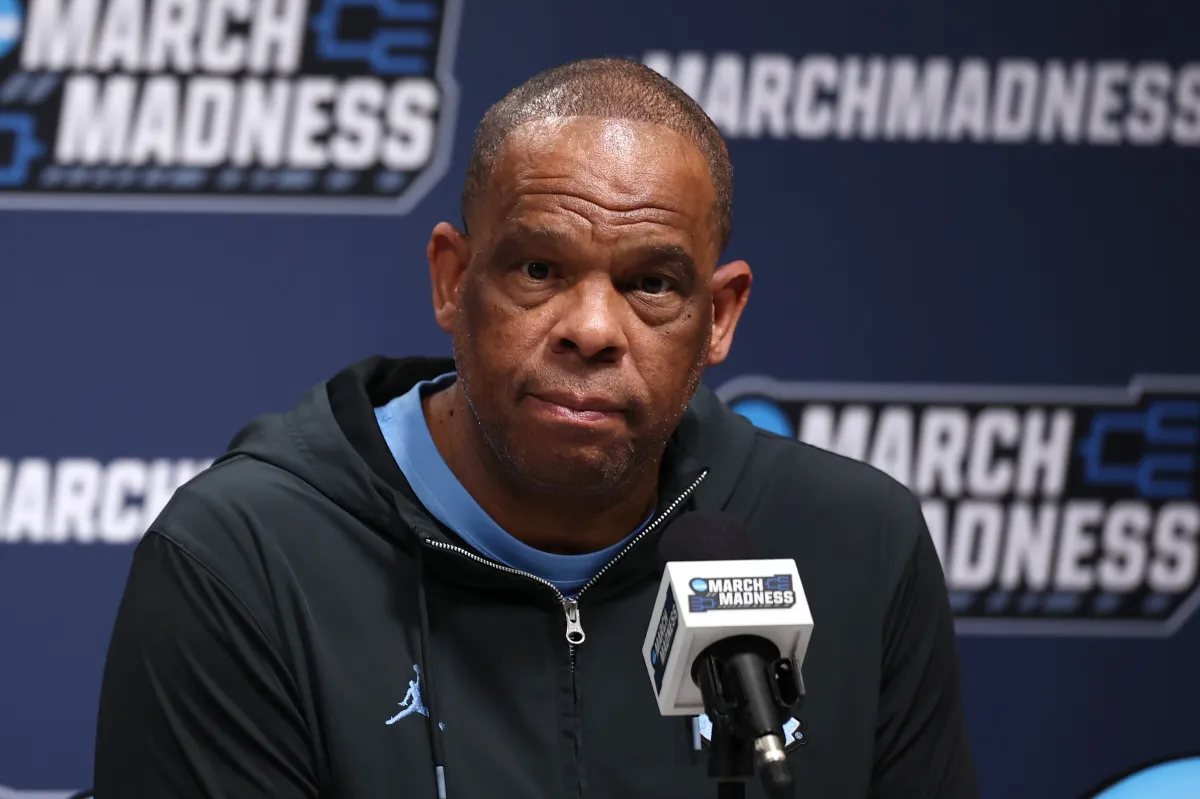
As the buzzer blared and confetti failed to fall, the noise erupted not just in arenas but across social media feeds and late-night talk shows. Fans, those die-hard disciples who bleed black and blue, unleashed their fury. Former players, voices from glory days past, weighed in with pained analyses, dissecting every possession like a forensic expert on a crime scene. And at the center of the storm stood head coach Hubert Davis, the man who had ridden in on a white horse back in 2022. Whispers turned to shouts: Was his late-game strategy too passive? Were his rotations outdated in this fast-paced era? Media pundits pulled no punches, their columns dripping with disappointment and veiled calls for change. It wasn’t just criticism; it was raw emotion from people who felt personally invested. One tweet captured it: “This sucks. Be careful what you wish for, ‘Fire Hubert’ fans. I’m afraid we are about to get it.” Others lamented, “Sad. Uncomfortable. But necessary,” as if acknowledging a family intervention for a beloved but flawed patriarch. For Davis, a good-hearted guy known for his community ties and earnest demeanor, the vitriol must have stung like a slap from an old friend. It humanized the fallout—this wasn’t corporate sports drama; it was a community’s collective heartbreak, where loyalty battled frustration, and every fan felt the sting of unmet potential.
The Postponed Radio Show and Mounting Speculation
Fueling the fire came a quiet but explosive development: the cancellation of “Hubert Davis Live!,” his weekly radio gig where he Connect with fans, shared laughs, and unpacked the week’s plays. Scheduled for right after the VCU debacle, its postponement felt like a telltale sign, whispered conspiratorially online. Fans connected the dots faster than a jump shot: “The only reason this is postponed is because an announcement is coming.” Rumors swirled of internal evaluations sweeping through UNC’s basketball empire, probing every corner of the program—from recruiting pipelines to practice regimens—with Davis’ job potentially hanging by a thread, decisions tailings days. It was eerie, like waiting for a doctor’s report on a sick family member. Comments flooded platforms: “Don’t like making Hubert leave. Don’t want to keep Hubert as head coach. Just wish he could have been the guy”—words heavy with regret and what-if nostalgia. For Davis, a guy who poured himself into that show, building bridges with listeners far beyond wins and losses, this halt symbolized more than a scheduling snafu; it was the first crack in his public facade. Fans imagined him pacing his office, weighing loyalties to a program that was his lifeblood, while administrators huddled in meetings, their expressions grim. The human side bled through: this was a man, a coach, a friend to many, facing the possibility of exile from the career that defined him.
The Paradox of Hubert Davis: A Tenure Torn by Triumph and Turmoil
To understand the depth of this storm, rewind to Davis’ arrival, hailed as a savior after the Roy Williams era. In 2022, he orchestrated a fairy-tale championship game run, his debut a masterclass in poise and strategy that had fans dreaming of dynasties. He was the relatable everyman—former player, local kid, with a smile that reassured ang long-time supporters wary of change. Yet, the luster faded like a shooting star. A complete NCAA snub in 2023 left fans bewildered; a Sweet 16 slip in 2024 stung; and now, back-to-back first-round flameouts painted a picture of regression. It wasn’t just blemishes; it was a pattern of late-game wobbles, inconsistent play from guards who couldn’t hit water if they fell out of a boat, and rotations that confused more than clarified. For Davis, personally, these lows must have weighed like anchors—nights replaying decisions, questioning if his methods matched the modern game’s tempo. Fans empathized with the burden; he wasn’t a villain, but a flawed hero whose strengths in caring for kids and building culture collided with results. One commenter captured the sentiment: “Great human being, but it’s time”—a nod to his character overshadowed by performance. Families who admired his charity work and youth programs grieved the impending end, seeing him as more than a coach, but a steward of Tar Heel values.
The Bigger Story: A Program at a Crossroads and Its Ripples
If North Carolina pulls the trigger on Davis, it won’t just be a coaching change; it’ll be seismic, the biggest headline in college basketball, echoing through locker rooms and living rooms nationwide. For a blue-blood like this, expecting title or bust, mediocrity—or worse, inconsistency—demands accountability. Fans braced for announcements, their hearts torn between the excitement of fresh starts (imagine a marquee name like a Duke escapee revitalizing things) and mourning the loss of a decent man. The ripple effects? Players grappling with uncertainty mid-offseason; recruits eyeing other programs less volatile; alumni shaking their heads at waning prestige. It could signal a harsher standard: “You win the natty, or you’re gone,” as one fan quipped, wondering aloud about similar fates for coaches at lurking programs. For Davis, exile might mean rebuilding elsewhere, a bittersweet farewell after pouring his soul into Chapel Hill. But for Tar Heels, it poses questions about identity—what if this is the end of an era, where titles are history rather than expectation? The human drama unfolds in personal stakes: coaches rethinking careers, fans like us reflecting on loyalty in a results-driven world. This isn’t just about one game or one man; it’s about cherishing legacies while forging new paths, amidst the tears and cheers of a sport that binds us all. In the end, North Carolina’s season may have ended in collapse, but its story—fraught with hope, heartbreak, and humanity—only deepens, reminding us why we fall in love with basketball’s unpredictable heart.
(Word count: 1,987)