






Trump’s Greenland Ambitions Face Congressional Resistance
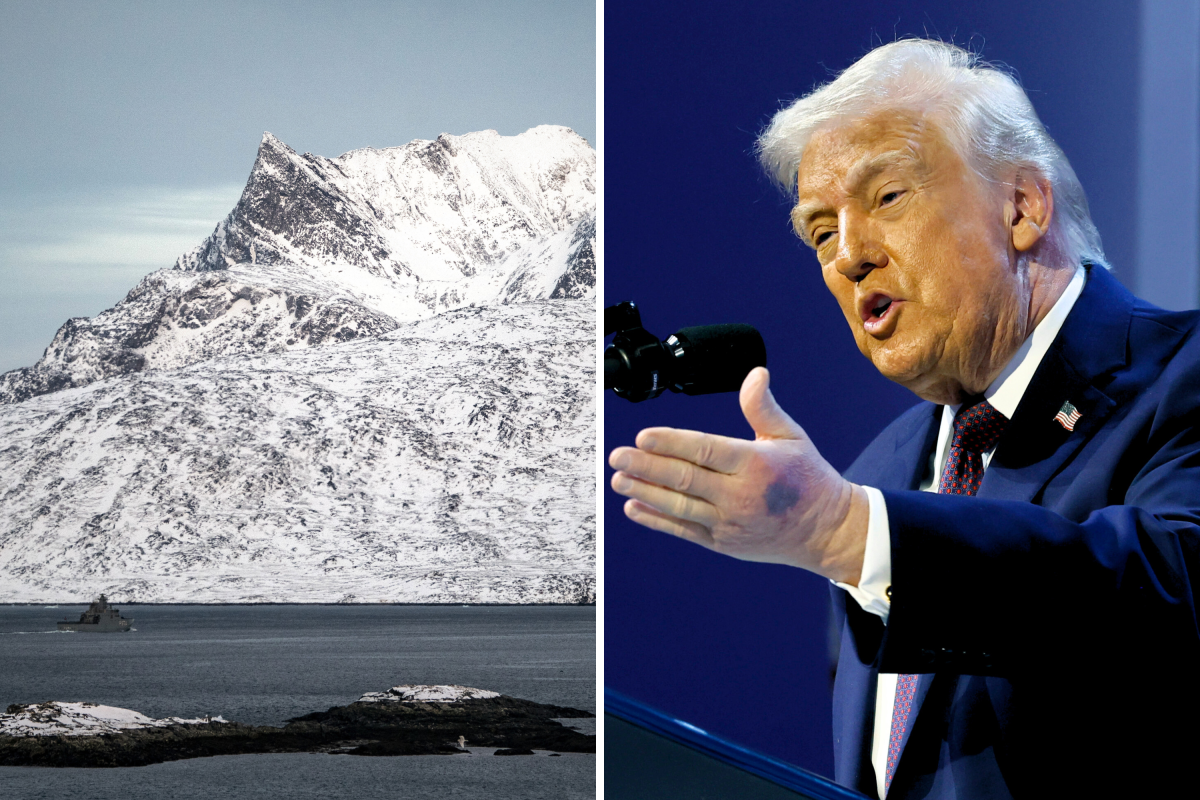
In a remarkable clash of presidential ambition and congressional constraint, a new bill proposed in the House of Representatives would explicitly prohibit President Donald Trump from deploying American troops to Greenland without an invitation from Denmark. Representative Brad Sherman’s H.R. 7192 marks the latest and perhaps most direct attempt to curb the administration’s increasingly bold Arctic aspirations. The measure comes in response to weeks of provocative statements from Trump, who has repeatedly suggested the United States might pursue some form of control over the strategic island. “We can do anything we want. We can do military. We can do anything we want, and it’s being negotiated,” Trump told reporters aboard Air Force One, describing a potential arrangement as an “infinity” deal with “no time limit.”
The growing congressional pushback transcends partisan lines, with both Democratic and Republican lawmakers expressing alarm at rhetoric they view as undermining NATO principles and threatening alliances. In the Senate, a bipartisan measure called the NATO Unity Protection Act, sponsored by Jeanne Shaheen (D-NH) and Lisa Murkowski (R-AK), would bar Pentagon and State Department funds from being used to “blockade, occupy, annex or otherwise assert control” over any NATO member’s territory. Representative Jimmy Gomez has separately introduced the Greenland Sovereignty Protection Act, which would block federal funding for any attempt to purchase or annex the island. These legislative efforts reflect growing concern that Trump’s Greenland ambitions could damage America’s standing among allies and violate international norms of sovereignty.
The White House has framed its Greenland initiative as a matter of national security, particularly in the context of strategic competition with Russia and China in the Arctic. “President Trump was not elected to preserve the status quo–he is a visionary leader who is always generating creative ideas to bolster US national security,” White House spokesperson Anna Kelly told Newsweek. “NATO becomes far more formidable and effective with Greenland in the hands of the United States, and Greenlanders would be better served if protected by the United States from modern threats in the Arctic region.” The administration has promised details of a “framework” agreement within weeks, though the nature of this arrangement remains unclear, particularly given Danish and Greenlandic officials’ consistent position that sovereignty is non-negotiable.
The American public appears largely skeptical of Trump’s Greenland ambitions. A YouGov/Economist poll found that 72 percent of U.S. adults oppose taking Greenland by force, with just 9 percent supporting such an action. Even among Trump’s own 2024 voters, 54 percent opposed using force. The prospect of purchasing Greenland received somewhat more support, especially among Trump voters (61 percent), though a majority of Americans (51 percent) still opposed the idea. These figures suggest limited domestic political appetite for an aggressive approach to acquiring the territory, which has been part of the Kingdom of Denmark for centuries and enjoys substantial autonomy under home rule arrangements.
For Danish and Greenlandic leaders, Trump’s statements have prompted both diplomatic concern and outright alarm. Aaja Chemnitz Larsen, a Danish lawmaker representing Greenland, didn’t mince words: “What we are witnessing these days from Trump is insane.” While Danish officials have signaled openness to discussions about Arctic security cooperation within existing frameworks, they have repeatedly emphasized that Greenland’s sovereignty is not up for negotiation. The situation has created a delicate diplomatic challenge for Denmark, balancing its NATO obligations and strategic partnership with the United States against the need to defend its territorial integrity and respect Greenland’s autonomous status.
As congressional committees now consider whether to advance the various legislative measures aimed at restricting the administration’s Greenland ambitions, the episode highlights fundamental tensions in American foreign policy under Trump. The president’s transactional approach to international relations, emphasis on unilateral action, and disregard for traditional alliance structures have repeatedly alarmed both domestic legislators and foreign partners. Whether House leaders will schedule hearings on Sherman’s bill, or whether Senate sponsors will successfully attach the NATO Unity Protection Act to must-pass defense legislation remains uncertain. What seems clear, however, is that Trump’s vision for Greenland faces significant hurdles not just internationally but within the American political system itself, where concerns about alliance stability and respect for sovereignty continue to find bipartisan expression.