


The Thrill of March Madness Unveiled: Day One’s Drama and Surprises
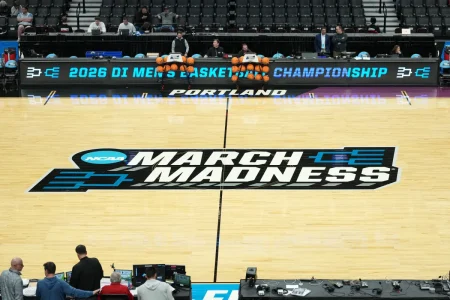
March Madness is back, and like a roaring thunderclap that signals spring after a long winter of anticipation, the NCAA Tournament exploded onto our screens on Day 1 with a symphony of basketball brilliance, heartbreaks, and those unforgettable moments that keep us glued to the couch or the barstool. Picture this: under bright arena lights, dreams clashing like waves against a rocky shore, where underdogs dared to growl and giants occasionally stumbled. There were nail-biting finishes where every buzzer-beater felt like a personal victory for the fans, a few Cinderella upsets that whispered “anything’s possible,” and, of course, the blowouts that served as stark reminders of just how wide the talent chasm can be in college hoops. One such lopsided affair stood out like a neon sign on a foggy night: the No. 13 Troy Titans, full of youthful energy and fighting spirit, crumbled 76-47 against the No. 4 Nebraska Cornhuskers. It wasn’t just a loss; it was a rout that echoed the Titans’ struggles, leaving their loyal supporters—in the stands and online—with a mix of disappointment and déjà vu. You could almost feel the collective sigh from their fanbase, wondering if this was another chapter in Troy’s quest for basketball glory or just another setback in a sport that’s all about redemption arcs. The Cornhuskers, meanwhile, strutted off the court with that swagger of a team that’s hitting its stride, their confidence bolstered by crisp passes, booming dunks, and a defense that smothered Troy’s hopes before they could bloom. Yet, amidst the scoreboard dominance, there was humanity in the game—the way Nebraska players high-fived each other, not with arrogant glee, but with genuine camaraderie, while Troy’s squad showed resilience, scraping for points even as the deficit grew. This opening round isn’t just about wins and losses; it’s about people, stories, and the raw emotion that makes basketball more than a game—it’s a mirror to our own lives, reflecting joy, frustration, and the endless drive to come back stronger. Fans across the nation were tuning in, from college towns to city apartments, sharing tweets and texts about their favorite teams, turning isolated viewings into communal celebrations or commiserations. And just like that, Day 1 set the stage for what we all know: Madness is unpredictable, exhilarating, and utterly addictive.
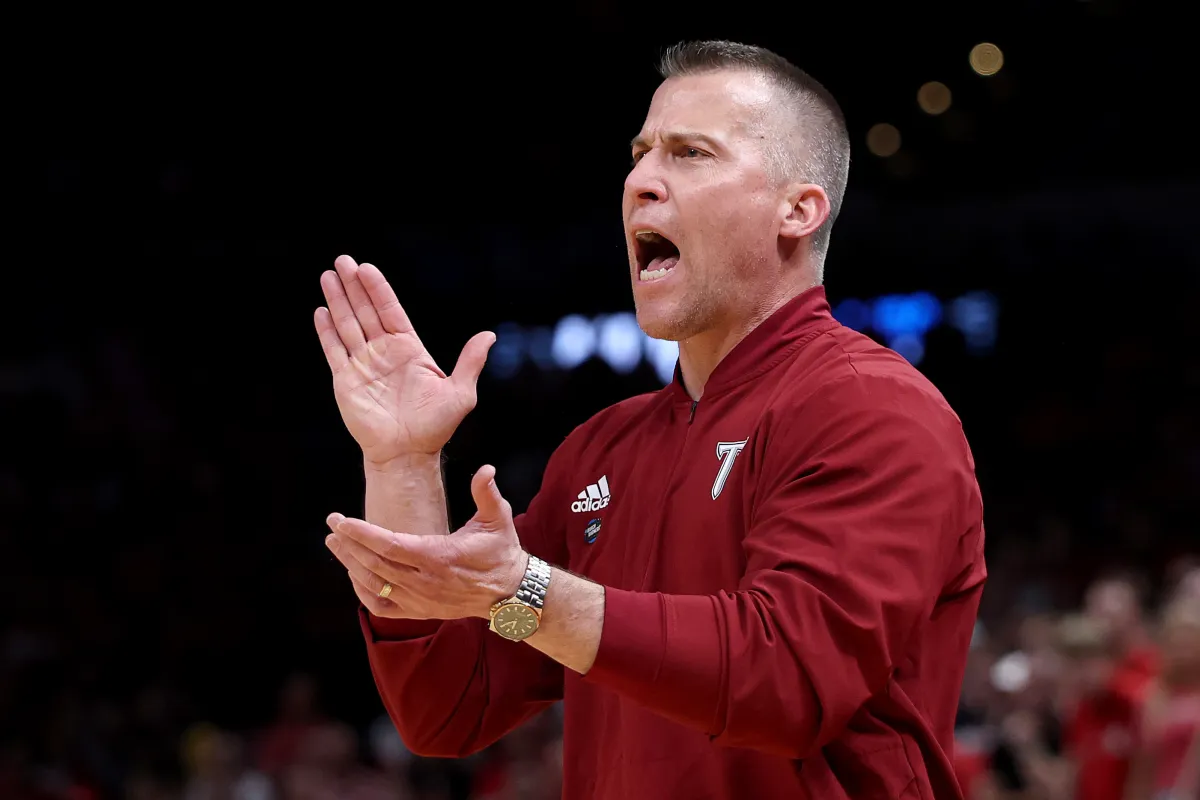
As the final buzzer sounded in that Nebraska blowout, the real seismic shift happened off the court for Troy, where the sting of defeat wasn’t just about this game, but about the uncertain future looming like a dark cloud. The Titans will now embark on a search for a new head coach to steer their ship through choppy waters, a task that’s both daunting and exciting for a program hungry for stability. It’s a familiar tale in college sports: coaches come and go, often with the pull of bigger opportunities, leaving behind legacies etched in wins, losses, and the hearts of those they’ve mentored. Scott Cross, who had been at the helm for Troy, embodied that mix of grit and strategy that turned potential into progress, yet his departure feels like a plot twist in a gripping novel. Imagine the players, some of whom have built their college identities under him, grappling with this change—will they rally like a family in flux, or scatter like leaves in the wind? For Cross himself, this isn’t just a job loss; it’s leaving a home where he’s fostered growth, celebrated titles, and endured the lows that test a coach’s mettle. The fanbase, passionate and dedicated despite not always winning big, expresses a blend of gratitude and sorrow on social media, posting nostalgia-filled photos and messages like “Thanks Coach, you gave us hope.” Recruiting national programs will be watching, wondering how Troy navigates this transition to maintain momentum in the Sun Belt Conference. It’s a reminder that behind every statistic and strategy is a person with dreams, family ties, and ambitions that extend beyond the hardwood. The NCAA Tournament, in its way, amplifies these human elements, where a loss isn’t just a defeat, but a catalyst for new beginnings. As off-court drama unfolds, it adds layers to the on-court action, making the Madness more than a monopoly—it’s a tapestry woven with real-life threads of change and continuity.
Enter Pete Thamel of ESPN, the insider with the scoop, dropping bombshells like seasoned stories at a fireside chat. His report, shared across screens and feeds, revealed that Scott Cross is parting ways with Troy and is poised to shake hands on a deal to become the next head coach of the Georgia Tech Yellow Jackets—a move that’s about as surprising as a full-court press in overtime, yet makes perfect sense in the chess game of coaching hires. Picture the Yellow Jackets brass, invigorated after a disappointing streak, seeing Cross as the charismatic leader who can redefine their program, turning stagnation into synergy. Georgia Tech had axed Damon Stoudamire last year after three seasons of missing the NCAA Tournament, a decision that felt both necessary and bittersweet for fans who hoped for more from a program steeped in ACC tradition. Cross emerged from the contenders like a phoenix, his name buzzing in whispers among alumni and analysts, and Georgia Tech wasted no time in pursuing him, sensing urgency in their rebuild. It’s the kind of shift that stirs excitement—a fresh face bringing new energy, new ideas, to a storied school that once dazzled under luminaries like Buzz Peterson and Lenny Wilkens. Fans are buzzing online, debating if this is the spark they need, sharing memes of yellow jackets buzzing around Cross’s name. Yet, beneath the hype lies the natural anxiety of change: Will he mesh with the Atlanta vibe, where fierce rivalries with programs like Duke and North Carolina keep passions high? Georgia Tech’s administration, aiming for consistency in a league known for coaching carousel, views this as a strategic play, a blend of Cross’s pedigree and their resources paving the way for resurgence. This isn’t merely a transaction; it’s a story of ambition, where a coach’s journey mirrors the American dream—starting from humble beginnings to leading a powerhouse. As negotiations near finality, the anticipation builds, turning this pre-tournament chatter into a subplot that intertwines with the brackets, reminding us that March Madness is as much about the people behind the teams as the teams themselves.
Across his illustrious career, Scott Cross has carved out a reputation that’s as solid as a well-executed pick-and-roll, amassing 350 Division I wins over 19 seasons at UT Arlington and Troy—a feat that speaks volumes in an era where jobs come with short tenures and high stakes. Visualize him on the sidelines, a tactician with a calm demeanor, orchestrating plays that turn chaos into cohesion, earning back-to-back Sun Belt titles and consecutive NCAA Tournament bids with the Trojans in recent years. His style is a blend of old-school fundamentals and modern analytics, fostering development in players who go on to flourish in the pros or real-life pursuits. Colleagues and analysts praise his leadership, recalling coaching clinics where he shares wisdom with the humility of someone who’s earned his stripes through perseverance. For instance, his tenure at UT Arlington laid groundwork, transforming a mid-major into a contender, while at Troy, he navigated roster fluctuations with aplomb, emphasizing discipline and teamwork that built a culture of winners. Parents of former players send thank-yous, noting how Cross instilled respect and resilience, traits that extend beyond basketball. In interviews, he speaks of the sport’s beauty in unity, stories that humanize him beyond trophies—times when he’s celebrated with teams at restaurants, shared laughs during bus rides, or comforted players after heartbreaks. This track record isn’t just numbers; it’s narratives of growth, where underfunded programs rose to punch above their weight, challenging bigger schools and delighting local communities. As he steps into the ACC spotlight, fans of his former stops fondly reminisce, hoping the Yellow Jackets benefit from the magic he’s brought elsewhere. It’s a testament to the enduring impact coaches have, shaping not just games, but lives, turning aspirations into achievements that resonate long after the final whistle.
Now, Scott Cross faces the biggest challenge of his career: resurrecting Georgia Tech, a high-major ACC program that’s only punched its NCAA Tournament ticket once since 2010, under the guidance of Josh Pastner, in a run that’s become mythology rather than memory. Since then, the Yellow Jackets have churned through coaches like a revolving door, each hoping to break the drought but often leaving amid frustration and unmet expectations. Last season was particularly grim, with an 11-20 record and a soul-crushing 12-game skid to close it out, leaving players and fans drained and questioning their path forward. Cross, seasoned in rebuilding from the ground up—having turned Troy into a force—brings that battle-hardened ethos to Atlanta, where rivalries are heated and expectations sky-high. Imagine the task: assembling a roster that can compete with Duke heavyweights or Carolina sharpshooters, while fostering a winning culture in a city buzzing with energy but demanding excellence. Analysts speculate on his strategies, from youth development to recruiting battles that pit him against big-name programs offering million-dollar incentives to prospects. The stadium, Alexander Memorial Coliseum, echoes this challenge, a venue steeped in history yet craving modern success, where former standouts like Steph Curry and Luke Ridnour built legacies. Cross will need to navigate the ACC’s physicality, build bridges with alumni, and perhaps even change the program’s narrative from perennial underachiever to consistent contender. It’s a narrative fans are eager to rewrite, sharing dreams of Elite Eight runs on forums and social media. Behind the scenes, Cross’s family will adjust to the spotlight, balancing coaching demands with personal lives, adding a layer of relatability to his journey. In the end, this isn’t just about winning; it’s about restoring pride, creating camaraderie, and proving that with grit, even the most troubled programs can soar anew.
Finally, as the first round unfolds, the buzz around Scott Cross dovetails with other March Madness highlights, like Duke losing its coach right before tip-off, underscoring the volatility of college athletics where leadership shifts can alter dynasties in a heartbeat. There’s also the tale of a tournament star turning down a nine-million-dollar offer from a blue-blood program, choosing loyalty or intangibles over easy cash—a decision that sparks debates on priorities in modern sports. And for those who bet on the brackets, the content teases apps and promos for wagering March Madness games, a nod to fans mixing fandom with friendly wagers, though it’s wise to remember the randomness that keeps the tournament thrilling. All this weaves into the fabric of Day 1’s excitement, where Scott Cross’s move symbolizes rebirth amid the chaos, humanizing the game’s intricacies. As teams prepare for Round 2, we reflect on the people fueling the passion—coaches forging futures, players chasing legacies, fans living vicariously through every shot. March Madness isn’t just a tournament; it’s a celebration of human spirit, resilience, and the unscripted drama that makes it unforgettable.