





Paragraph 1: A River of Noise That Won’t Let Anyone Sleep
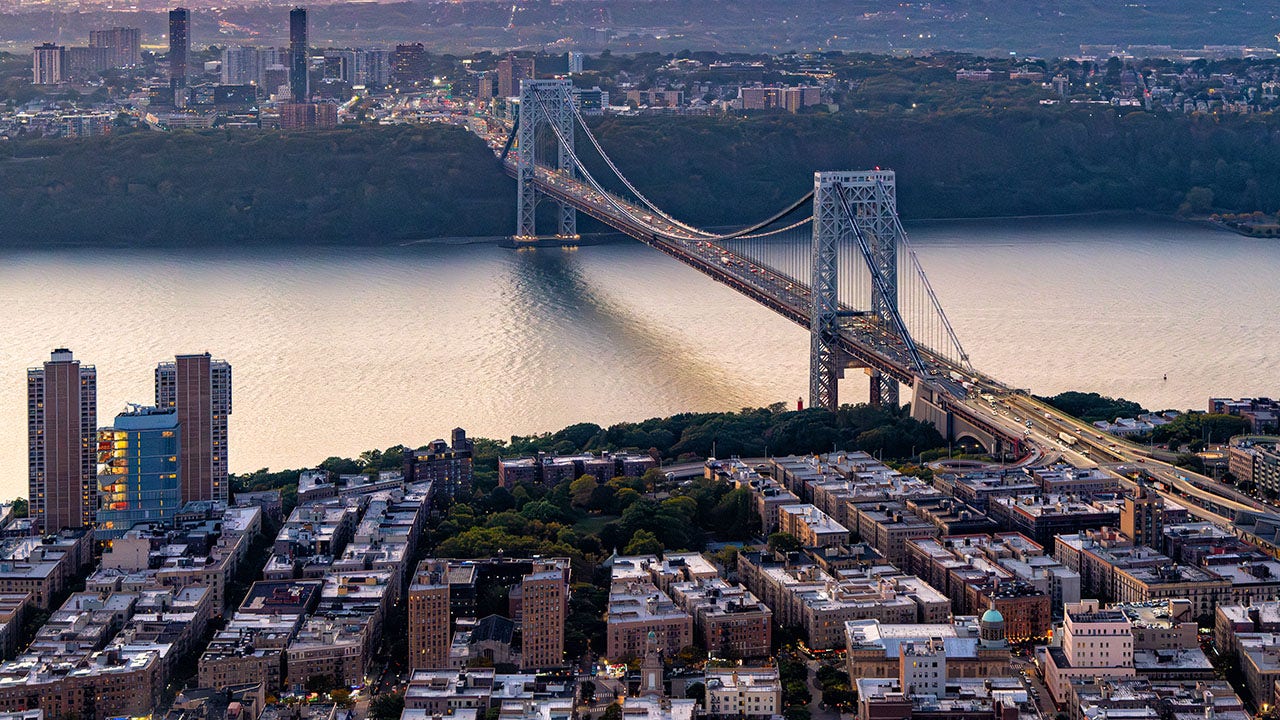
Imagine waking up in the dead of night, heart pounding, as if the ground itself is shaking from some unseen force. That’s the reality for folks living in the serene towns of Edgewater, Fort Lee, and Cliffside Park, New Jersey—quiet suburban havens just across the Hudson River from the bustling energy of Harlem in New York City. For these everyday people—families raising kids, retirees enjoying their golden years, and young professionals grabbing shut-eye before dawn—their peaceful homes have turned into battlegrounds against mysterious booms that rattle windows and disrupt dreams. It’s not just an occasional annoyance; it’s a cacophony that feels like an invasion from the other side of the water. We’re talking about late-night weekends, between 11:30 p.m. and 5 a.m., when the air fills with music so loud it’s like a nightclub has set up camp in their backyard. Joe, a longtime Edgewater resident who asked to share his story anonymously, told me over coffee one morning how it started out innocently enough last summer—but now, he’s losing sleep and his patience. “It’s thumping, vibrating everything in the room,” he said, rubbing his tired eyes. “We thought it was local at first, maybe someone with a massive sound system. But then neighbors started talking—it had to be coming from New York.” His wife agrees; they both lie awake, counting the beats, wondering if this is just the cost of living near the city that never sleeps. And they’re not alone; hundreds of complaints flooded in, turning what should be a charming riverside life into a nightmare of exhaustion and frustration.
Paragraph 2: The Crescendo of Complaints and the Fear It Inspires
The problem reached a fever pitch in February, hitting its loudest peak and sparking a wave of sleepless nights and rising fear. Edgewater police logged hundreds of reports, with residents describing the noise as everything from pounding bass to full-blown music blasts that echo long after dawn. It wasn’t just annoying—it instilled a sense of unease, making people question their safety and sanity. Maria, a mother of two in Cliffside Park, shared how her kids would wake up terrified, their little faces buried in pillows as the vibrations thrummed through the walls. “We moved here for the peace, the quiet views of the water,” she said, her voice cracking with emotion. “Now it’s like we’re trapped in some kind of horror movie.” Fort Lee locals chimed in similarly, noting how the sound was so intense it felt like it was right under their windows, not miles away. This wasn’t just noise; it was disrupting health, with people reporting headaches, anxiety, and even neighbors avoiding outdoor gatherings in the summer heat. The fear grew on social media, where groups like “Edgewater, NJ and Fort Lee, NJ and Cliffside Park, NJ” Facebook page buzzed with outrage. Posts piled up with desperate pleas: “How can we live like this?” and “Someone has to stop this madness.” It humanized the pain—folks sharing memes of twisted alarm clocks and jokes masking their real distress. By February’s end, the mysterious hum had become a community epidemic, highlighting how something as simple as music could shatter the fabric of everyday life for these hardworking people trying to get by.
Paragraph 3: Official Voices Join the Chorus, But Questions Linger
Edgewater Police Department stepped in, confirming what residents suspected: the noise originated from across the Hudson River, pinpointing Harlem as the likely culprit. They reached out to the NYPD, who noted that summers often brought party boats cruising with blaring music, causing similar gripes in the past. Mayor Michael J. McPartland of Edgewater, a no-nonsense guy who’s been serving the community for years, backed up the boat theory, telling us it’s a recurring issue. “Five, six, seven years ago, we talked to NYPD,” he recalled, his tone even but firm. “They usually work with us, but it keeps coming back.” He explained that waterfront condos take the hardest hit, with sound waves bouncing off the river like a relentless tide. Yet, McPartland admitted he hadn’t heard about the latest February surge, leaving residents scratching their heads. Was it just party boats, or something more persistent? The NYPD acknowledged occasional chartering vessels with booze cruises and loud tunes, but assured that in off-seasons, it should calm down. Still, for the people affected, these assurances felt hollow. Take Sarah, a retiree in Fort Lee, who said, “We’ve been polite, filed reports, but nothing changes. It’s like our concerns don’t cross the river.” This cross-state puzzle has turned locals into accidental investigators, turning to authorities who juggle two jurisdictions. It made me think: in a world where we value peace and quiet, why does it take hundreds of complaints to get a simple fix?
Paragraph 4: Social Media Fuels the Debate—Nightclub or Boats?
Fueling the fire, social media erupted with debates that pulled in armchair experts and frustrated locals alike. Many in those Facebook groups swore the source was a trendy Harlem nightclub with an outdoor lounge, its music swirling over the water like an unwanted serenade. They pointed to a place with skyline views, full of patrons dancing into the night. But here’s the twist: some sleuths dug deeper and found that the restaurant and club in question closed shop two years ago, leaving a cloud of confusion. “It’s not that place,” one skeptical poster retorted. “Maybe it’s live events or parks in Upper Manhattan letting parties run late.” Others insisted on party boats, their engines chugging with endless vibes. It became a digital soap opera—threads filled with audio clips, maps showing sound trajectories, and passionate arguments. One resident, Pete from Cliffside Park, posted: “That thumping? It’s like the bass is in my living room. We need answers!” It humanized the chaos; behind the screens were real people bonding over shared misery, sharing stories of rocking furniture and shattered relaxation. Yet, the anonymity of online rants only amplified the tension, turning a local nuisance into a border skirmish. Were these boats innocent escapades or deliberate disruptions? Or was a new hotspot hiding in Harlem’s shadows? The debate raged on, highlighting how technology connects us but also inflames divisions, especially when sound knows no state lines.
Paragraph 5: Experts Weigh In on Sound Science and Enforcement Nightmares
Stepping into this soundstorm are acoustical wizards like Bennett Brooks, president of Brooks Acoustics Corporation, whose Connecticut-based firm specializes in untangling noise puzzles. He broke it down for us: sound carries farther over water than through trees or fields, bouncing in unpredictable ways. “A moderate wind can scatter it or amplify it,” he explained, his voice steady like a professor decoding mysteries. But Brooks isn’t sold on Harlem as the sole villain; he thinks locals might be missing sources closer to home. He emphasized how cracking down gets tricky across states—two sets of laws, jurisdictions clashing, making enforcement a bureaucratic tango. Enter New York City’s noise code, a 2007 update aiming to balance nightlife with neighborhood sanity. The Department of Environmental Protection and NYPD police it, capping amplified music at 42 decibels indoors and keeping it just 7 decibels above ambient street noise from 10 p.m. to 7 a.m. Still, urban echoes make things hazy. “Background din in busy spots confuses everything,” Brooks noted. If Harlem proves guilty, it could mean inter-state negotiations or even lawsuits. Back to our residents—imagine trying to prove a case when the sound supervisor is an invisible river. For folks like unemployed Tom in Edgewater, who lost promotions due to fatigue, it’s maddening: “We pay taxes; we deserve quiet nights.” Experts humanize it by reminding us: this isn’t just physics; it’s about health, productivity, and the right to rest.
Paragraph 6: Seeking Peace Across the Waters and Lessons for Us All
As the mystery lingers, folks in these NJ towns are calling for real action—be it stricter patrols, bans, or tech fixes like noise monitors. Mayor McPartland hinted at revisiting NYPD talks, while social groups push for investigations. One idea: collaborative apps or hotlines to track incidents in real time. Broader lessons emerge too; how cities like NYC thrive on buzz but must protect sleep sanctuaries nearby. It’s a story of resilience—residents forming support networks, sharing tips like earplugs or white noise machines. But it’s also a plea for empathy: imagine the toll on elders waking alone after a lifetime’s work. In our connected world, boundaries blur; what happens in Harlem affects NJ profoundly. Experts suggest civil actions if needed, urging patience as wind and water play games. For now, the hum persists, a reminder that harmony requires listening—to complaints, codes, and each other. As Joe summed up: “We’re not anti-fun; we just want balance.” In a sprawling metropolis, such boundaries remind us: true vitality means respecting the peace we all crave. Moving forward, monitored nights and inter-state accords could quiet the racket, turning adversaries into neighbors again. Ultimately, this buzz teaches us to humanize our spaces—noise isn’t just a disturbance; it’s a cry for shared solutions in an ever-noisy world.