





Federal Immigration Enforcement Operation in Minneapolis Leads to Shooting and Controversy
In a tense escalation of immigration enforcement activities in Minneapolis, an ICE agent shot a Venezuelan man in the leg during a targeted operation on Wednesday evening, stirring further controversy in a city already grappling with the aftermath of a fatal ICE shooting earlier in January. The incident, captured in a distressing social media video showing the chaotic aftermath, has intensified the ongoing debate about federal immigration enforcement tactics and their impact on local communities. According to the Department of Homeland Security, the confrontation began with a traffic stop before escalating dramatically when the man, who authorities say entered the U.S. unlawfully in 2022, fled the scene, crashed his vehicle, and attempted to escape on foot. What followed was a physical altercation where the man and two others allegedly assaulted an ICE officer with household implements—a shovel and a broom handle—before barricading themselves inside a residence. It was during this confrontation that the agent fired what DHS described as a “defensive shot,” wounding the Venezuelan man in the leg and resulting in hospitalization for both the injured man and the agent.
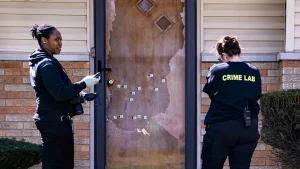
The social media footage that emerged from inside the residence reveals a deeply distressing scene: frantic voices speaking in Spanish to emergency dispatchers, pleading for help as red and blue emergency lights flash outside. “Please help us. We have children! I have a baby. We have a little boy in the house,” one voice desperately calls out. Another woman can be heard explaining, “My husband was being chased for about half an hour, and they were trying to hit him. He came home, and when we closed the door, they shot him. They were far away from us.” The video, which doesn’t clearly show the wounded man, captures the presence of at least two young children in the home during this frightening confrontation, adding another troubling dimension to the incident. Someone is heard directing others to “Tell them they shot the door,” while another voice urgently calls to a child, “Son, come. Son, come.”—revealing the immediate human impact of enforcement operations that occur in residential settings.
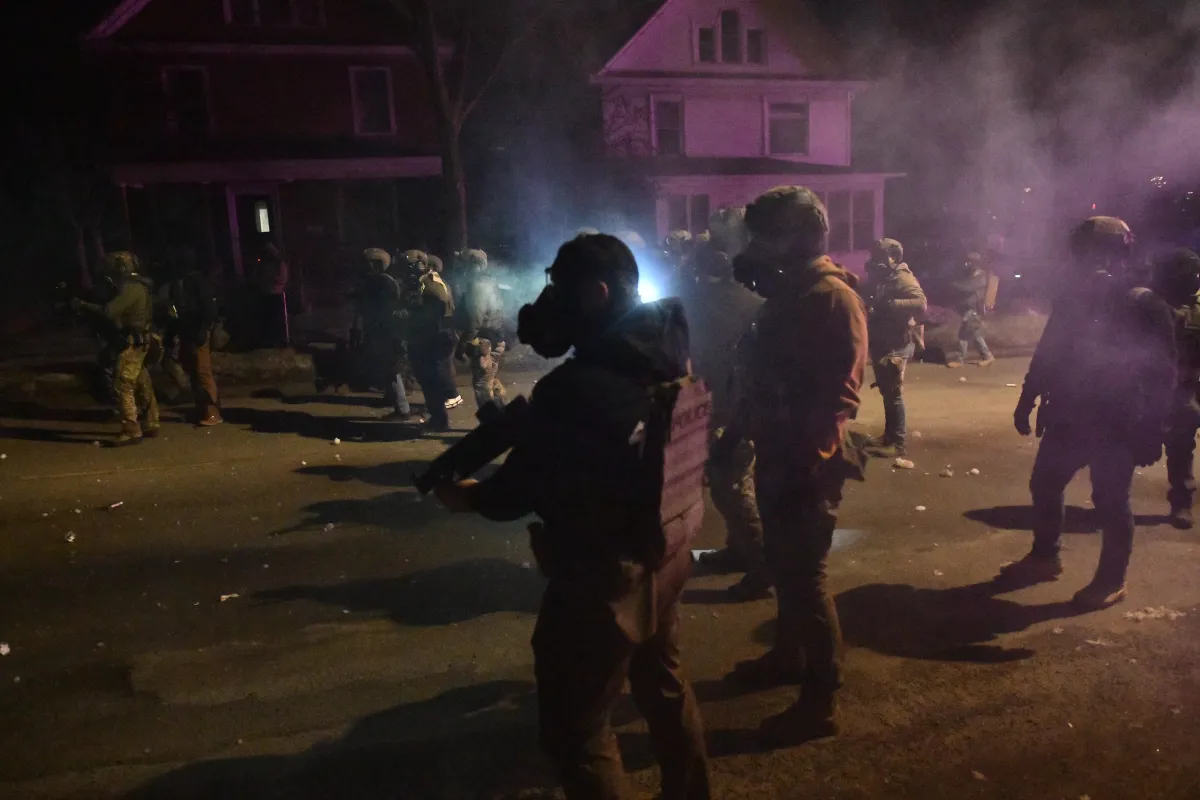
This latest shooting has reopened wounds in a community still processing the death of Renee Nicole Good, who was fatally shot by an ICE agent during a separate operation earlier in January. That earlier incident had already sparked widespread criticism and protests throughout Minneapolis, with community groups and local officials questioning both the proportionality of force used and the broader strategy of federal immigration operations in the city. The aftermath of Wednesday’s shooting quickly escalated as protesters gathered near the scene, leading to confrontations with federal agents on Minneapolis’ snowy streets. According to multiple news reports, law enforcement deployed tear gas and other crowd-control measures to disperse demonstrators who had assembled in response to the shooting—indicating the depth of community concern and anger over these enforcement actions and highlighting the growing tension between federal immigration policies and local community sentiment.
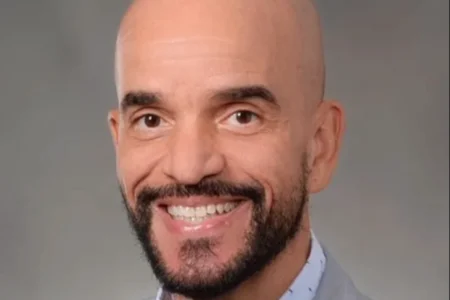
Local leadership has expressed mounting frustration with the situation. During a news conference following the incident, Minneapolis Mayor Jacob Frey articulated the difficult position in which the city finds itself: “There’s still a lot that we don’t know at this time, but what I can tell you for certain is that this is not sustainable. This is an impossible situation that our city is presently being put in, and at the same time, we are trying to find a way forward to keep people safe, to protect our neighbors, to maintain order.” Meanwhile, Minneapolis Police Chief Brian O’Hara took a more measured approach, stating: “I have faith that the investigators that are involved will follow every lead in this case and ensure it is completed to its logical conclusion.” These statements reflect the challenging balance local officials must strike—acknowledging community concerns while also respecting the ongoing investigation process.
The Department of Homeland Security has taken a more combative stance, directing criticism at Minnesota’s leadership. In a statement posted on X (formerly Twitter), DHS claimed: “This attack on another brave member of law enforcement took place while Minnesota’s top leaders, Governor Walz and Mayor Frey, are actively encouraging an organized resistance to ICE and federal law enforcement officers. Their hateful rhetoric and resistance against men and women who are simply trying to do their jobs must end.” This accusatory language reveals the deep political divisions underlying immigration enforcement activities, with federal agencies portraying local resistance as undermining legitimate law enforcement, while community advocates and local officials question whether current enforcement methods properly balance public safety with humanitarian concerns and community trust.
As the investigation into this incident continues, Minneapolis finds itself at the center of a national conversation about immigration enforcement, community safety, and the proper balance of federal and local authority. The presence of children in the home during the operation, the disputed circumstances of the confrontation, and the backdrop of a previous fatal shooting have all contributed to a climate of increased scrutiny and tension. This incident exemplifies the complex human dimensions of immigration policy enforcement—where abstract political debates about border security and immigration status collide with the lived realities of families and communities. Whatever the investigation reveals about the specific circumstances of this shooting, it has already highlighted the urgent need for thoughtful reconsideration of how immigration enforcement operates within diverse urban communities, and how such operations impact public trust, community safety, and the well-being of all residents, regardless of immigration status.