


Minneapolis Schools Offer Remote Learning Option Following Tragedy
In the wake of a devastating tragedy, Minneapolis Public Schools has made a significant adjustment to its learning model, allowing students to choose remote education until mid-February. Following the fatal shooting of Renee Nicole Good by an Immigration and Customs Enforcement (ICE) agent, the district announced that its nearly 29,000 students would have the flexibility to learn from home through February 12. This decision represents a compassionate response to a community in mourning and recognizes the emotional impact such events have on students and families.
The district initially canceled all classes for the remainder of the week due to safety concerns stemming from Wednesday’s shooting. However, as the situation evolved, administrators recognized that a more comprehensive approach was needed to address both safety worries and the emotional well-being of students. Marcia Howard, president of the Minneapolis Federation of Educators (MFE), shared the news via social media on Thursday, emphasizing that this optional remote learning period would provide families with much-needed flexibility during this challenging time. The decision marks an unusual application of the district’s e-learning capabilities, which are typically reserved exclusively for severe weather events, according to local reporting.
This policy adjustment represents a collaborative effort between educators and administrators. Howard specifically noted in her Facebook announcement that union members had advocated for this accommodation, and district leadership had responded positively to their concerns. “This is an OPTION and exactly what so many families need right now,” Howard wrote, highlighting the community-centered approach to decision-making. “MFE members brought this to MPS and MPS listened. Let’s stay strong together Minneapolis.” The statement reflects a unified approach to supporting students through trauma, recognizing that some families may feel safer with their children at home during this period of uncertainty.
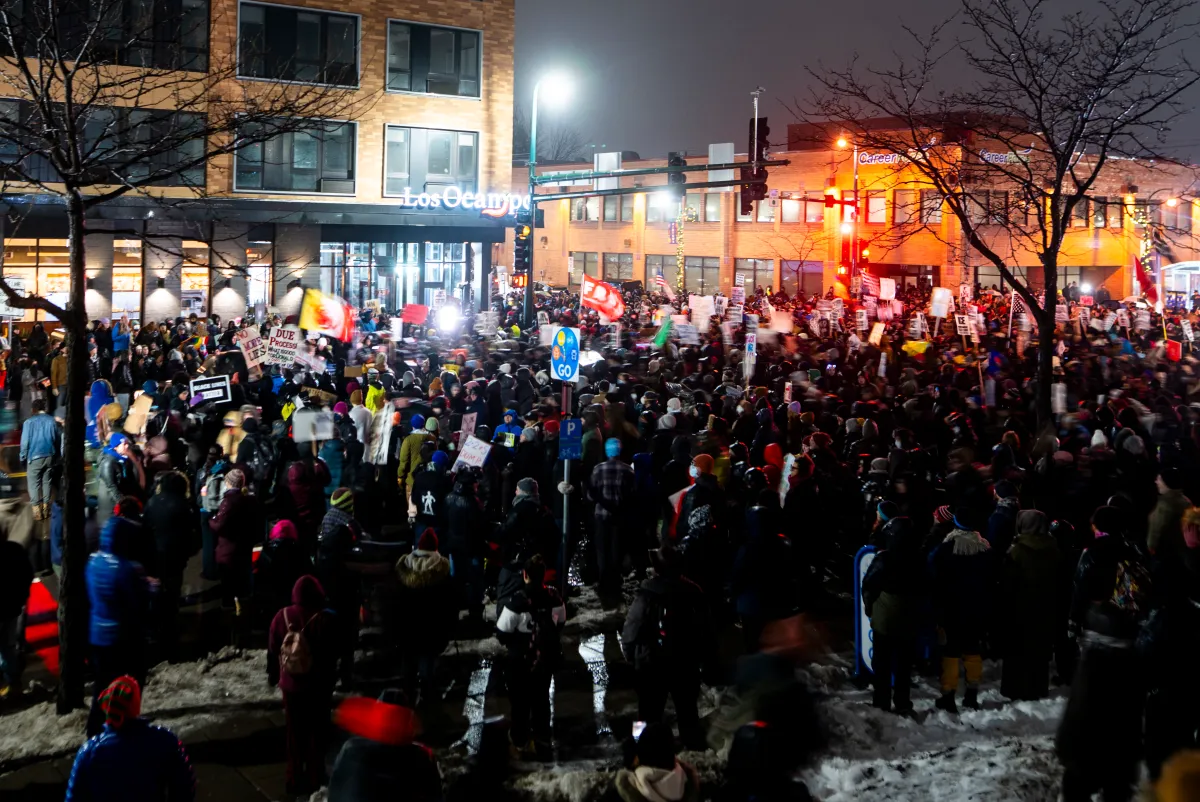
The shooting of Renee Nicole Good has clearly sent shockwaves through the Minneapolis community, affecting not only those who knew her but rippling through the educational system as well. School districts increasingly must navigate how to respond to community tragedies, balancing educational continuity with sensitivity to trauma and safety concerns. By offering a remote option rather than making a unilateral decision for all students, Minneapolis Public Schools is acknowledging the different ways families may need to process this event and the varying comfort levels with returning to physical classrooms in its aftermath.
This flexible approach to learning during crisis reflects a broader evolution in how educational institutions respond to community trauma. Since the COVID-19 pandemic necessitated rapid development of remote learning infrastructure, schools now have more tools at their disposal to maintain educational continuity even during unexpected disruptions. What makes this situation unique is the application of those remote learning tools to address community safety concerns and emotional wellbeing rather than public health mandates. The district’s decision demonstrates how technology originally implemented for one type of crisis can be repurposed to address others.
As this situation continues to develop, Minneapolis Public Schools will likely be evaluating the effectiveness of this approach and determining what additional supports students, families, and staff may need. The emotional impact of community violence can manifest in various ways within educational settings, potentially affecting attendance, academic performance, and mental health. By acknowledging these realities and creating flexibility in their educational delivery model, Minneapolis schools are demonstrating a commitment to supporting their community through this difficult period. This response may serve as a model for other districts facing similar circumstances, showing how educational institutions can adapt quickly to provide options that meet diverse family needs during times of community crisis.