





Paragraph 1: Imagine stepping onto the biggest stage in the world, the 2026 Milano Cortina Winter Olympics, where millions watch every twist and turn of your routine. For Ilia Malinin, the 21-year-old American figure skater dubbed the “Quad God,” this meant carrying the weight of being the gold medal favorite in the men’s single free skate. With his record-breaking quadruples and silver from 2022, expectations were sky-high—fans, coaches, and sponsors all pinning their hopes on him to soar to victory. But as the music played and the ice gleamed under the lights, the pressure mounted like an invisible fog, clouding his mind.
Paragraph 2: In a heart-wrenching turn of events, Malinin stumbled twice on jumps he had landed flawlessly countless times before. The falls weren’t just physical; they shattered his place in the standings, dropping him from contender to eighth. It’s the kind of crash that leaves you replaying moments in your head, wondering where it all went wrong. For an athlete of his caliber, who had trained relentlessly since childhood, dedicating hours to perfecting those impossible leaps, this wasn’t just a bad day— it felt like the world turned upside down in seconds.
Paragraph 3: Days later, in his first public utterance since the ordeal, Malinin opened up on Instagram. “On the world’s biggest stage, those who appear the strongest may still be fighting invisible battles on the inside,” he wrote, his words raw and vulnerable. He spoke of how endless pressure, vile online hatred, and fear crept in, tainting even the happiest memories. Mental health struggles, the kind athletes hide behind bright smiles and trophy cases, had built up until they triggered an unstoppable descent. It was a poignant reminder that behind the stardom, real human emotions rage on.
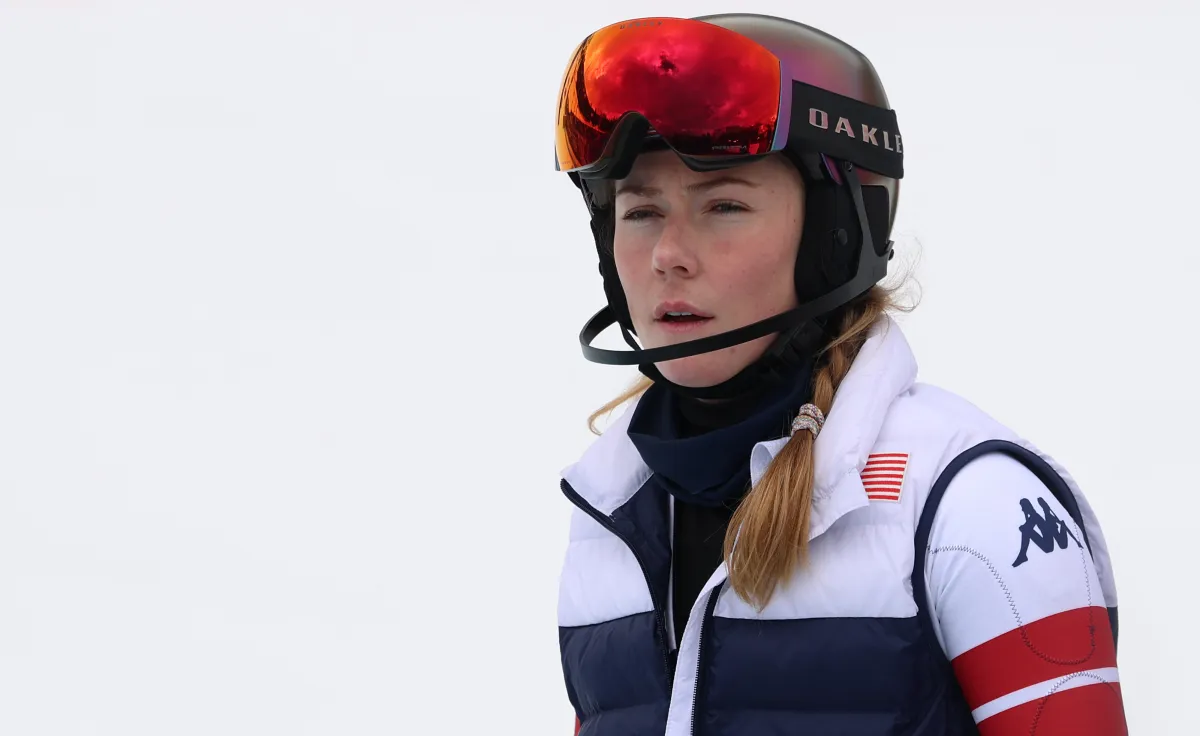
Paragraph 4: Shifting gears to the slopes, fellow American star Mikaela Shiffrin also faced her own letdown at the same Games. The Alpine skiing legend, with more Olympic medals than anyone in history, crashed out to 11th in the giant slalom. Like Malinin, she understood the sting of unmet expectations—the risks of skiing at breakneck speeds, the vulnerability to public scrutiny, and the blend of triumph and heartbreak that defines elite sports. Shiffrin wasn’t just an observer; she was a kindred spirit in the arena of high-stakes disappointment.
Paragraph 5: In a touching display of camaraderie, Shiffrin replied to Malinin’s post with empathy. She echoed his sentiments, writing, “We’ve got your back. Proud of you!” before expanding in a heartfelt message: “The Olympics ask us to take a real risk… We love deeply because we know loss. Heartbreak and victory live right next door.” Her words painted a picture of resilience, where pain and gratitude intertwine, and athletes support each other through the lows. It was more than encouragement; it was a shared acknowledgment of the emotional toll behind the glory.
Paragraph 6: This exchange between two Olympians highlights the softer underbelly of sports stardom. In a world obsessed with victories and records, moments like these remind us of the human cost—of invisible battles fought in the dark, of pressures that can topple even the mightiest. For Malinin and Shiffrin, it’s a testament to vulnerability’s power, showing how sharing stories of struggle can forge connections. As the Games fade, their voices linger, inspiring us all to look beyond the podium and see the hearts beating underneath. In this way, defeat isn’t just an end; it’s a chapter in becoming stronger, more authentic selves.