






Michigan Makes Changes After Special Teams Struggles
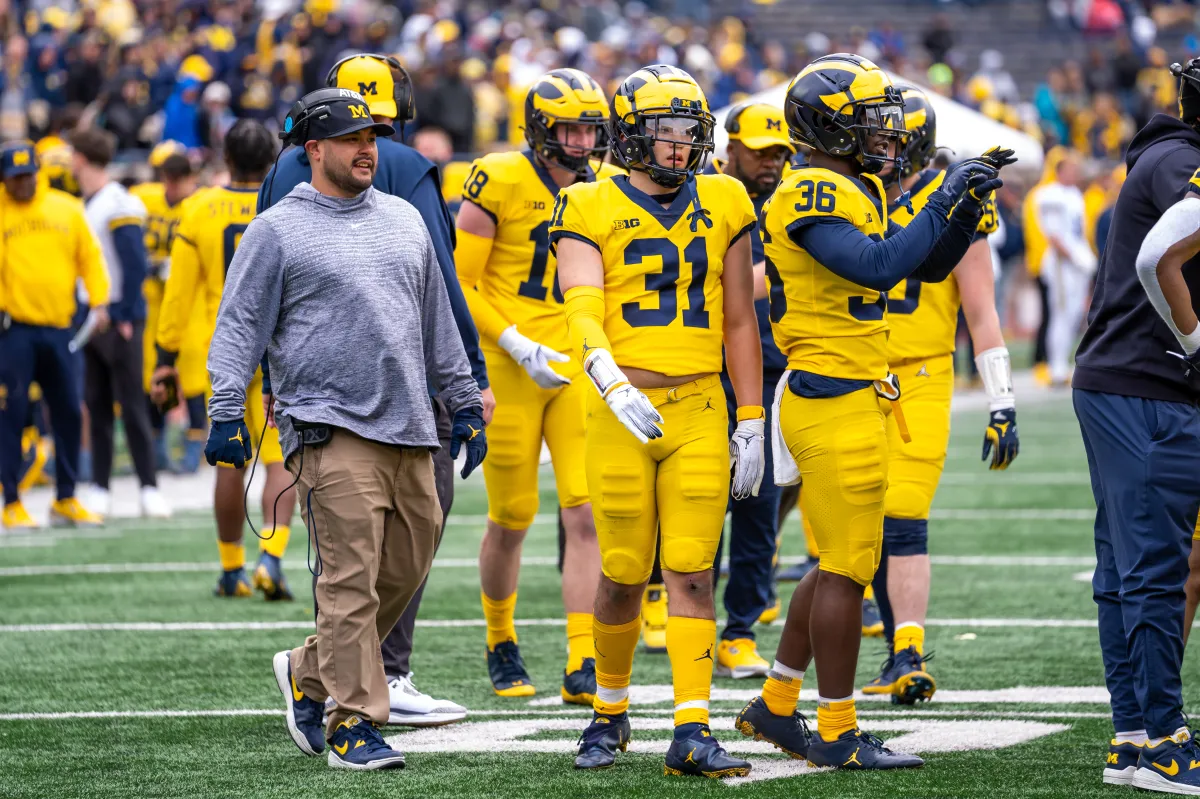
In a decisive move following their disappointing 27-9 loss to rival Ohio State, the Michigan Wolverines have announced significant changes to their special teams unit. The program’s struggles in this crucial aspect of the game throughout the 2025 season have finally prompted action, as head coach Sherrone Moore looks to reposition the team for their upcoming bowl game and beyond.
Special teams coordinator J.B. Brown has been relieved of his duties after five years with the program, according to ESPN insider Pete Thamel. The decision comes after a season where Michigan’s special teams performance has been notably subpar, ranking among the bottom teams in the Big Ten Conference. Coach Moore addressed the change directly, stating, “After thoroughly evaluating our special teams’ performance throughout the season, I made the decision to make a change that was in the best interest of the program.” This straightforward assessment reflects the urgency Michigan feels to address their weaknesses as they prepare for postseason play.
The statistics behind Michigan’s special teams struggles paint a clear picture of why changes were deemed necessary. The Wolverines have ranked second-worst in the Big Ten in kickoff return yardage and third-worst in punt return yardage, severely limiting their field position advantages throughout the season. Perhaps most concerning has been the regression of senior kicker Dominic Zvada, who went from missing just one field goal in 2024 to connecting on only 68.2 percent of his attempts this season. These numbers represent crucial missed opportunities in a sport where special teams can often be the difference between victory and defeat.
The timing of this coaching change—coming immediately after the regular season finale against top-ranked Ohio State—signals Michigan’s recognition that they’re not currently operating at the elite level needed to challenge their arch-rivals. The lopsided loss to the Buckeyes exposed gaps not just in special teams but across multiple facets of the Wolverines’ game plan. While special teams may have been the most glaring weakness, the offensive struggles against Ohio State highlighted additional areas where Michigan must improve to reclaim their competitive edge in this storied rivalry.
Looking ahead, this move may only be the first of several coaching adjustments for the Michigan program. Industry observers speculate that changes to the offensive coaching staff could follow, as Moore and his administration work to close the apparent gap between Michigan and college football’s elite programs. The urgency behind these decisions reflects both the high expectations surrounding Michigan football and the particular importance placed on performance against Ohio State, a matchup that often defines seasons for both programs regardless of other outcomes.
For Michigan fans, this decisive action offers hope that the program is committed to addressing its shortcomings rather than accepting them. While the 2025 regular season ended on a disappointing note, these changes signal that the Wolverines are already looking toward 2026 with determination to rebuild their competitive edge. As they prepare for their bowl game, all eyes will be on how quickly these adjustments translate to improved performance on the field—particularly in those critical special teams moments that have cost them throughout this challenging season.