


Mets Look to Bolster Roster After Missing Out on International Star
The New York Mets find themselves at a critical juncture this offseason as they work to address significant gaps in their roster. Despite making several free agent acquisitions, the team still has considerable work to do before Opening Day. Their efforts recently hit a roadblock when they missed out on Japanese star Munetaka Murakami, who reportedly agreed to terms with the Chicago White Sox. This development has potentially shifted the Mets’ focus toward exploring the trade market to acquire the talent needed to compete in the upcoming season and beyond.
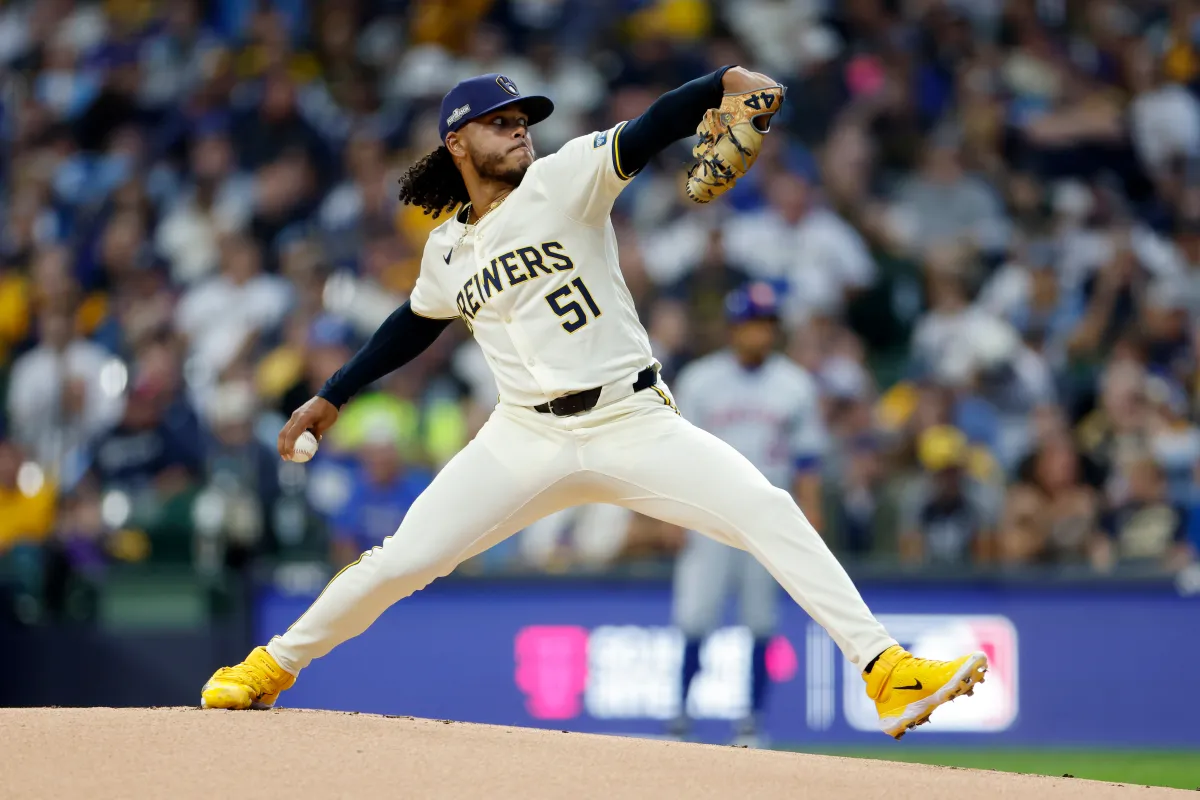
With pitching being their most pressing need, industry analysts are connecting the dots between the Mets and Milwaukee Brewers ace Freddy Peralta. FanSided’s Cody Williams recently highlighted this potential pairing, noting a telling shift in the Brewers’ stance regarding their star pitcher. Initially reluctant to part with Peralta, Milwaukee now appears open to moving him for the right package of prospects. This change in position makes sense from the Brewers’ perspective—Peralta is entering the final year of his contract, and the team could maximize his value by trading him now rather than potentially losing him to free agency without compensation.
The Mets’ situation makes them a logical trade partner for the Brewers. Under the ownership of Steve Cohen and the front office leadership of David Stearns, the organization has worked diligently to rebuild their farm system, which now offers the depth necessary to make a significant trade. While many Mets fans might be hesitant to part with newly acquired prospects after years of rebuilding the system, the team’s need for quality starting pitching is undeniable. Adding a pitcher of Peralta’s caliber would provide an immediate boost to a rotation that currently lacks depth and star power.
Any deal for Peralta would likely require the Mets to part with at least one of their top pitching prospects as the centerpiece of the transaction. Additional prospects would need to be included to finalize the arrangement, though the Mets must balance their current needs with long-term sustainability. This is where the team’s financial might under Cohen’s ownership creates flexibility—the Mets could acquire Peralta for the final year of his current contract while positioning themselves to sign him to a long-term extension before he reaches free agency. This approach would allow them to secure a frontline starter both for the immediate future and for years to come.
The potential acquisition of Peralta represents the type of bold move that has become characteristic of the Cohen-era Mets. Rather than simply accepting the missed opportunity with Murakami, the organization appears ready to pivot quickly to alternative strategies for improvement. The willingness to explore the trade market demonstrates a commitment to fielding a competitive team in 2024 while still maintaining a vision for sustained success. This balanced approach to team building has become increasingly important in today’s MLB, where the gap between contenders and rebuilding teams continues to widen.
As the offseason progresses, Mets fans should expect continued aggressive pursuit of roster improvements from the front office. Whether through the acquisition of Peralta or other significant moves, the team clearly recognizes the need to strengthen their pitching staff before the season begins. While parting with valued prospects is never easy, the opportunity to add established major league talent often necessitates such sacrifices. For a team with championship aspirations like the Mets, calculated risks on players like Peralta represent the path forward as they look to transform from a team with potential into a legitimate contender in the competitive National League East.