





Notre Dame’s Playoff Snub and Roster Challenges
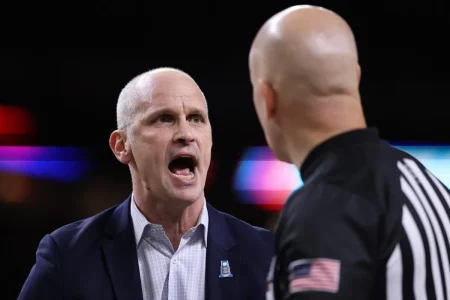
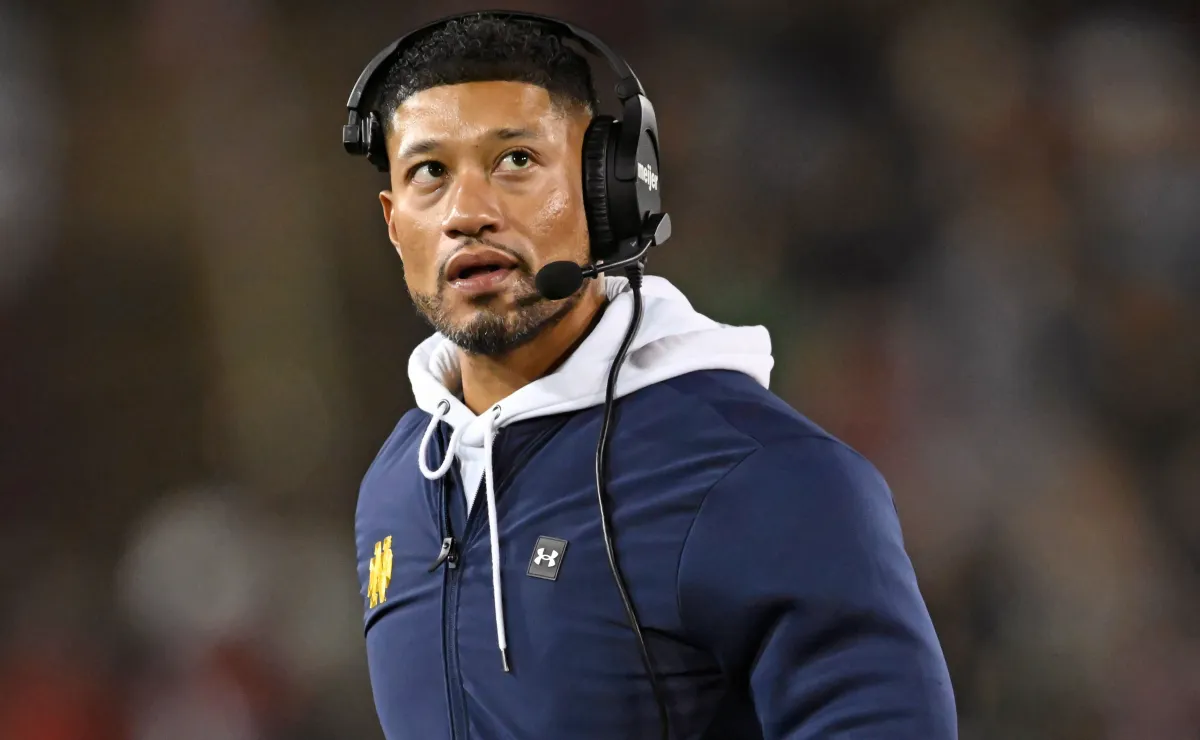
In what became a season of highs and heartbreaks, Notre Dame’s football program ended its 2025 regular season with an impressive 10-2 record under fifth-year head coach Marcus Freeman. Despite fielding one of the nation’s most balanced teams—boasting the second-highest scoring offense at 42 points per game and a formidable defense allowing just 17.6 points per game—the Fighting Irish became the first team left out of the expanded 12-team College Football Playoff. The playoff committee specifically cited Notre Dame’s early-season loss to 10th-ranked Miami as the decisive factor in their exclusion. What followed was a decision that surprised many: rather than accepting an invitation to the Pop-Tarts Bowl, Notre Dame withdrew from postseason play entirely, creating a controversy that ultimately overshadowed their otherwise successful campaign.
The playoff rejection and subsequent bowl game refusal quickly became the dominant narrative of Notre Dame’s season, shifting attention away from their on-field achievements. For a program that had performed at an elite level throughout most of the season, the abrupt end without any postseason appearance created a sense of unfinished business and frustration among players, coaches, and fans alike. This decision represented a bold statement from the program—one that suggested Notre Dame viewed itself as deserving of consideration among college football’s top teams rather than settling for a lower-tier bowl appearance. However, it also initiated what would become a turbulent offseason with implications extending beyond just missed playoff opportunities.
Adding to Notre Dame’s challenges, On3 reported on Wednesday that true freshman wide receiver Antavious “Scrap” Richardson had entered the NCAA transfer portal, continuing the program’s difficult offseason. Richardson, a four-star recruit who was part of the 2025 signing class, completed his freshman year on campus but was among five recruits who didn’t see game action during the season. His departure is particularly noteworthy given his impressive high school credentials—he was ranked as the seventh-best athlete nationally by On3 after showcasing remarkable versatility at Greenville High School in Georgia, where he excelled at quarterback, running back, and safety positions. This multi-dimensional skill set had made Richardson one of the more sought-after recruits in his class.
Richardson’s recruitment journey reflected his valuable potential—originally committed to South Florida, he ultimately flipped to Notre Dame despite having more than a dozen other offers from prestigious programs including Mississippi State, Alabama, Louisville, and North Carolina. While his immediate departure won’t significantly impact Notre Dame’s on-field performance for the upcoming season—especially with leading receiver Jordan Faison (who recorded 49 catches, 640 yards, and four touchdowns) expected to return for 2026—it represents a concerning loss of developmental talent. The coaching staff had viewed Richardson as an important piece in their long-term offensive strategy, making his decision to transfer a setback to their future plans despite his lack of playing time as a true freshman.
The significance of Richardson’s transfer extends beyond the loss of a single player—it highlights a troubling pattern of roster attrition that Notre Dame is experiencing this offseason. More than a dozen key defensive and position players have already entered the transfer portal, including promising talents like linebackers Anthony Sacca and Bodie Kahoun, edge/defensive lineman Preston Zinter, receiver KK Smith, and defensive back Cree Thomas, among others. This exodus presents a substantial challenge for Coach Freeman and his staff as they attempt to maintain program stability and prepare for the 2026 season. The mass departure suggests potential internal issues that may need addressing, whether related to playing time, scheme fit, team culture, or the disappointment stemming from the playoff snub.
As Notre Dame navigates this challenging offseason, the program faces critical questions about its direction and ability to retain talent. The playoff exclusion, despite a 10-2 record, points to the ongoing challenges independent programs face in the evolving college football landscape, where conference affiliations often provide clearer paths to postseason opportunities. Moving forward, Coach Freeman must not only address the immediate roster concerns but also consider how to position Notre Dame to avoid similar disappointments in future seasons. For a program with such storied tradition and consistent performance, finding the balance between maintaining independence and securing playoff opportunities will remain at the forefront of their strategic challenges, especially as they work to rebuild a roster that has seen significant turnover in the wake of their controversial postseason decision.