



Venezuela’s Oil Wealth: A Paradox of Abundance and Struggle
Venezuela stands as the guardian of an extraordinary natural treasure—the world’s largest proven oil reserves, estimated at a staggering 303 billion barrels as of 2024. This vast resource represents approximately 18% of global oil supplies, positioning the South American nation ahead of traditional energy powerhouses like Saudi Arabia (267 billion barrels), Iran (209 billion), Canada (163 billion), and Iraq (145 billion). Such immense petroleum wealth should, in theory, translate into economic prosperity and global influence. Yet Venezuela’s reality tells a dramatically different story—one where abundant resources coexist with economic hardship, political volatility, and international tensions. The country’s oil reserves have become a central character in a complex geopolitical drama, most recently highlighted by unprecedented U.S. military action in Caracas, the reported capture of President Nicolás Maduro, and escalating accusations of foreign interests seeking control over these strategic assets.
The stark contrast between Venezuela’s resource potential and its economic output represents one of the energy world’s most perplexing paradoxes. Despite controlling more oil than any other nation, Venezuela’s petroleum exports in 2023 totaled just $4.05 billion—a fraction compared to Saudi Arabia’s $181 billion and the United States’ $125 billion. This disparity stems from multiple challenges unique to Venezuela’s situation. The country’s oil wealth predominantly consists of extra-heavy crude found in the Orinoco Belt—a resource that demands sophisticated technology, greater investment, and specialized refining processes to extract and process. Unlike the light, sweet crude that flows relatively easily from Saudi wells, Venezuela’s petroleum contains higher levels of sulfur and impurities, typically commanding lower prices on international markets. These technical challenges are further compounded by years of underinvestment in infrastructure, the exodus of technical expertise, and crushing U.S. sanctions that have severely limited Venezuela’s ability to modernize its oil industry and access global markets.
The concept of “proven reserves” itself represents a nuanced intersection of geology, technology, and economics rather than a simple measure of oil in the ground. These figures represent petroleum volumes that experts confidently believe can be extracted using existing technology under current economic conditions—not merely what exists beneath the surface. This distinction helps explain Venezuela’s dramatic increase in proven reserves during the early 2000s, when soaring global oil prices suddenly made the production of previously marginal extra-heavy crude economically viable. The classification of reserves as “proven” remains dynamic, shifting as extraction technologies improve or as price environments change. For Venezuela, this distinction carries particular significance—while its theoretical resource wealth is unmatched, the practical challenges of extracting, refining, and marketing its heavy crude create a substantial gap between potential and realized value, especially in a world increasingly concerned with carbon emissions and climate impacts.
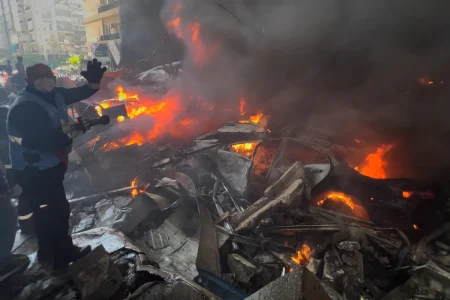
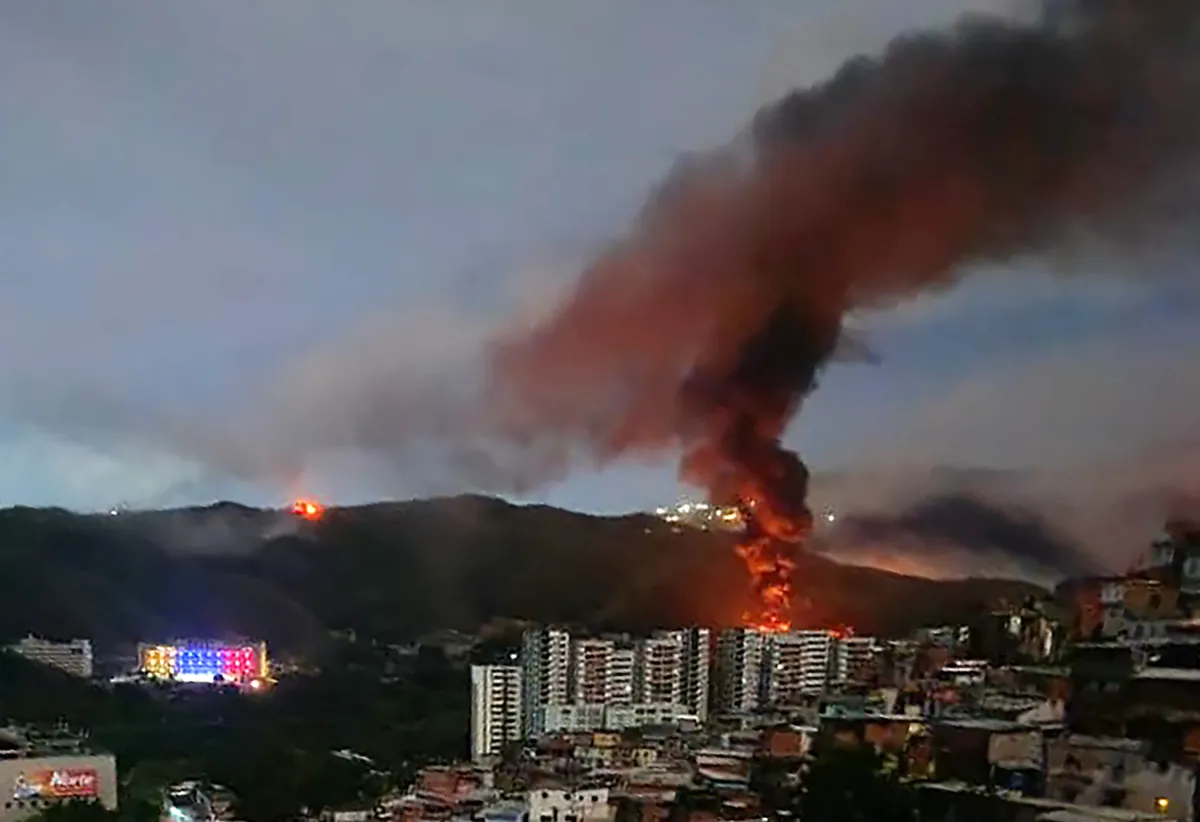
Recent events have dramatically escalated Venezuela’s oil narrative from an economic challenge to an international crisis. The reported U.S. military strikes in Caracas and the alleged capture and transportation of President Maduro represent an extraordinary escalation in longstanding tensions. Maduro has forcefully accused the United States of orchestrating regime change specifically to gain access to Venezuela’s oil reserves, claiming that “The United States seeks regime change and access to Venezuela’s oil reserves through a months-long campaign that began with a military deployment to the Caribbean in August.” Meanwhile, former U.S. President Trump announced on social media: “The United States of America has successfully carried out a large-scale strike against Venezuela and its leader, President Nicolas Maduro, who has been, along with his wife, captured and flown out of the Country.” These developments have prompted sharp condemnation from Venezuela’s allies, with Russia’s Foreign Ministry labeling the action “an act of armed aggression against Venezuela” and Iran describing it as a “flagrant violation of Venezuela’s national sovereignty and territorial integrity.”
The global distribution of oil reserves reveals profound imbalances in resource allocation that continue to shape international politics and economic fortunes. Just four nations—Venezuela, Saudi Arabia, Iran, and Canada—control over half of the world’s proven oil reserves, granting them disproportionate theoretical influence over international energy markets. Yet Venezuela’s experience demonstrates that resources alone do not guarantee prosperity or power. The country’s struggles highlight how factors beyond mere resource abundance—including governance, technical capacity, international relationships, and market access—ultimately determine a nation’s ability to transform natural wealth into economic and social development. This reality stands in stark contrast to other major oil powers like Saudi Arabia and the United Arab Emirates, which have leveraged their petroleum resources to build diverse economic portfolios and significant global influence despite having smaller reserves than Venezuela.
The future of Venezuela’s oil industry now hangs in unprecedented uncertainty following recent U.S. military actions. While the nation’s vast reserves remain physically unchanged beneath Venezuelan soil, virtually every other aspect of the country’s petroleum equation faces potential transformation. The removal of Venezuela’s leadership could drastically alter the governance, international relationships, and investment climate surrounding the country’s oil sector. Any resolution will require addressing multiple complex challenges: restoring political stability after years of turmoil, attracting the massive technical investment needed to modernize extraction and refining capabilities, navigating environmental concerns around heavy crude production, and potentially renegotiating Venezuela’s position in global energy markets amid ongoing sanctions. What happens next will have profound implications not only for Venezuela’s 28 million citizens but also for regional stability, global energy markets, and the broader geopolitical balance of power. The paradox of Venezuela—a nation simultaneously oil-rich and economically struggling—continues to evolve, demonstrating how natural resources, without effective governance and technical capacity, can become sources of vulnerability rather than strength.