




Discovering America’s Hidden Gems: The Quest for the Perfect Suburb
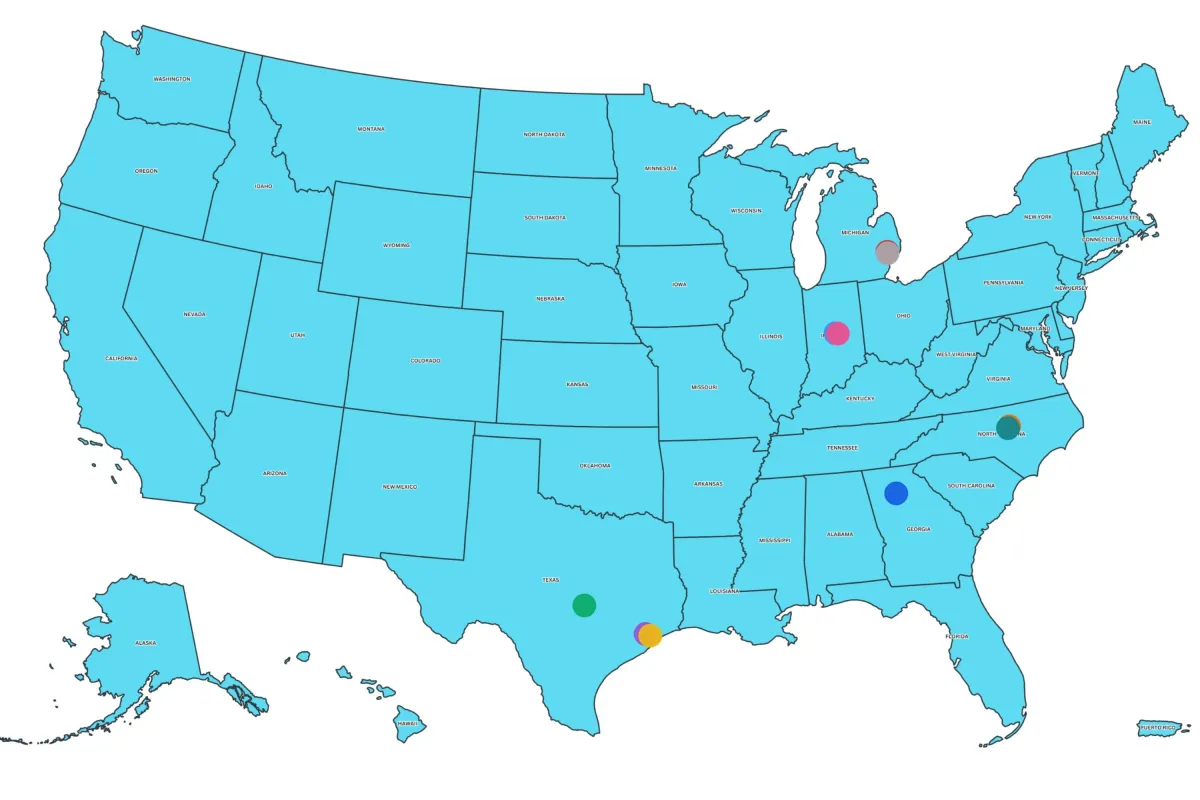
Imagine waking up in a place where the grass is always greener, the air is crisp and invigorating, and your daily life feels like a well-orchestrated symphony of opportunity and comfort—that’s the allure of Johns Creek, Georgia, the newly crowned top spot in U.S. News & World Report’s annual ranking of the best places to live in the United States. This isn’t just a cold list of stats; it’s a heartfelt exploration of communities that embody the American dream, pulling together data from trusted sources like the U.S. Census Bureau, the Federal Reserve, and local agencies to paint a vivid picture of well-being. The study scrutinized 250 major cities, weighing factors that truly matter: from the quality of healthcare and the purity of the air we breathe to the pulse of the job market and the affordance of housing. In an era where everyone’s searching for that elusive balance between career success and family life, this ranking reveals suburbs where the numbers align to create real happiness. Johns Creek, with its leafy environs just north of Atlanta, isn’t some flashy metropolis—it’s a community that quietly excels, scoring a solid 7 out of 10. Picture yourself commuting just under 28 minutes to work in a city with a rock-bottom unemployment rate of 2.87 percent, far below the national average of 4.5 percent, while enjoying a median household income topping $165,000, more than double the U.S. norm. The housing? A median home value of nearly $600,000 feels like a steal when you consider the surrounding schools, parks, and that intangible sense of security. With about 79,000 residents and a median age of 40.3, Johns Creek whispers promises of affluent stability, where families can thrive without the chaos of urban sprawl. It’s the kind of place where neighbors might gather for weekend barbecues in shaded backyards, and the local coffee shops buzz with conversations about thriving careers in tech and finance. But beyond the figures, living here means embracing a lifestyle that’s both ambitious and relaxed—a chance to connect with others over shared values, like investing in education for the next generation or exploring nearby hiking trails without city noise intruding. And for those aspiring to better days, it’s a testament to how economic prowess can uplift a community, making every resident feel part of something greater.
As we descend to second place, Carmel, Indiana, mirrors that same spirit of American aspiration, earning another perfect 7 out of 10. Nestled near Indianapolis, this vibrant suburb of over 106,000 people feels like a friendly embrace rather than a distant ranking. With a median age of 39.6 and swift commutes averaging just under 21 minutes, Carmel offers the convenience of a well-planned utopia where work and home life coexist harmoniously. Unemployment hovers at a reassuring 3.31 percent, and household incomes reach a healthy $142,597—aligning with a broader theme of suburbs that reward hard work. Imagine living here: homeowners relish median home values around $479,000, crafting neighborhoods filled with modern designs and green spaces, while renters pay roughly $1,455, affording a slice of this prosperous pie. But humanize it, and Carmel’s not just numbers—it’s the countless family stories, like parents cheering at little league games or couples strolling farmers’ markets stocked with local produce. The city’s affluent vibe, powered by industries ranging from pharmaceuticals to retail, sparks a community ethos of innovation and inclusivity. People here talk about the pride in building from scratch, with festivals celebrating diverse cultures and volunteer drives that strengthen bonds. For newcomers, it’s an invitation to belong, where high incomes translate into quality time—perhaps evenings spent at community theater productions or biking along serene canals. Yet, beneath the polished surface lies a story of resilience: Carmel’s growth from rural roots to suburban stronghold reflects how smart planning can foster environments where health, wealth, and well-being are woven into daily life, creating not just places to live, but places to truly flourish.
Venturing into third place, Pearland, Texas, adds a touch of Southern charm to the mix, also achieving that coveted 7 out of 10 score. With a population nearing 129,000 and a median age of 35.9, this Houston suburb pulses with youthful energy and an average commute of about 31 minutes that still feels navigable. Unemployment at 3.16 percent beats the national outlook, and the job market—robust in energy, healthcare, and logistics—offers ample opportunities for those chasing dreams. Household incomes average $115,695, painting a picture of attainable prosperity, and while a median home value of $343,700 might raise eyebrows, it’s a relative bargain in the Texas heat, especially with rents at $1,499. Human stories abound here: think of retirees basking in golf communities with championship courses, or young families picnicking in shaded parks dotted with oaks and pecan trees, where the air quality supports outdoor adventures without the allergens of denser areas. Pearland’s appeal lies in its balance—affordable housing that doesn’t sacrifice comfort, and a community spirit that champions education through top-rated schools and cultural events like food festivals celebrating Tex-Mex flavors. Residents share tales of friendly neighbors organizing block parties during hurricane season, turning potential worries into communal bonds. It’s a place where diversity thrives, from booming tech hubs to quiet neighborhoods, fostering a narrative of Texas grit meets suburban serenity. Living in Pearland means waking to the warmth of Gulf Coast sunrises, pursuing careers that align with personal passions, and building legacies in a city that’s more than stats—it’s a lived experience of hope, hospitality, and heartfelt connections.
Fourth on the list, Fishers, Indiana, scores a near-perfect 6.9, inviting us into a narrative of disciplined growth and neighborly warmth. Home to around 105,000 residents with a median age of 36.5, this Indianapolis suburb boasts commutes averaging 23.7 minutes, low unemployment at 3.48 percent, and a job market that’s outperforming nationwide trends. Median incomes of $134,148 speak to a populace that’s economically savvy, with housing that leans premium—median home values at $406,000 surpass the national average of $370,000, and rents at $1,404 offer value in a market of careful planning. But peel back the data, and Fishers reveals stories of intentional living: families flocking to its parks for fishing in Mirror Lake or jogging along the Fall Creek Trail, where nature recharges the soul. The city’s emphasis on community—think farmers’ markets teeming with Hoosier growers or volunteer-led initiatives for education—echoes a human touch that’s all about fostering well-rounded lives. Residents recount evenings at local breweries, swapping stories of successful startups and balanced workdays, highlighting how Fishers blends suburban quiet with urban accessibility. It’s not just about high values; it’s the relatability of a place where affordability meets aspiration, allowing young professionals to put down roots without the pressures of big-city chaos. Imagine grilling lakeside or celebrating festivals that honor heritage, creating memories that last beyond the monthly bills. In essence, Fishers embodies the power of strategic suburbia, where economic strength nurtates personal fulfillment and community ties that feel unbreakable.
Stepping into fifth place, Cary, North Carolina, shares that 6.9 score with a flair for innovation and inclusivity, encompassing about 186,000 people united in progress. With a median age of 38.9 and brisk commutes under 21 minutes, this Raleigh suburb stands out for its 2.56 percent unemployment rate and a job market that’s thriving in research, government, and tech fields. Household incomes averaging $135,260 reflect a culture of achievement, while median home values reach $571,000, underscoring its desirability—rents at $1,560 add to the narrative of premium living. Yet, humanize Cary, and you uncover a tapestry of stories: parents enrolling kids in award-winning schools like Cary Academy, where STEM programs ignite imaginations, or couples enjoying date nights at arts festivals in downtown squares alive with live music. The city’s emphasis on quality of life—exemplified by clean air, top-tier healthcare via WakeMed, and green initiatives—connects deeply with residents who speak of neighborly barbecues or charity runs for local causes. It’s a place where diversity flourishes, with community gardens blooming alongside corporate campuses, fostering a sense of belonging for everyone from recent immigrants to lifelong Carolinians. Living here means savoring the joys of Southern hospitality, perhaps volunteering at animal shelters or exploring NC State Fair traditions, all while pursuing careers that match personal passions. Cary’s ranking isn’t arbitrary; it’s a reflection of how thoughtful planning creates environments where health, happiness, and harmony intertwine, turning data into delightful daily realities.
Sixth through tenth, the ranking delves deeper into aspirational suburbs, each scoring 6.9 and offering unique windows into American vitality. League City, Texas, with its 108,933 residents and median age of 36.2, captivates with 28-minute commutes, 2.75 percent unemployment, and incomes around $121,946—though its median home value of $343,592 offers a more modest allure compared to national averages. Human stories here revolve around clear Lake Houston views and community events like seafood festivals, where families bond over shared histories. Nearby, Apex, North Carolina, welcomes 70,350 people with a median age of 37.3, low unemployment of 2.88 percent, and robust incomes of $141,174, complemented by premium housing values. Residents cherish its friendly vibe, from hiking in Jordan Lake to cheering at high school basketball games. Leander, Texas, ranks eighth, boasting 81,490 souls with incomes nearing $140,795 and commutes around 30 minutes, where outdoor enthusiasts flock to the Hill Country for adventure and community yogurt stands for casual meetups. Rochester Hills, Michigan, follows with 76,836 residents of median age 41.1, incomes at $119,166, and lively commutes of 21 minutes, evoking tales of winter sports and local brew fests that warm the heart. Finally, Troy, Michigan, rounds the top 10 with 89,523 inhabitants, commutes of 22 minutes, and incomes of $120,823, where upscale neighborhoods foster stories of academic excellence and cultural dives. These cities collectively underscore a national trend toward suburbs that prioritize well-being, weaving together job security, housing value, and communal spirit into narratives of fulfillment. Whether it’s the entrepreneurial buzz of Texas suburbs or the intellectual haven of North Carolina towns, they invite us to envision lives enriched by data-driven choices, where every statistic hides a personal triumph. And as the ranking concludes, it’s a gentle reminder: the best places aren’t just ranked—they’re lived in, shared, and celebrated through stories like yours. If you’ve got a travel tale to tell, perhaps about discovering your own suburban sanctuary, reach out to [email protected]; your voice might just inspire the next journey. In this vast landscape of American excellence, these communities remind us that home isn’t a place—it’s the people, the moments, and the quiet joys found along the way, making every statistic a springboard for authentic, heartfelt living.