





The Looming Threat Over Paradise
Imagine waking up in Hawaii, a place synonymous with lush greenery and sun-kissed beaches, only to discover that a fierce storm is brewing just offshore. This isn’t your typical tropical shower; a powerful Kona low—a swirling weather system born in the unusual lows near the islands—is dragging deep pockets of moist air from the tropics straight over the archipelago. For residents like Keiko, a lifelong Oahu native who tends her family’s taro farm on the windward slopes, this week’s forecast feels like an unwelcome guest crashing a family reunion. The National Weather Service (NWS) Weather Prediction Center’s meteorologist Scott Kleebauer paints a stark picture for Newsweek readers, warning that Hawaii is gearing up for a perilous few days of relentless rain. In areas hardest hit, precipitation could pile up to a full foot, transforming serene landscapes into raging rivers and inundated streets. It’s the kind of weather pattern that makes the heart sink for locals, evoking memories of past inundations where homes were washed away and communities rallied in solidarity. As this atmospheric beast strengthens northwest of Hawaii, it pulls in that dreaded deep tropical moisture, setting the stage for what could be a deluge unlike any seen in recent months. Folks who live in or are visiting these islands are beginning to feel the tension; the sky darkens earlier each day, and rumors of flooding swirl through neighborhoods. Yet, amid the worry, there’s a sense of resilience—Hawaiians have faced storms before, from hurricanes to monsoonal rains, and they’ve adapted by building community networks for warnings and aid. This storm, however, promises to be particularly insidious, with its slow-moving front poised to linger and drench the western half of the state. Keiko checks her farm’s drainage ditches daily now, praying they hold against the onslaught. For tourists lounging by Waikiki pools, the excitement of adventure might quickly turn to anxiety as flight delays mount and holidays get rerouted. In Honolulu, office workers glance nervously out windows at gray clouds rolling in, while elderly residents reminisce about the 1982 flood that paralyzed the island. The human cost is palpable: families stockpile supplies, schools close early, and emergency services brace for calls that could overwhelm them. Elizabeth, a teacher on Kauai, juggles lesson plans with worries for her students’ safety, knowing flash floods could trap kids en route home. This isn’t just about water; it’s about livelihoods tied to agriculture, tourism, and daily routines disrupted by nature’s raw power. As the storm edges closer, the islands hum with a mix of dread and determination, a reminder that paradise often hides its perils behind swaying palms and crashing waves. By the time the first drops fall hard, many will understand that this Kona low isn’t merely a weather event—it’s a test of spirit and preparedness for an entire state.
Unprecedented Rainfall and Regional Impacts
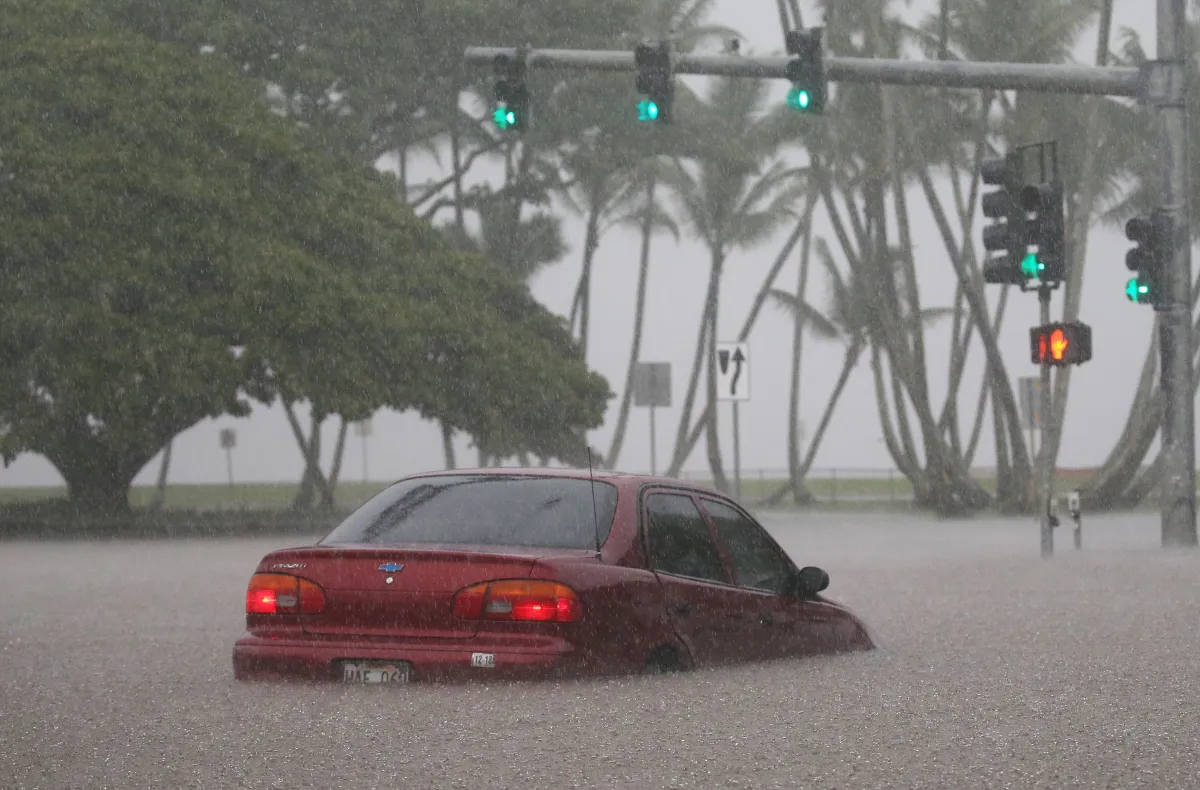
Diving deeper into the forecast, the potential for rainfall is staggering, flipping the script on what Hawaii typically endures in March. According to data from the University of Hawai’i Geography Department, a regular March doles out just 2 to 4 inches of rain across most of the state—a gentle soaking that sustains the greenery without overwhelming the soil. But this week, parts of the western islands could shatter that norm, receiving up to four months’ worth of precipitation in a mere handful of days. Picture residents like Marcus, a honu turtle conservationist on Maui, who live in areas west of the island’s crest where the sky might unleash 11 inches or more over five days, based on animated weather footage from windy.com. Windward-facing slopes, those lush, upslope terrains exposed directly to prevailing winds, are especially vulnerable, potentially soaking up “well over a foot” as Kleebauer cautioned to Newsweek. For those unacquainted with Hawaii’s geography, these slopes are the lifeblood of the islands’ ecology—cascading waterfalls, verdant valleys, and misty trails—but they’re also fault lines for disaster, prone to landslides when saturated. On Kauai, where ancient cliffs plunge into the ocean, a family-run luau venue might see tents flattened by runoff, forcing last-minute cancellations and leaving performers scrambling. Oahu, home to bustling Honolulu, faces threats around areas like the Waikiki district, where urban runoff could flood streets and clog drainage, reminiscent of the 2023 floods that closed major highways for days. Maui’s west side, dotted with pineapple plantations and golf courses, risks seeing fields turn to quagmires, endangering harvests that feed local economies. The storm’s frontal boundary won’t hurry; it plans to stall over Hawaii’s western flank, battering the region with barrages of moist southerly flow. This prolonged exposure could blanket the western two-thirds of the islands, turning what should be a serene week into a soggy siege. Marcus recounts stories from elders about storms that erased entire villages, urging younger generations to prepare sandbags and check roofs. The emotional toll hits hard: imagine children missing playground time, elders isolated in hillside homes, or small businesses shuttered indefinitely. Yet, there’s poignant beauty in it too—rains refilling freshwater aquifers that suffer from drought, nourishing the endemic flora Hawaii depends on. But for now, the focus is on survival; forecasters urge Hawaiians to monitor updates, as exact rainfall totals remain fluid. Elizabeth on Kauai already has her evacuation plan ready, learning from past errors when overconfidence led to harrowing escapes. This isn’t just numbers on a map; it’s the potential inundation of sacred sites, family legacies tied to ancestral lands, and the quiet fears of communities awaiting the unknown. As bands of heavy rain and thunderstorms march in, the islands brace for rapid stream rises and flooded lowlands, transforming everyday drives into perilous bets.
Expert Insights and the Storm’s Mechanics
At the heart of this brewing chaos is the expertise of meteorologists like Scott Kleebauer, who describe the Kona storm with a mix of precision and urgency, humanizing the science behind the fury. Kleebauer, speaking to Newsweek, emphasized that the western islands—Kauai, Oahu, and regions west of Maui—stand squarely in the crosshairs, poised for “significant rainfall” that could dehydrate gardens one moment and drown them the next. He foresees at least 7 inches drenching Honolulu’s vicinity, a figure that might seem modest until you consider the city’s tight urban grid, where even a few inches can cause chaos in traffic and transit. For those on the windward slopes, the outlook darkens further, with totals potentially soaring over a foot, enough to swell rivers into sirens’ roars. Kleebauer explained the storm’s anatomy: a frontal boundary advancing eastward, then stalling to unleash “prolific rainfall totals” across Hawaii’s western half—or perhaps two-thirds. It’s like a relentless invasion, where moist, southerly air streams bisect the islands, feeding persistent bands of heavy rain and thunderstorms. This intense activity isn’t sporadic; it’s sustained, allowing rainfall rates to spike rapidly, leading to flash floods that catch communities off guard. From Kleebauer’s perspective, honed over years tracking Pacific weather patterns, this isn’t alarmist hype but a calculated warning based on models showing deep tropical moisture interacting with the low. He’s seen similar setups before—think the 2018 winter storm that battered the Big Island or the remnants of hurricanes that morphed into Kona systems—but this one’s potency has him advising caution above all. For residents like Keiko on Oahu, whose family has farmed the land for generations, these insights translate to immediate action: securing taro patches from erosion, reinforcing fences, and staying indoors as winds whip up. Marcus on Maui imagines the wildlife he protects—those honu turtles retreating to safer waters as habitats flood. The human element shines through in Kleebauer’s tone: a professional passion for forecasting tempered by empathy for those affected. He reminds us that while storms like this are nature’s way, human complacency amplifies the risk. Families tune into local news, where animated visuals from reliable sources like windy.com illustrate the storm’s path, invoking both awe and anxiety. Elizabeth, with her teaching background, sees parallels to classroom lessons on climate resilience, urging her community to heed experts. This Kona low, in Kleebauer’s words, isn’t abstract—it’s a tangible force reshaping lives, demanding respect for the ocean’s moods and the sky’s whims. As the system intensifies northwest, drawing that moisture curtain, Hawaiians grapple with the reality that prediction isn’t perfection, but preparation can be their shield.
Flood Watches and Affected Areas
Flood watches blanket nearly every island now, a proactive shield against the anticipated onslaught, transforming vigilance into community solidarity. Niihau and Kauai are already under watch, with Oahu’s watch kicking in Tuesday night and Maui’s following on Wednesday. The NWS Honolulu office spells out the grim possibilities: significant flooding from overflowing streams and drainages, roads closing abruptly, property damage in urban and low-lying areas due to relentless runoff, and landslides lurking in steep terrains. For those unaware, these watches are more than alerts—they’re calls to action, signaling where the next deluge might strike hardest. On Kauai, with its rugged northern shores and lush valleys, residents like Elizabeth prepare for stream surges that could isolate rural homesteads, echoing the 1993 floods that stranded families for days. Oahu’s sprawl, from Honolulu’s bustling suburbs to Poamoho’s gentler plains, risks flash floods that turn cycle paths into rapids and parking lots into ponds. West of Maui, areas like Wailea and Kihei, normally havens for golf and ocean strolls, might see their fairways submerged, impacting tourism that fuels the economy. The NWS emphasizes that “considerable flash flooding is possible,” starting this morning as the Kona storm matures, its persistent rain bands cranking up intensity. Landslides pose a particular peril in Hawaii’s volcanic topography, where saturated slopes give way, burying roads and potentially endangering lives—just recall the 2018 incident on the Big Island that claimed multiple victims. Yet, these watches instill hope; they’re tools for forewarning, allowing evacuations and reinforcements. For Keiko, whose taro farm sits on vulnerable slopes, the watch means relocating fragile crops and securing family heirlooms. Marcus envisions rescue operations for stranded wildlife, coordinating with groups like the Maui Ocean Center. Even tourists, some caught unaware mid-vacation, participate in the ritual of checking apps and radios, their island dreams tempered by reality. Communities rally: neighbors share generators and sandbags, schools host emergency drills, and faith centers offer shelters. The watches humanize the threat, turning impersonal data into shared narratives of caution. In Honolulu, office workers reroute commutes, avoiding waterways, while elderly on Kauai rely on family networks for updates. Maui’s west side, with its resorts and plantations, braces for economic ripples—canceled bookings and spoiled crops. Ultimately, these flood watches aren’t just bureaucratic notices; they’re lifelines, urging Hawaiians to prioritize safety in the face of nature’s unpredictability, fostering a collective spirit that defines island life even in crisis.
Safety Advice and Personal Preparedness
Amid the creeping dread of this storm, personal safety emerges as the lifeline, with experts urging swift, intuitive actions to avert tragedy. The NWS and local forecasters strongly advise sticking close to updates from the Weather Prediction Center as the system evolves—no one wants a repeat of floods that have claimed lives when people ventured out unprepared. If flash flooding erupts, immediate response is key: avoid driving through flooded roadways, as most flood-related deaths occur in vehicles—a sobering statistic that haunts emergency responders like those who lost friends in the 2022 mainland floods. For Keiko on Oahu, this means ditching plans for market runs when waters rise, opting instead for higher ground and stocked supplies. Marcus on Maui recalls training sessions with the Red Cross, emphasizing the mantra: “Turn around, don’t drown.” Imagine a family picnic interrupted by rising streams; choosing to abandon soaked gear over risking lives is the wiser path. Residents are encouraged to have evacuation bags ready—flashlights, non-perishable food, medications—and to help vulnerable neighbors, especially elders or those with mobility issues. Landslide-prone areas demand extra vigilance; folks living on slopes should monitor for earth movements, using apps that alert to shifting ground. For tourists, the advice shifts gears: consult hotel staff for local plans, and have contingency routes for flights or ferries that could halt. Emotionally, this preparedness builds resilience; families huddle for storm stories, strengthening bonds much like the aloha spirit that binds Hawaiians. Elizabeth on Kauai teaches her students about “Hawaii Pono’i”—doing the right thing by planning ahead, ensuring no one gets left behind. Businesses install flood barriers, while schools shift to online learning, safeguarding kids. The NWS reminds that persistent rain with thunderstorms can lead to rapid rises in streams, so low-lying homes need sandbags or elevation. Pets aren’t forgotten; folks like Keiko prepare carriers for safe relocation. This isn’t just precaution—it’s empowerment, turning fear into proactive habits. Reflecting on past storms, survivors share how readiness saved lives: securing homes before the deluge prevented greater loss. In the end, safety advice transcends alerts; it’s a communal embrace, reminding everyone that while the Kona low tests courage, human adaptability forged in island culture prevails, with empathy guiding each step through the storm.
Reflections and Broader Implications
As Hawaii stands on the precipice of this formidable storm, it prompts deeper reflections on resilience, climate, and community in a changing world. The Kona low, with its potential for historic rainfall, isn’t an isolated event but a symptom of larger patterns—warming oceans fueling more intense moisture and shifts in storm tracks. For locals like Marcus, whose conservation work highlights shrinking habitats due to climate change, this week’s ordeal underscores the urgency of adaptation. Families share stories of floods past, where aloha—love and compassion—saw neighbors aid the displaced, from sharing generators to emotional support. Yet, the human toll lingers: economic hits from flooded tourism, damaged agriculture like Oahu’s taro crops, and the mental strain on those evacuating. Elizabeth reflects on educating youth about sustainability, hoping future generations mitigate such vulnerabilities. Globally, this storm echoes warnings from scientists about extreme weather amplifying in the Pacific, urging investment in green infrastructure. Tourists, once dazzled by Hawaii’s beauty, leave with a newfound appreciation for its fragility, perhaps advocating for environmental causes back home. Keiko’s farm, a family legacy, symbolizes the balance: rains nourish but excess destroys, teaching humility to those who live in harmony with the land. Emergency services, overwhelmed in drills, highlight funding gaps that could mean life-or-death delays. Ultimately, this Kona low humanizes weather from data to narrative—stories of perseverance, loss, and recovery. As the system dissipates, lessons endure: prepare meticulously, cherish connections, and respect nature’s unpredictability. Hawaii, in facing this storm, reaffirms its identity—a paradise not immune but resilient, where storms forge stronger bonds and brighter futures amidst the clouds. Locals like myriad others worldwide adapt, turning adversity into wisdom, ensuring that even in deluge, hope rains eternal. This event, while daunting, invites global empathy, reminding us all that weather unites as much as it divides, and in unity lies our greatest strength against the elements.