





In the bustling world of corporate America, where every handshake and lunch could seal a million-dollar deal, Bob Thompson found himself in an unexpected predicament. Bob, a mid-level manager at a thriving tech firm, had always prided himself on building strong client relationships – not just through contracts and negotiations, but through those subtle, human moments that made people feel valued. This particular story began innocently enough at the start of the year when he hired Amy, a bright young assistant with a knack for details that had already saved his team countless headaches. From day one, Amy dove into her role with enthusiasm, handling administrative tasks like a pro and even contributing insights that helped land a big contract. Impressed, Bob had given her a raise early on, and as a token of appreciation for her pivotal role in that deal, he invited her to join him and a key client for what was supposed to be a celebratory lunch. Little did he know, this meal would turn into a lesson on business etiquette that spiraled into an online storm, igniting debates across the internet. Bob wasn’t one of those uptight bosses; he’d learned his own hard lessons early in his career. As a junior manager, he’d once ordered spaghetti bolognese at a fancy client dinner and ended up with sauce splattered across his shirt, much to the amusement of his colleagues. He laughed it off back then, but it taught him the unwritten rules of mirroring your clients’ choices to build rapport without overshadowing them. Now, with Amy at the table, he hoped to pass on that wisdom gently, turning what ought to have been a feel-good team outing into a teachable moment. Everyone had their quirks, and Bob believed in second chances; after all, he’d hired Amy knowing she had potential, and he genuinely wanted her to succeed in this competitive field.
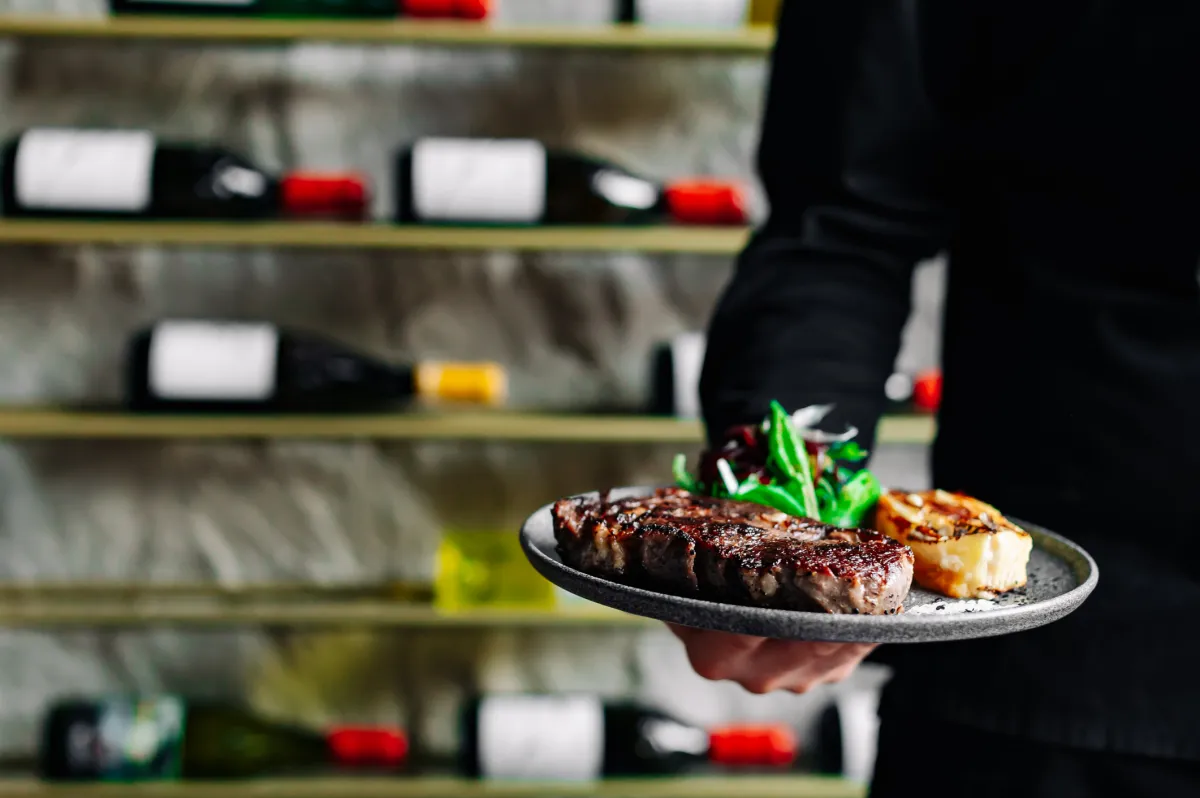
The lunch itself started out beautifully, with the client – a sharp-minded executive from a partner company – diving into easy conversation about shared projects and future collaborations. The restaurant was one of those upscale yet unpretentious spots downtown, filled with the hum of professional chatter and the aroma of freshly baked bread. Bob and the client both opted for classic burgers and fries, keeping it simple and straightforward, as was their shared preference for efficiency over indulgence during work hours. Amy, perhaps feeling buoyed by the invitation, chose a heartier plate: a steak, mashed potatoes, steamed vegetables, and a side of soup. It wasn’t outrageous by any means – she was hungry after a long morning of back-to-back meetings – but as the men finished their meals and the waiter circled back, the difference became apparent. Bob and the client were ready to wrap up, declining dessert to get back to the office. Amy, still savoring her steak, went for a slice of cheesecake and a coffee, delaying the group’s exit just a tad. Bob didn’t think much of it at first; people ate at their own pace, and Amy had earned her spot. But as the minutes ticked by and the conversation lapsed into polite pauses, he started to feel a twinge of unease. In his experience, client lunches were about harmony – mirroring orders, energies, and timings to foster trust and respect. He’d seen deals sour over seemingly small missteps, like a colleague who insisted on exotic wines when everyone else was sipping water, making the client feel out of sync. By the time they left the restaurant, Bob decided he owed it to Amy to share this insight privately, not as a boss correcting an employee, but as a mentor guiding her through the ropes. Amy had been a star, but in client-facing roles, these subtle cues could make or break perceptions, and he wanted her to thrive without unintended hurdles.
Later that afternoon, back in the office, Bob pulled Amy aside for a quiet chat in his corner office, overlooking the city skyline. He chose his words carefully, drawing from his own past blunders to keep things relatable. “Amy, I just wanted to talk about the lunch today,” he started, leaning back in his chair with a warm smile to avoid sounding stern. “You did an amazing job helping close that deal – that’s why you were there. But I’ve noticed that in these client meals, it’s often best to follow the client’s lead. If they keep it simple with burgers, we do too. If they skip dessert, we do the same. It’s not about restricting yourself; it’s about building that connection, making sure we’re all on the same page.” He shared the spaghetti story then, laughing at his younger self, hoping it would humanize the advice. “I’ve been there – embarrassing myself in front of execs. I don’t want that for you.” But Amy’s reaction caught him off guard. Her eyes welled up, and she began to cry softly, believing the conversation was thinly veiled criticism about her weight. Bob was stunned; that had never crossed his mind. He reassured her immediately: “Amy, this isn’t about you personally or anything like that. You’re an incredible asset to the team, and I value your contributions immensely. This is purely about professional strategy in client settings.” Despite his efforts, the conversation ended awkwardly, with Amy nodding through tears and excusing herself. That night, feeling a mix of concern and defensiveness, Bob posted the story anonymously on Reddit under the handle Hot_Lab4411, seeking validation. Had he been wrong to bring it up?
The Reddit post exploded, racking up thousands of comments in just days, turning what Bob thought was a simple etiquette lesson into a viral debate about workplace norms and body shaming. Many users rallied behind him, sharing their own stories of navigating professional dinners. One commenter, who identified as overweight, wrote passionately: “If I were in a client-facing job and the client ordered fries, I wouldn’t dream of getting a steak! It’s about respect and professionalism, not about not eating what you want on your own time.” Others nodded in agreement, citing the “strategy” as essential: “If she wants to be in this field, learning to mirror clients’ choices builds rapport. This isn’t wrong – it’s teaching office etiquette.” There were voices of empathy too, with some calling out potential insensitivity: “Sure, but how it’s delivered matters. If she felt it was about her size, maybe phrase it differently next time.” Bob read through the threads late into the night, heartened by the support but troubled by the naysayers. He posted additional details, emphasizing his intent was growth-oriented, not punitive. Amy, unaware of the online buzz, seemed to pull back a bit at work, her usual verve dimmed, leaving Bob second-guessing if the advice had created more harm than good. In the digital echo chamber, strangers dissected his actions – was he a caring mentor or an insensitive boss? The debate highlighted broader issues: the unspoken rules of business, the weight of first impressions, and how gender and body image could intertwine with professional expectations.
Experts in business etiquette weighed in through articles and magazines, bridging the gap between personal feelings and corporate realities. Joan Burge, founder of Office Dynamics International, stressed that while business has grown more casual, proper etiquette remains crucial. She explained in a recent op-ed that professionals, especially assistants like Amy, represent not just themselves but their organizations during client interactions. “Imagine the impression left if an assistant’s choices disrupt the flow – it could subtly undermine trust,” Burge wrote, drawing on years of training executives. Table manners, meal selections, and even pacing all factor into how one’s professionalism is perceived. Robert Hosking echoed this in Executive Support Magazine, noting that good office manners foster positive environments: “Etiquette isn’t outdated; it’s vital for collaboration and client satisfaction.” He shared examples from seminars where poor meal choices had led to awkward lunches, advising mirrors to guide decisions empathetically. For Bob, these insights were reassuring yet reflective. As someone who’d climbed the ladder through trial and error, he valued these experts’ perspectives, wondering aloud in follow-up comments if he should have framed his guidance with more sensitivity. The incident underscored a larger truth: in an era of remote work and quick emails, in-person meals still mattered profoundly, and navigating them required balancing personal authenticity with corporate finesse.
Reflecting on the fallout, Bob still saw Amy’s potential shining through, despite the tension. The lunch mishap hadn’t overshadowed her talents – she’d secured data that swung the deal, after all. “It wasn’t her meal that bothered me as much as her reaction to feedback,” he mused privately, questioning if others agreed he was right to address it. Journalism outlets like Newsweek reached out for comments via Reddit, but he hesitated to go public, wanting to protect Amy’s privacy. In the end, the story became a mirror for countless professionals grappling with etiquette in client settings. For Amy, it prompted introspection on resilience in a demanding field. For Bob, it was a reminder that even well-meaning advice could miss the mark. As workplaces evolve, conversations like this might pave the way for clearer norms, ensuring everyone – from assistants to executives – can dine and succeed without unintended drama.