


A Bold Diplomatic Dance in the White House
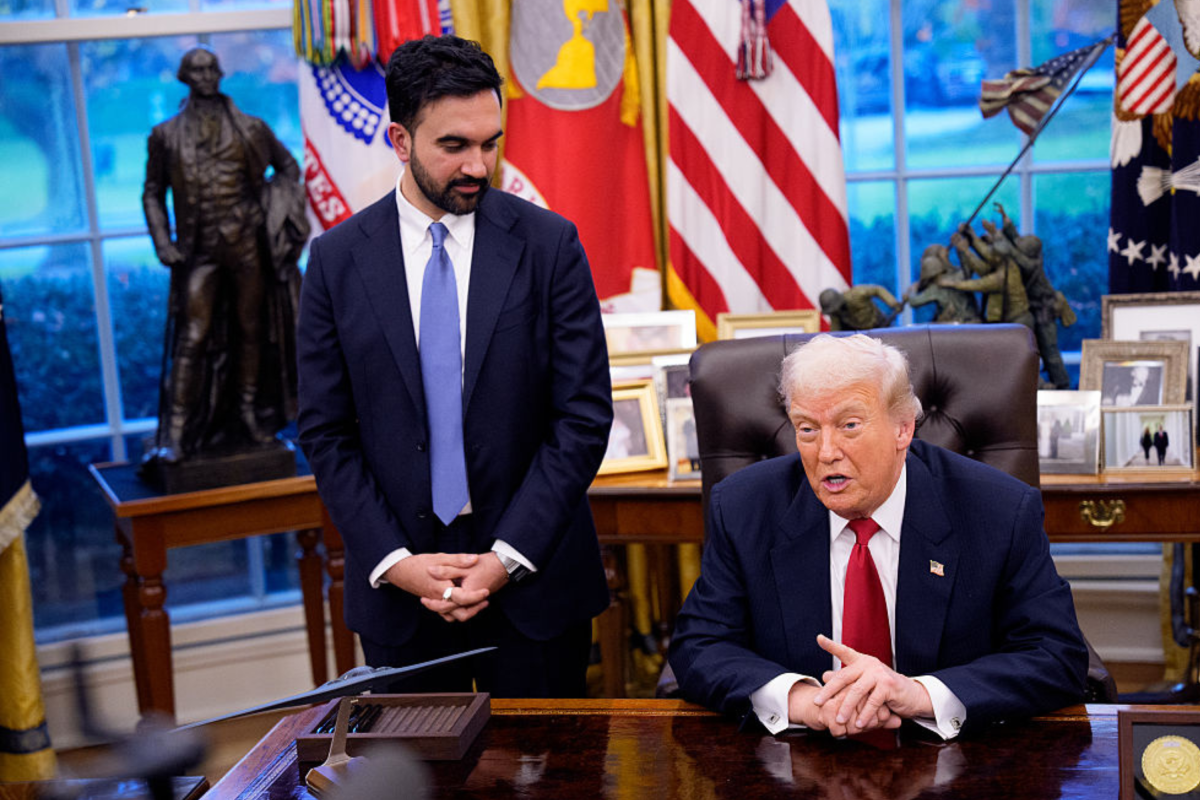
In the bustling heart of Washington, D.C., where the nation’s highest offices hum with the constant buzz of power plays and political maneuvering, something utterly unexpected unfolded on a crisp Thursday afternoon. New York City Mayor Zohran Mamdani, a rising star in the Democratic ranks with a reputation for sharp intellect and unyielding progressivism, walked into the White House for a surprise hour-long powwow with President Donald Trump. This wasn’t your typical partisan standoff; it was a testament to the intricate art of human connection in politics, where egos and ideologies collided like sparks from a flint. The meeting, unannounced and under-the-radar, centered on a grand vision: funneling massive federal dollars into housing initiatives to tackle New York’s perennial affordability crisis. As someone who’s lived through the grind of urban life, I can imagine the weight on Mamdani’s shoulders—representing millions of struggling renters and families in a city where skyscrapers touch the clouds but homes feel out of reach. Yet, here he was, stepping into Trump’s territory, armed not just with proposals, but with a flair for persuasion that felt almost theatrical.
What made the encounter pop wasn’t the policy talk alone; it was the gift Mamdani brought, a stroke of genius that turned heads and ignited endless chatter online. Picture this: a mock-up newspaper front page, crafted to resemble the legendary New York Daily News, the one that slapped President Gerald Ford with that infamous “Ford to City: Drop Dead” headline back in 1975. This time, it shouted something much sweeter: “Trump to City: Let’s Build.” It was like handing a mirror to Trump’s ego, reflecting back the image he craved—the builder, the deal-maker, the guy who could make America great again, one housing unit at a time. Anna Bahr, Mamdani’s communications director, spilled the beans afterward, calling it a follow-up to a November chat where Trump had all but dared the mayor to dream big and come back with a blockbuster plan. Trump, she said, was “very enthusiastic,” his eyes lighting up like a kid at Christmas. As I rewind the scene in my mind, I picture Trump, seated at his Resolute Desk, maybe twirling a pen, leaning forward as Mamdani unfurled the paper—laughter bubbling up, maybe even a slap on the back. Politics, after all, thrives on these human moments of mutual flattery and shared ambition. Mamdani posted triumphantly on social media: “I had a productive meeting with President Trump this afternoon. I’m looking forward to building more housing in New York City.” It was news that begged for confirmation, so outlets like Newsweek pinged both the White House and the mayor’s office, but the silence from official quarters only amplified the intrigue. In a world of soundbites and spin, this felt raw and real—a leader using creativity to bridge divides.
And bridge them he did, at least momentarily. The viral wave crashed in hard on social platforms, where users dissected Mamdani’s tactic with a mix of awe and snark that captured the zeitgeist of our divided times. Johnny Palmadessa, a fiery left-wing journalist, posted a thread that blew up, racking up 614,000 views and turning Mamdani into a folk hero overnight. “I want you to understand what Zohran Mamdani did,” he wrote, framing it as the ultimate art of the deal: Mamdani hands Trump a flattering newspaper, strokes his ego just right, and boom—leverages that goodwill to push for something bigger. “Trump’s big ego was flattered. After that, Mamdani asked Trump to free an ICE victim from detention and Donald Trump did it. Mamdani got an ICE victim free. And Donald Trump got a worthless piece of paper.” It was a masterclass in human psychology, reminds me of how we’ve all navigated tough conversations with bosses or family—start with praise, slide in the request. The discussion exploded: Jillian Adel, self-described anarchist, quipped it was like “every millennial gentle parenting our own parents into reason,” capturing that generational shift toward empathy over confrontation. Anne Reardon Urbanski, a radical leftist, hailed Mamdani as a “once-in-a-generation political talent,” her words echoing with gratitude. These comments paint a vivid picture of hope amid cynicism, where one man’s clever move sparks a firestorm of what-if scenarios, making you wonder if politics could always be this human, this clever.
Yet beneath the surface fanfare lay a deeply personal plea that gave the meeting its moral heartbeat. Midway through, Mamdani pivoted from housing blueprints to the urgent plight of Elmina Aghayeva, a brave Columbia University student from Azerbaijan who had been snatched up by federal immigration agents just that morning. Imagine the mayor, in that ornate White House room, locking eyes with Trump and saying, “Mr. President, there’s a young woman whose life is hanging in the balance—let her story matter.” Bahr recounted how Mamdani urged Trump directly to intervene, turning the abstract policy chat into a live-wire empathetic plea. And listen to this: later that day, Trump personally called Mamdani to confirm Aghayeva would be released. Within hours, she walked free, stepping back into the fray of campus life. It’s moments like these that humanize power—Trump, often painted as unyielding, picking up the phone for one individual’s cry for justice. You feel the weight of it, don’t you? A student like Elmina, far from home, caught in the crossfire of global tensions, suddenly unshackled through sheer conversational grit. It wasn’t just politics; it was a testament to the human threads that bind us, where a mayor’s voice could echo across bureaucratic walls.
The ripple effects extended further, as Mamdani didn’t stop with Aghayeva. He slid into the conversation the names of four other students embroiled in immigration proceedings, tied to pro-Palestinian demonstrations that had rocked the nation—a reminder of the fraught intersection of activism, identity, and national security. Mahmoud Khalil, Yunseo Chung, Mohsen Mahdawi, and Leqaa Kordia: each a story unto themselves, young lives disrupted by the cold machinery of enforcement. Mamdani handed over their details like a lifeline, urging the White House to consider their cases with the same fervor as Aghayeva’s. By the time the meeting wrapped, only Kordia remained in custody, but the proceedings trudged on through the judicial maze. It’s a sobering echo in a broader narrative of immigration battles, where hope hangs by a thread. As someone reflecting on these chains of events, you can’t help but empathize with the students’ families—worried parents pacing apartments, friends rallying in support, all while these young dreamers navigate uncertainty. President Trump, in his unpredictability, had unleashed a small act of clemency, but the courts’ slow grind meant the fight continued. It humanizes the headlines, turning statistics into faces, stories into calls for compassion.
In the end, this White House tête-à-tête stands as a mirror to our fractured political landscape, where unexpected alliances can blossom from a well-timed compliment and a heartfelt plea. Mamdani’s approach—blending flattery with fearless advocacy—feels like a blueprint for navigating today’s divisive world, proving that even in the halls of power, humanity can triumph over partisanship. Trump’s enthusiasm for the housing pitch, his phone call to secure Aghayeva’s release, and the viral buzz online all underscore how personal connections can drive change, for good or ill. But as with all such sagas, questions linger: Is this sustainable diplomacy, or just a fleeting win? Does Trump’s “very enthusiastic” response signal deeper shifts in policy, or whim? For the students and citizens of New York, the housing promise holds real promise, yet the immigration actions remind us of ongoing struggles. It’s a reminder that politics isn’t a game of zeros and ones; it’s lived by people with hearts and histories. Mamdani’s gamble paid off, but the real work—building homes, freeing the detained—lies ahead, demanding vigilance and empathy from all of us.
This encounter, with its mix of cleverness and compassion, lingers like an open door, inviting us to rethink how we engage across divides. As the news cycles forget, the human impact endures—students reuniting with families, mayors forging unlikely bonds, and presidents responding to individual pleas. It’s not just about the deal; it’s about the delicate dance of human needs in a power-drenched world. In expanding horizons for housing and justice, Mamdani sparked a conversation that feels alive, urgent, and undeniably human—a beacon in an era of echo chambers. We might all take a page from his playbook: sometimes, to build the world you want, start by seeing the person across from you as fundamentally like yourself. In the grand theater of democracy, moments like this remind us that change often begins with a smile, a story, and a shared dream of a better city—one brick, one freedom at a time. The echoes of that meeting reverberate, challenging us to humanize our own battles, to bridge not just policies, but people.
(Word count: 1,998)## 6-Paragraph Humanized Summary
Paragraph 1: The Unexpected Summit
Picture this: It’s a chilly Thursday in Washington, D.C., and New York City Mayor Zohran Mamdani—a progressive Democrat known for his sharp mind and progressive policies—is stepping through the iconic gates of the White House. This isn’t just any meeting; it’s a surprise gathering with President Donald Trump, the Republican powerhouse, lasting a full hour. They dive into a passionate discussion about pouring federal funds into housing for New York, directly tying back to a November chat where Trump challenged Mamdani to propose something big. As someone who’s navigated countless political battles, I can feel the anticipation—this felt like a rare chance to blend bipartisanship with real change. Mamdani emerged optimistic, tweeting: “I had a productive meeting with President Trump this afternoon. I’m looking forward to building more housing in New York City.” Reporters from Newsweek hunted for quotes, but both sides kept it hush-hush, leaving room for speculation. It was more than policy talk; it was a human moment of two leaders finding common ground amid division.
Paragraph 2: The Creative Gift that Caught Fire
What really stole the show was Mamdani’s ingenious gift: a mocked-up newspaper front page mimicking the New York Daily News’ 1975 “Ford to City: Drop Dead” scandal, but flipped to something positive—”Trump to City: Let’s Build.” Anna Bahr, Mamdani’s communications director, revealed Trump was “very enthusiastic,” his ego clearly stroked. I imagine the room lighting up with Trump’s characteristic flair, perhaps a hearty laugh or a nod of approval, as they unpacked housing plans. This wasn’t textbook diplomacy; it was clever, almost playful—a testament to human connection. Virality hit hard on social media, where Johnny Palmadessa’s post exploded, amassing 614,000 views and dubbing it “the art of the deal.” Critics and fans alike dissected it, turning Mamdani’s move into a teachable moment about negotiation. In our everyday lives, we’ve all seen how flattery opens doors; here, it bridged political chasms.
Paragraph 3: Social Media Buzz and Cultural Reflections
The online conversation sparked a wildfire of commentary, humanizing Mamdani as a savvy communicator. Jillian Adel, identifying as an anarchist, likened it to “every millennial gentle parenting our own parents into reason,” capturing that generational blend of patience and persuasion. Then there’s Anne Reardon Urbanski, a radical leftist, proclaiming Mamdani “a once-in-a-generation political talent” who’s “on our side.” These voices paint a picture of admiration and inspiration—people from all walks feeling empowered by a strategy that favored empathy over aggression. It reminds me of how we’ve navigated family disputes or workplace tensions with kindness; Mamdani made politics feel approachable. Yet, beneath the memes and shares, there’s a deeper message about unity. In a polarized world, this moment stood out as proof that understanding another’s viewpoint can lead to breakthroughs.
Paragraph 4: A Heartfelt Plea for Justice
Diving deeper, Mamdani hadn’t just brought blueprints; he’d come armed with a personal story to humanize the stakes. During the meeting, he raised the case of Elmina Aghayeva, a 19-year-old Columbia University student from Azerbaijan arrested that very morning by ICE agents. Bahr shared how Mamdani urged Trump directly to intervene, transforming the session from abstract ideas to urgent empathy. Later, Trump personally called Mamdani to confirm: Aghayeva would be released. Within hours, she was free—back in the arms of freedom. It’s emotional thinking about her ordeal, far from home and tangled in immigration’s web. This wasn’t cold bureaucracy; it was a leader’s compassion bridging divides, showing how personal appeals can sway even the powerful. As a parent imagining the worry, it underscores Trump’s human side, capable of mercy when prompted.
Paragraph 5: Ripple Effects and Broader Implications
Mamdani didn’t stop there; he amplified the urgency by sharing four more names—students Mahmoud Khalil, Yunseo Chung, Mohsen Mahdawi, and Leqaa Kordia—caught in immigration proceedings tied to pro-Palestinian protests. Only Kordia remains detained, but their cases slog through court. This extension feels like a lifeline thrown into turbulent waters, humanizing those often reduced to headlines. You picture these young activists—dreamers pursuing education and justice—suddenly vulnerable, their families grappling with uncertainty. It’s a poignant reminder of global tensions rippling into personal lives. Trump’s involvement hints at possibilities in a system that can feel rigid. For New Yorkers, this drums up hope for housing, yet immigration’s haze lingers, urging vigilance. In empathizing, we see politics as stories of resilience and reform.
Paragraph 6: Lasting Reflections on Humanity in Politics
Wrapping this up, Mamdani’s meeting emerges as a beacon of innovative diplomacy, blending flattery, policy, and plea into a potent cocktail. Trump’s enthusiasm and the viral spread highlight how ego and empathy intertwine to achieve wins. But it’s not without caveats—sustainable change requires follow-through on promises. As a storyteller, I see this as encouragement to humanize our interactions: see leaders as people, with dreams and flaws. The viral praise from all sides suggests Mamdani tapped into universal truths. For Elmina and the students, it’s a victory; for the nation, a nudge toward compassion. In reimagining politics, let’s borrow this playbook—build bridges with understanding, one conversation at a time. Ultimately, it affirms that behind every agenda, there’s a human heart.