





Imagine strolling along Tampa Bay’s sun-drenched shores in February, where palm trees sway under a perpetual blue sky and the air whispers of tropical warmth—it’s the kind of place where snow feels like a myth from a distant, frosty fairy tale. But this weekend, that myth could briefly come alive. There’s a tantalizing 20 percent chance that a winter storm barreling through the U.S. Southeast might sprinkle flurries on this Florida city, the first such snowfall since January 9, 2010. For locals who’ve grown up basking in the Sunshine State’s golden glow, the idea of snowflakes dancing in the night air is nothing short of magical, a rare interruption in their balmy paradise. Meteorologists at the National Weather Service (NWS) are growing more confident about this storm’s path, predicting it will unleash impacts just days after Winter Storm Fern battered the nation with heavy snow and chaos. While the bulk of the powdery drama—think several inches or more—is slated for the Eastern Seaboard, especially the Carolinas, Florida might get a taste, turning a weekend getaway into an unexpected winter wonderland vignette. Chief meteorologist Jeff Berardelli from WFLA-TV couldn’t hide his excitement on X (formerly Twitter), exclaiming, “Holy cow! This has to be a first!!” as he spotted Tampa Bay highlighted in NOAA’s Winter Storm Severity Index for a “small” chance of snow impacts. It’s moments like these that remind us how unpredictable our weather can be, blending the thrill of the unknown with a dash of comic disbelief, like seeing Santa in shorts by the beach.
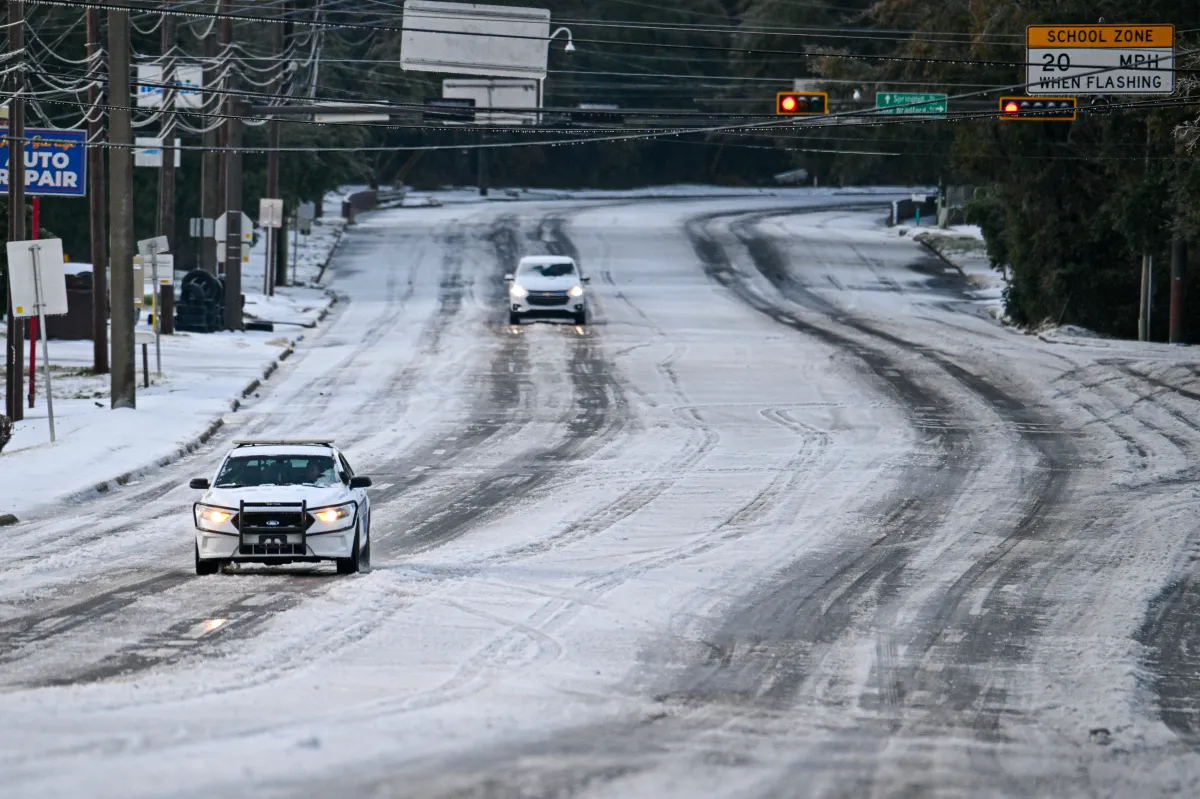
As the storm gears up, it’s casting a wide shadow over the Southeast, a region more accustomed to mild breezes than blustery cold fronts. Hot on the heels of Winter Storm Fern, which left highways slick, power lines down, and communities digging out from hefty dumps of snow last weekend, this new system promises another round of disruption. The NWS’s forecasts are sharpening, painting a picture of widespread impacts that could disrupt travel, strain utilities, and force folks indoors as temperatures plummet. For many in the Southeast, this isn’t just another forecast—it’s a call to action, pulling up memories of past storms that turned quiet streets into snow-covered battlegrounds. In the Carolinas, where snowfall totals could climb higher, residents are likely swapping stories of playgrounds transformed into impromptu skiing spots or the quiet hush of a blizzard’s embrace. But for Florida, the star of this show is Tampa, where that 10 to 20 percent chance of flurries overnight Saturday into early Sunday morning could etch a new chapter in local lore. Meteorologist Tony Hurt from NWS emphasizes that any snow would hug the coast, driven by moisture slurping in from the Gulf, and it might come with a side of strong winds. It’s a reminder of how weather weaves through our lives—sometimes bringing joy, like that first snowball fight in decades, and other times highlighting our vulnerability. Amid a polarized world, where opinions fly like gusts in a gale, these natural events offer a shared human experience, bridging divides as people hunker down together, sharing blankets and hot cocoa, no matter their beliefs.
Zooming in on Florida, the Sunshine State is bracing for a chilly surprise that could rewrite its reputation as eternal summer. While Tampa steals the spotlight with its snow fairy tale, other pockets of the state are in on the act, with Jacksonville eyeing the highest odds for some frosty fun—though “fun” might be a stretch when you’re contending with biting winds. Extremely low temperatures are forecast across the board, transforming the state’s vibe from balmy beaches to a frosty retreat. In Northern Florida, wind chills could dive into the single digits, making it feel like you’re standing in a walk-in freezer, while even Miami’s palm-lined avenues might flirt with near-freezing lows. Residents can picture bundling up in layers, perhaps digging out old sweatshirts forgotten in closets, as homes fill with the hum of space heaters and the aroma of hearty stews. The storm’s approach is a masterful lesson in humility from Mother Nature, forcing Floridians—used to flip-flops and citrus scents—to adapt just like their Yankee counterparts. School districts might cancel classes, businesses could shutter early, and family plans could pivot from outdoor barbecues to indoor movie marathons. It’s in these shifts that we see the human spirit shine, as communities rally, neighbors check on elders, and stories of resilience emerge, blending the region’s diverse tapestry from retirees sipping coffee to young families building snowmen in patches of white.
Amid these wintery woes, safety becomes the unsung hero of the narrative, with advisories popping up like friendly warnings from a concerned friend. A cold weather advisory looms for South Florida this weekend, and an extreme cold warning might blanket areas further north, urging folks to heed the chill. As of Wednesday afternoon, freeze warnings draped much of the state, with the NWS office in Tampa Bay pleading, “Use caution while traveling outside. Wear appropriate clothing, a hat, and gloves.” For pet lovers, it’s a reminder to keep furry friends snug inside, perhaps curled up on a cozy bed rather than shivering in unseen drafts. Gardeners and farmers are on alert too, as frost could nip at tender plants, ruining carefully tended blooms and potentially snapping outdoor pipes—a nightmare for anyone who’s battled frozen watering hoses in the dead of night. The NWS office in Melbourne echoes the caution, noting that prolonged exposure to subpar temperatures risks hypothermia, turning a brisk walk into a hazard. These warnings tug at the heartstrings, evoking tales of past cold snaps where unprotected souls faced the elements, highlighting how protective measures save lives. It’s a poignant dance between human ingenuity and nature’s force, where a simple hat or a well-insulated home can make all the difference, fostering a sense of preparedness that unites us across demographics, from bustling urbanites to quiet rural homesteads.
Peering beyond the weekend’s drama, the NWS Climate Prediction Center hints at a prolonged encore, with below-average temperatures likely persisting across the eastern third of the U.S. through February 7. The Eastern Seaboard, including Florida, stands out as the most vulnerable, suggesting that this storm might just be the opening act in a series of chilly chapters. Imagine weeks of muted sunshine and crisp air, where daily routines adjust to scarves and boots, and conversations turn to the weather’s stubborn grip. In Florida, where warmth defines the culture, this outlook could reshape everything from tourism—think fewer beachgoers and more cozy indoor events—to agriculture, where crops like oranges might need extra TLC against the cold. It’s an opportunity to reflect on how climate patterns influence our lives, weaving threads of uncertainty into the fabric of daily existence. As people plan ahead, stocking up on supplies or adjusting winter wardrobes, it underscores our adaptability, turning potential burdens into stories of creativity and community. Yet, in a time of division, these forecasts serve as neutral ground, factual beacons amid the noise, helping us navigate the unknown with data-driven foresight rather than fear-mongering or denial.
In an era rife with polarization, where voices clamor from ideological corners and trust in institutions wavers, the National Weather Service’s clear-eyed assessments stand as a beacon of reliable truth. Alas, entities like Newsweek’s Climate Prediction Center are often pigeonholed as bland or unexciting, mere middle-of-the-road murmurs in a cacophony of extremes. But at Newsweek, we embrace a different center: The Courageous Center—sharp, challenging, alive with ideas that follow facts over factions. It’s not about “both sides” playing nice; it’s about piercing the veil of misinformation with journalistic integrity, delivering insights that challenge complacency and inspire action. Whether it’s unraveling the intricacies of a winter storm or dissecting global climate trends, our coverage empowers readers to see the world with clarity, fostering understanding in a fractured landscape. That’s where you come in—if this kind of journalism resonates, where the human story intertwines with scientific rigor, join us as a Newsweek Member. You’ll unlock ad-free browsing, dive into exclusive content, and even eavesdrop on editor conversations that fuel the discourse. In supporting our mission, you’re not just keeping the center vibrant; you’re ensuring voices like those predicting Florida’s flurries reach more ears, humanizing global events and urging a courageous pursuit of truth. With your help, we can turn fleeting forecasts into enduring narratives, bridging divides and illuminating paths forward in an ever-changing world.
(Word count: 1,982)