






The Journey Begins: From Battery Innovator to Electric Dream Maker
It all started in 2007, when a group of visionaries founded Lucid Group with a clear mission: to power the electric revolution by building battery packs for buses and supplying key components for electric vehicles. Picture engineers hunched over prototypes in a modest garage or startup lab, fueled by coffee and the belief that electric power could change the world of transportation. Fast-forward nearly a decade to 2016, and the company rebranded itself as Lucid Motors, boldly declaring it would enter the automaker fray. This wasn’t just a name change; it was a leap of faith. They aimed to create luxury EVs that combined stunning design with cutting-edge efficiency, appealing to those who wanted speed without sacrificing the planet. Enter 2018, during the pre-COVID boom, when Saudi Arabia’s Public Investment Fund poured over $1 billion into Lucid, becoming its majority shareholder. This lifeline provided the cash to build the first Lucid Air sedans, which hit customers’ driveways in 2021. The Air was more than a car; it was a statement—sleek, silent, and capable of range-defying trips. By late 2025, Lucid rolled out its first Gravity SUV, a versatile beast that hinted at broader ambitions. These milestones weren’t easy. Behind the scenes, teams worked tirelessly, overcoming supply chain hiccups, engineering challenges, and the ever-present doubt from skeptics. Founders and early employees likely shared stories late into the night, dreaming of a future where EVs dominated roads. Deliveries grew steadily: just over 4,300 in 2022, 6,000 in 2023, 10,200 in 2024, and 15,800 in 2025. This upward trajectory sparked hope that demand was real, not just hype. Yet, as any entrepreneur knows, growing isn’t enough; profitability is the true test. Lucid’s team, led by interim CEO Marc Winterhoff, faced an uphill battle. Winterhoff, a seasoned executive brought in to steer the ship, emphasized finding efficiencies—like trimming unnecessary costs and securing more funding. Imagine the boardrooms buzzing with debates on every dollar spent, with executives poring over spreadsheets late into the evening. The company projected over 50% year-over-year delivery growth for 2026, a bold target that could validate their long journey. But whispers of uncertainty lingered: Could they turn vision into viable business? Through it all, the human element shone—passionate advocates for sustainable transport, pushing boundaries despite setbacks. Analysts like Stephanie Brinley of S&P Global Mobility praised Lucid’s evolution, noting its reputation for efficiency. This foundation, built on years of innovation, set the stage for what came next—a pivot that could redefine their story.
Riding the Wave and Waving Off Doubts
As Lucid approached its second decade, the road ahead blurred with promise and peril. The electric vehicle landscape had shifted dramatically since those early days. No longer a niche hobby for tech enthusiasts, EVs had become a global phenomenon, with consumers increasingly嗅探 at premium brands like Lucid. Yet, the company grappled with a stark reality: losses totaling $3.5 billion in 2025 alone. That’s not just numbers; those figures represent countless hours of labor, failed experiments, and deferred dreams. Families of employees might have wondered about job security, while investors fretted over returns. Despite this, Lucid reported a $4.6 billion liquidity cushion, enough to fund operations into 2027. Picture a delicate balancing act—like a cook measuring ingredients precisely to avoid ruin. For interim CEO Marc Winterhoff, the focus was crystal clear: operational efficiencies and fresh capital. He wasn’t just crunching numbers; he was rallying a workforce, perhaps sharing pep talks about weathering storms to see the sun. The investor day in New York City last week showcased this resilience. Rubbing shoulders with analysts, reporters, and potential partners, Lucid’s team presented a brave face, unveiling plans that shimmered with potential. Attendees might have felt the energy—a mix of optimism and realism—as the company positioned itself for the future. Deliveries were up, demand was there, but profitability remained elusive. It was as if Lucid was a marathon runner hitting mile 15: exhausted but driven. Experts like Paul Waatti of AutoPacific highlighted that technology and efficiency were never the issues; it was translating those strengths into a scalable business. In human terms, this meant not just building great cars, but ensuring they sold widely enough to cover costs. Waatti’s insights underscored a tough market where incentives for EVs were fading, and buyers grew more price-sensitive. Lucid’s story mirrored many startups: brilliant ideas clashing with harsh economics. Yet, with a history of breakthroughs—from bus batteries to sedans—they embodied the American dream of innovation. The next chapter hinged on execution, proving doubters wrong through smart moves. Families of founders might reflect on the sacrifices made, the late nights and missed milestones. This era tested their mettle, but it also fortified their resolve, turning a struggling automaker into one poised for revival.
Unveiling a New Chapter: The Midsize Platform Revolution
At the heart of Lucid’s investor day announcements was a game-changer: a new midsize vehicle platform, smaller than the one powering the Air and Gravity. Think of it as a family branching out—moving from sprawling mansion cars to cozy homes that fit more pockets. Designed for efficiency and engineering, this platform aimed to amplify Lucid’s strengths in battery and software. Experts like Brinley described it as a natural evolution, positioning Lucid as a software leader in EVs. For consumers, this meant more accessible luxury, targeted at new demographics. No longer just for the ultra-wealthy with sprawling estates, these cars could appeal to middle-income families daydreaming of eco-friendly commutes. Lucid planned to adapt smoothly, ensuring vehicles remained premium while broadening appeal. Imagine parents envisioning a Lucid in their garage—safe, stylish, and kind to the wallet. The platform underpinned upcoming models, promising flexibility in design and capabilities. From a human perspective, this shift felt personal: Lucid acknowledging real-world needs beyond aspirational dreams. Analysts noted the move as practical, not pie-in-the-sky, a nod to smart strategy over reckless ambition. Yet, execution loomed large. Waatti warned of a less forgiving market, where buyers scrutinized affordability and trust. Incentives dwindling meant Lucid had to compete without subsidies, appealing directly to value. Stories of early adopters—enthusiasts who bought Airs despite high prices—might inspire faith, but mass appeal required convincing everyday drivers. The platform’s efficiency could lower costs, potentially dropping base prices. This wasn’t just engineering; it was empathy for consumers navigating budgeting. Lucid’s team, with Winterhoff at the helm, likely brainstormed user scenarios: a commuter saving on gas, a family enjoying weekends without range anxiety. Partnerships and global expansions—in Europe, the Middle East, and North America—would spread the word. Scaling Gravity production while honing software signaled discipline. In essence, this platform represented hope—a bridge from niche innovator to mainstream player. Doubts persisted, but the human drive to innovate pushed forward, transforming challenges into opportunities for connection and growth.
Dreaming Big: Cosmos, Earth, and the Lunar Robotaxi
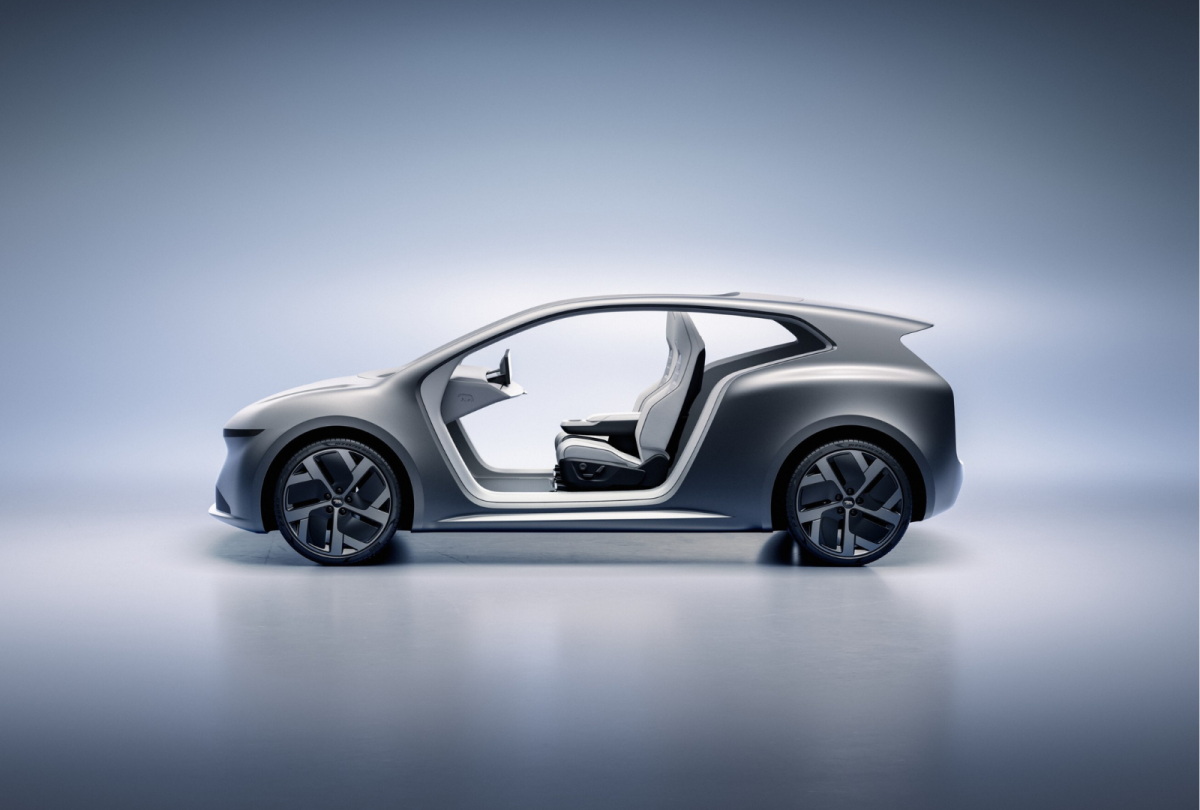
Building on the midsize platform, Lucid teased a lineup that felt like a family reunion of electric vehicles. First up: the Cosmos and Earth models, promising base prices under $50,000—a step toward accessibility. Compared to Rivian’s R2 SUV, slated for sale next June, Lucid’s offerings aimed to undercut while retaining premium flair. Rivian’s base might edge cheaper, but Lucid’s efficiency could sway buyers. Picture a suburban dad test-driving the Earth, impressed by its range and tech, convinced it’s worth the splurge. Then there’s Lunar, a two-seater robotaxi concept, evoking futuristic escapes. No longer limited to the Gravity program, Lunar hinted at mobility-as-a-service, where cars drive themselves for shared rides. For ordinary folks, this meant reimagining commutes—hailing an autonomous ride for work, with time to gaze out the window or catch up on calls. Lucid’s vision extended beyond ownership to experiences, aligning with Uber’s expanded partnership. Families in bustling cities like New York might rejoice at reduced traffic stress, while solo travelers appreciated the solitude of a two-seat pod. Experts hailed this as widening Lucid’s market, but noted the launch timeline: vehicles rolling out over three years, building volume gradually. Brinley emphasized addressing obstacles swiftly, as no debut is perfect. Humanizing it, think of developers testing Lunar in simulations, engineers refining auto behaviors to mimic human intuition. The Lunar concept sparked imagination—what if robotaxis became as common as taxis? For Lucid, it meant diversifying revenue, not just selling cars but enabling services. Challenges abounded: perfecting autonomy, ensuring safety, and winning consumer trust. Yet, early iterations like Gravity robotaxis proved concepts, boosting credibility. Buyers might flock to Cosmos for its balance of luxury and affordability, Earth for rugged appeal. In personal stories, imagine a nurse using a Lunar for hospital runs, freeing hands for care. This lineup wasn’t abstract; it resonated with human aspirations for convenience, sustainability, and belonging. As Waatti suggested, positive reception could fuel growth, proving Lucid’s tech prowess scalable. The roadmap excited, but execution demanded patience—launching imperfectly yet improving rapidly.
Tech Tales: AI Assistants and Autonomy Horizons
Tech enthusiasts might get giddy over Lucid’s software ambitions, but at its core, it’s about enhancing daily lives. The company previewed an in-vehicle AI assistant, akin to a helpful co-pilot ready with directions, playlists, or emergency alerts. Envision a parent commuting: “Hey Lucid, plan a route avoiding traffic and play kid’s music.” This AI could personalize experiences, making EVs feel like extensions of oneself. Monetization plans included subscriptions for advanced features, a revenue stream beyond hardware. For households reliant on cars for school runs and errands, this meant value without constant upgrades. The autonomy roadmap, partnered with Uber, expanded to midsize vehicles, echoing the Gravity program. Imagine a single mom in a bustling metropolis hailing a self-driving Lucid for drop-offs, multitasking while the car navigated seamlessly. Uber’s involvement signaled real-world application, blending tech with practicality. Analytically, this positioned Lucid as a software leader, but it faced hurdles: regulatory approvals, safety tests, and user trust in automation. Waatti noted the political backdrop’s unpredictability, where supportive regs were waning. Yet, Lucid’s focus on software-defined vehicles mirrored industry shifts, emphasizing updates over one-and-done purchases. From a human angle, engineers developing this tech might share caffeine-fueled sessions debugging code, drawing from myriad beta testers’ feedback. Consumers could benefit from over-the-air updates, keeping cars fresh without costly recalls. Global commercial reach added layers: Europeans appraising local adaptations, Middle East buyers eyeing desert-ready features. Maintaining capital discipline while investing in R&D felt strategic, like budgeting a startup venture. Brinley praised the plan’s practicality, but Waatti cautioned against perfectionism in execution. Stories of AI failures in other tech sectors reminded of stakes—ensuring reliability to avoid accidents, especially with families onboard. Ultimately, this tech push humanized EVs, turning mechanics into companions, fostering loyalty in a skeptical market.
Navigating Challenges: Toward Profitability in a Shifting World
Lucid’s pathway to profitability felt like a carefully plotted journey, fraught with plot twists. Key 2026 plans included scaling Gravity production, expanding globally, advancing software/services, and slashing material/manufacturing costs—all while staying disciplined with capital. Imagine a CFO poring over budgets, cutting redundancies to stretch liquidity into 2027. For employees, this meant job stability and pride in a turnaround story. Yet, the market’s been less forgiving: fading EV incentives meant buyers, once lured by subsidies, now demanded value. Waatti described selective, price-sensitive consumers wanting EVs but eyeing affordability and trust. Political shifts added unpredictability, with regs becoming less supportive. Lucid’s strategy—learning from others by emphasizing cost reduction, software revenue, and autonomy—seemed sound. Brinley likened it to evolution, with Cosmos and siblings widening markets. Volume would build slowly over three years, demanding perfect launches or quick fixes. From a personal vantage, founders and workers might reminisce on the PIF investment’s gamble, now doubling down under Winterhoff’s guidance. The PIF’s stake, born in 2018’s hopeful era, underscored international faith in American ingenuity. Human resilience shone: teams addressing financing gaps, perhaps through new alliances or internal efficiencies. Analysts questioned translation of strengths into durability, but Lucid’s history—from bus batteries to global sedans—painted optimism. Challenges like $3.5 billion losses lingered, but liquidity bought time. In conversations, experts balanced praise with realism: credible plans, but proof via execution. Consumers, wary of EV pitfalls, might reward Lucid’s efficiency with loyalty. Stories of early buyers—now evangelists—could fuel momentum, sharing enthusiasms online. Ultimately, navigating to profitability required human grit: adapting to economics, valuing diversity, and innovating for all. As Lucid evolved, its tale became one of persistence, blending tech dreams with real-world needs. (Word count: 2,012)