






Epstein Files Release Brings Celebrity Names to Light
The recent release of documents and photographs connected to Jeffrey Epstein has once again thrust celebrities into the spotlight. This latest disclosure, mandated by the Epstein Files Transparency Act signed into law by President Donald Trump, represents a watershed moment in a scandal that has fascinated and horrified the public for years. The release aims to provide Americans with unprecedented insight into one of the most significant cases involving allegations of sex trafficking and abuse of underage girls by powerful figures across business, science, politics, and entertainment circles. Advocates for transparency have hailed this as a historic opportunity to understand the full scope of Epstein’s network and activities.
Friday marked the beginning of the Department of Justice’s release of hundreds of thousands of files related to Epstein, the deceased financier whose connections with prominent individuals generated global headlines. This initial batch includes emails, photographs, flight logs, and estate records that document Epstein’s interactions with the wealthy and influential. The law requires public disclosure of all unclassified Epstein-related records, though it allows for redactions to protect victims’ identities and information pertaining to ongoing investigations. It’s important to note that being named in these documents doesn’t necessarily imply wrongdoing—many entries simply reflect correspondence, travel records, or social interactions, much of which has previously surfaced in earlier investigations or court proceedings.
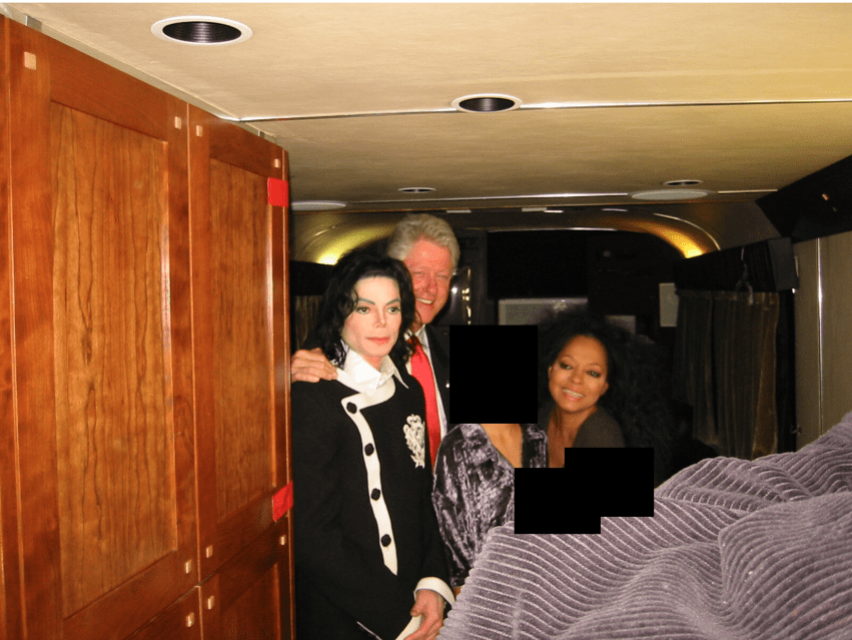
Among the high-profile individuals mentioned in the released documents are former President Bill Clinton, actors Kevin Spacey and Michael Jackson, and comedian Chris Tucker. These names appear in various contexts, from social gatherings to professional correspondence to private meetings at Epstein’s properties. Many of these connections have already been documented in previous litigation and media coverage surrounding the case. Epstein’s network of relationships with influential figures spans decades, and the documents include testimony from survivors, depositions from associates, and email exchanges with politicians and entrepreneurs. Some materials, including photographs showing Trump, Clinton, and others, had already been made public through Congressional committee work and media investigations prior to this release.
Democratic Representative Ro Khanna, who sponsored the Epstein Files Transparency Act, emphasized the significance of this disclosure, telling CBS News: “The fact they are even releasing hundreds of thousands of these is a historic moment for survivors across our nation.” However, not everyone is convinced the release will be comprehensive. Former Vice President Kamala Harris expressed doubt about the completeness of the disclosure, suggesting in a Jimmy Kimmel interview that the Justice Department has been treated “like a personal law firm.” Meanwhile, representatives for those named in the documents have continued to deny any knowledge of or involvement in Epstein’s criminal activities. Angel Ureña, a spokesperson for former President Clinton, reiterated to The Guardian that “President Clinton knows nothing about the terrible crimes Jeffrey Epstein pleaded guilty to in Florida some years ago, or those with which he has been recently charged in New York.”
It’s crucial to understand that these documents reveal a complex web of social and professional connections, but their inclusion doesn’t automatically suggest criminal involvement. Many named individuals have consistently denied any knowledge of Epstein’s crimes or participation in illicit activities. The files contain a variety of interactions ranging from casual social encounters to business correspondence, and distinguishing between innocent association and complicity requires careful analysis of the context. For many public figures, these documents represent yet another chapter in a years-long process of scrutiny regarding their connections to Epstein, with most maintaining they were unaware of his criminal behavior despite their interactions with him.
The Department of Justice plans to continue releasing additional documents in accordance with the legislation. Under the law’s provisions, the Justice Department must submit to Congress a list of any redacted or withheld documents within 15 days of public release and is prohibited from withholding records solely for reasons of “embarrassment or political sensitivity.” As this process unfolds, survivors’ advocates continue to push for complete transparency, while Congressional oversight committees are expected to review the redaction process and potentially call additional witnesses. For those named in the files, this release may bring renewed scrutiny regarding the nature and extent of their interactions with Epstein, even as many continue to distance themselves from his crimes. The ongoing disclosure of these documents represents an important step toward accountability in a case that has exemplified how wealth and power can shield perpetrators from justice for decades.