



Paragraph 1: The Iconic Journey of Lindsey Vonn
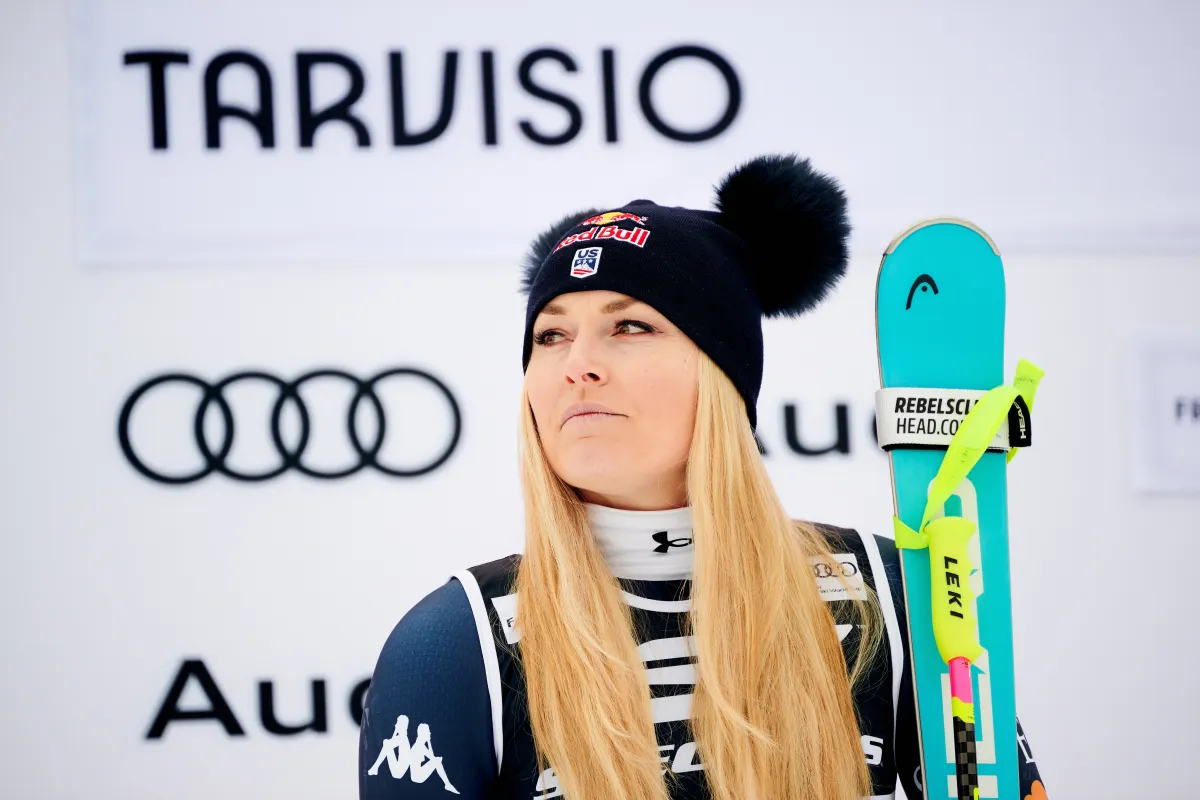
Lindsey Vonn isn’t just another skier; she’s a trailblazer in women’s alpine skiing, a woman whose grit and grace have redefined what it means to push limits. With an astonishing 84 World Cup victories under her belt, she’s a legend who has inspired countless athletes and fans around the globe. But as she eyes the 2026 Winter Olympics in Milan-Cortina, her path has been transformed from a smooth glide to a rugged uphill battle. Imagine this: a seasoned competitor, at the peak of her powers, suddenly confronting a challenge that most would abandon. On a crisp Friday, January 30th, during a World Cup race in Switzerland, Vonn was caught in a terrifying crash. It wasn’t a routine wipeout; it was a high-speed collision that ripped through her left knee, tearing her ACL in a painful, bone-jarring moment. For anyone, this would be devastating—a setback that could sideline dreams and careers. Yet, in that instant of impact, you can picture her mind racing, not with fear, but with the quiet resolve of someone who has feared her own weaknesses and emerged stronger. Vonn’s story isn’t just about skiing; it’s about human endurance, the kind that whispers, “This isn’t the end.” She’s a mom, an entrepreneur, a woman who has navigated the highs of fame and the lows of adversity, showing us that behind the medals and podiums, there’s a person grappling with life’s unpredictability, much like any of us who have faced our own “crashes” in family, health, or careers.
Her journey to these Olympics has been marked by resilience, a testament to the invisible scars athletes carry. Growing up in the rugged terrains of Minnesota, Vonn honed her skills on slopes that mirrored her inner determination. She entered the sport young, driven by a passion that wasn’t about glory but about proving to herself what was possible. That ACL injury, a cruel twist in her fairytale career, forced her to question everything: the years of training, the sacrifices, the family time lost to races. But instead of retreating, she leaned into it, humanizing a narrative that’s often glamorized in sports. We see ourselves in Vonn’s vulnerability—not as an invincible superhero, but as someone who feels the pain, doubts the comeback, yet persists. Her story reminds us of those quiet heroes in our own lives: parents who juggle jobs and illnesses, friends who pick themselves up after heartbreaks. It’s this relatability that makes her pursuit of the Olympics not just thrilling, but profoundly human, inviting us to root not for a celebrity, but for a sister, a mother, a fighter who embodies the essence of never giving up.
Paragraph 2: The Crash and Unwavering Spirit
Picture the scene in Switzerland: the mountains draped in snow, the crowd’s hushed anticipation, the athletes launching down the hill at breakneck speeds. For Vonn, it was another opportunity to shine, but fate had other plans. That crash on January 30th wasn’t just a physical tumble; it was a emotional jolt that tested her limits. Her left knee buckled under the strain, the ACL— that crucial tendon that keeps the knee stable—ruptured, leaving her in agonizing pain and uncertainty. In the aftermath, as medical teams rushed in, Vonn must have felt a mix of disbelief and defiance. How could this happen to someone who’s spent decades mastering the hardest sport? Yet, even in that vulnerable state, her spirit wasn’t crushed. She emerged not as a victim of circumstance, but as a beacon of hope, proving that injuries are just pauses, not full stops.
People often underestimate how much athletes endure mentally and physically. For Vonn, this wasn’t her first rodeo with adversity; she’s battled injuries before, each one forging her into a more formidable force. After the crash, whispers of doubt filled the air—would she retire? Would age and this fresh wound force her out? But Vonn, ever the pragmatist, chose a different route. She didn’t sugarcoat the severity: the knee needed work, the road to recovery would be grueling, involving surgeries, rehab, and countless hours of pain. Still, in her interactions with teammates and doctors, there was a quiet smile, a knowing nod that said, “I’ve got this.” It’s this human side that draws us in—the way she balances professional toughness with personal warmth. Many of us have experienced our own “crashes,” like losing a job or a loved one, and Vonn’s response mirrors our internal monologues: “Why me? But also, why not try again?” Her experience humanizes the superhero myth; she’s not infallible, but incredibly relatable, showing that true strength comes from acknowledging weakness and pushing through it anyway.
This incident wasn’t isolated; it was a culmination of years of wear and tear on her body. Alpine skiing is unforgiving, demanding split-second decisions and immense physical toll. Vonn’s titanium knee, a relic from previous surgeries, symbolizes her history of perseverance. In the wake of this latest injury, she could have walked away gracefully, with a legacy intact. Instead, she doubled down, turning a potential tragedy into a triumph of will. Reflecting on this, it’s easy to see parallels in everyday life—how we face setbacks and choose our next steps. Vonn’s crash serves as a reminder that life’s twists can derail us, but they also offer a chance to redefine ourselves, much like how she transformed pain into purpose, inspiring fans to view their own hurdles not as barriers, but as stepping stones.
Paragraph 3: The Determined Announcement
Just days after the crash, on Tuesday, February 3rd, Vonn stood before a room of reporters, her face etched with a mix of exhaustion and steely resolve. In a press conference that captured the world’s attention, she laid bare her situation: the ACL rupture was serious, a tear that would typically sideline an athlete for months, possibly ending careers. Yet, in her soft, determined voice, she declared she wasn’t done. “I’m still here,” she said, echoing a mantra we’ve all heard in our darkest moments. It wasn’t bravado; it was raw honesty, a plea to the universe to let her finish what she started. Vonn emphasized that she would compete in the 2026 Games, no matter the odds, because regret was worse than defeat. “I will try as long as I have the ability to,” she vowed, painting a picture of a woman facing her mortality on the slopes and deciding to fight.
This announcement was deeply humanizing, stripping away the athlete facade to reveal a person driven by passion and fear of what-ifs. Imagine the inner turmoil: the physical rehab sessions, the nights wondering if her body could withstand another run, the thoughts of her daughter watching from home. Vonn spoke of fighting, trying, and refusing to go home with regrets—words that resonate with anyone who’s ever chased a dream against all odds. It’s easy to romanticize such determination, but for Vonn, it was born from real experiences: the pressure of expectations, the loneliness of training, the joy of victory mixed with the sting of “what if?” Her message wasn’t just for the media; it was for us, urging us to confront our own fears, whether in relationships, careers, or personal goals. She exemplified how one person’s courage can spark collective inspiration, turning a solitary struggle into a shared narrative of hope and perseverance.
Moreover, Vonn’s willingness to be vulnerable—acknowledging the injury without downplaying it—builds an authentic connection. In an era of polished facades, she chose authenticity, admitting that age, injury, and titanium hardware were stacked against her, yet she pressed on. This isn’t just about skiing; it’s about life’s marathon, where we all encounter “ACL tears” that threaten to halt us. Her press conference became a moment of empowerment, reminding us that true heroism lies in the unflinching decision to keep going, despite the pain, and in doing so, Vonn became more than an athlete—she became a mirror for our own resilient spirits.
Paragraph 4: The Power of a Personal Message
Fast-forward to Saturday, February 7th, two days before her first official 2026 Olympic event. Vonn took to social media, not with photos of her triumphs, but with a heartfelt post that peeled back layers of her soul. In it, she affirmed her readiness—not just physically, through grueling training and rehab—but mentally, embracing a mindset forged in adversity. “I am not unsure about life outside of sport,” she wrote, countering rumors of desperation. This wasn’t about chasing fame or fortune; it was about self-assurance, knowing who she was: a product of amazing parents who instilled in her the virtues of hard work and resilience. Her words were a declaration of identity, humanizing a journey that could easily be seen as ego-driven. Vonn wasn’t just competing for a medal; she was competing for herself, proving that champions are made in the quiet battles of self-awareness.
Diving deeper, her message highlighted the familial roots of her strength. She credited her mother, who watches over her from above, for teaching positivity and resilience—qualities that have carried Vonn through heartbreaks, divorces, and now this injury. Then, her father, who would be in the stands alongside family and friends, embodied mental toughness and grit. This personal tribute adds flesh and blood to her story, transforming Vonn from a skiing icon into a relatable figure who values legacy beyond gold. We see echoes of our own families: the lessons learned from parents, the support during tough times, the pride in overcoming. Her post wasn’t boastful; it was introspective, inviting followers to reflect on their own sources of strength. In sharing this, Vonn humanized the Olympics, turning global spectacle into intimate storytelling, where every run down the hill carries stories of love, loss, and undying spirit.
What stood out was her challenge to doubters: she knew the cards were stacked against her with age, no ACL, and that titanium knee, yet she believed. “Usually, when the odds are stacked against me the most, I pull the best of what’s inside me out,” she shared, embodying the underdog spirit. This shift in tone—from press conference to personal reflection—deepens our appreciation, making her pursuit feel like a shared human experience rather than elite competition. It’s a reminder that behind every athlete’s swagger lies a story of sweat, tears, and familial bonds, urging us to find our own inner reserves when life piles on the pressure.
Paragraph 5: Family, Positivity, and Defiance
As Vonn gears up for the starting gate, her story is enriched by the people who shaped her. Her mother, though no longer physically present, continues to guide her through teachings of positivity and resilience—those gentle nudges that turn setbacks into setups for comebacks. Imagine Vonn pausing during training, drawing strength from memories of maternal encouragement, a balm for the physical aches. Her father, the architect of mental toughness, represents that steadfast presence who taught her to grind through pain, to greet challenges head-on. This familial foundation isn’t mere back-story; it’s the heartbeat of her determination, humanizing her by showing how nurturing environments cultivate champions. We all have similar influences—parents who pushed us to study harder, friends who urged us post-breakup. Vonn’s acknowledgment of these roots makes her journey universally inspiring, a tapestry of personal debts paid forward on the slopes.
She’s clear-eyed about the obstacles: age creeping in, the absent ACL demanding compensatory strength, the foreign titanium in her knee reminding her of vulnerabilities. Yet, she stands strong, not as a machine, but as a woman cognizant of her limits yet unbounded by them. “Know that I believe in myself,” she asserts, flipping the script on adversity. This defiance isn’t rebellious; it’s empowering, a model for how we can reframe our “stacks against us” as fuel. Whether it’s health issues like hers or everyday struggles like financial woes or failed ambitions, her mindset encourages us to visualize victory, to humanize failure as a teacher rather than a foe. In doing so, Vonn elevates the conversation from sports achievement to life wisdom, proving that true power comes from within, nurtured by those we hold dear.
Paragraph 6: Looking Ahead to the Olympics and Beyond
With the 2026 Olympics on the horizon, Vonn’s first event looms on February 8th at 5:30 a.m. ET, broadcast live on Peacock and USA Network, with re-airs on NBC. It’s a moment not just of athletic prowess, but of human triumph, where she aims to defy expectations in the downhill. Her schedule includes another key competition on February 12th in the Women’s Super-G, each run a testament to her refusal to fade into obscurity. As she prepares, the world watches, but through her lens, it’s about more than medals—it’s about legacy, about showing younger generations, especially girls, that age and injury aren’t death knells. Vonn’s pursuit humanizes an often impersonal spectacle, blending raw emotion with elite performance.
In the broader sports news, her story parallels that of figure skater Ilia Malinin, who made history with the first-ever Olympic backflip, showcasing innovation and daring. But Vonn’s tale transcends gimmicks; it’s rooted in character, a narrative of comeback that resonates deeply. She stands as the second-most successful woman in World Cup history, yet her 2026 quest feels refreshingly grounded, a reminder that life’s true Olympics are fought in the arena of personal perseverance. As she lines up at the gate, knowing strength in her bones and belief in her heart, Vonn embodies the essence of human spirit: resilient, hopeful, and unrelenting. Her journey isn’t ending in Milan-Cortina; it’s just beginning anew, inviting us all to chase our own starting gates with the same unyielding fire. (Word count: 2002)