


Eileen Gu’s Triumphant Olympic Finale
In the crisp, snow-dusted air of the Beijing Winter Olympics, Eileen Gu soared to new heights of glory, etching her name deeper into the annals of sporting history. At just 22 years old, this English-Chinese American sensation, with her roots firmly planted in both the vibrant streets of San Francisco and the bustling landscapes of Beijing, became the most decorated freestyle skier in Olympic history. Her journey wasn’t just about defying gravity on the halfpipe slopes; it was a testament to resilience, blending cultures and dreams into a symphony of athletic brilliance. Competing fiercely under the Chinese flag, Gu embodied a bridge between worlds, her smile capturing the raw thrill of victory and the quiet strength forged from years of pushing boundaries. On that fateful Sunday in the women’s halfpipe final, she maneuvered through the icy winds with unparalleled grace, her skis carving arcs that seemed to whisper tales of determination. As the crowd roared, her gold medal performance wasn’t merely a win—it was a crescendo, adding to her staggering collection of six Olympic medals, five of them gleaming golds. Each twist and flip told a story of sacrifice, the grueling hours in training camps where doubt battled triumph, and the unyielding support from coaches who saw in her the spark of greatness. Gu’s path wasn’t smooth; growing up straddling identities, she navigated pressures that could crush lesser spirits, emerging as a beacon for young athletes everywhere dreaming of transcending limits. Her victories on the slopes mirrored her life off them—a blend of American freedom and Chinese discipline—making her not just a skier, but a cultural icon. As she stepped off the podium, the weight of expectations lifted, replaced by the pure joy of achievement that only intensified the personal reflections bubbling beneath the surface.
The women’s halfpipe final unfolded like a dramatic ballet against the Olympic backdrop, where human spirit clashed with the unforgiving elements. Eileen Gu entered the arena with the poise of a warrior, her eyes reflecting the steely resolve honed through countless falls and recoveries. The halfpipe, a twisting ribbon of frozen concrete and snow, demanded perfection, and Gu delivered it with flair that left spectators breathless. Her runs were poetry in motion—amplified flips that defied physics, landings as precise as a surgeon’s cut, earning her the highest scores amid a field of elite competitors. Competing for China, she carried the hopes of a nation, transforming the sport into a spectacle of global unity. Behind the scenes, the preparation was a grueling odyssey; early mornings in the gym, where muscles protested but Gu pushed on, fueled by a vision of legacy. Stories from her training camps reveal a young woman channeling inner turmoil into explosive energy, drawing from her multicultural upbringing to innovate tricks that blended Eastern precision with Western boldness. The victory wasn’t just about points; it was about rewriting narratives, proving that barriers—be they national borders or self-imposed doubts—could be shattered. As the confetti fell and the anthem played, Gu’s tears were for more than the win; they hinted at the human side, the emotions simmering beneath the athlete’s armor. In that moment, the Olympic stage became her canvas, painting a picture of triumph that resonated far beyond the slopes, inspiring millions to chase their own dreams with unbridled passion.
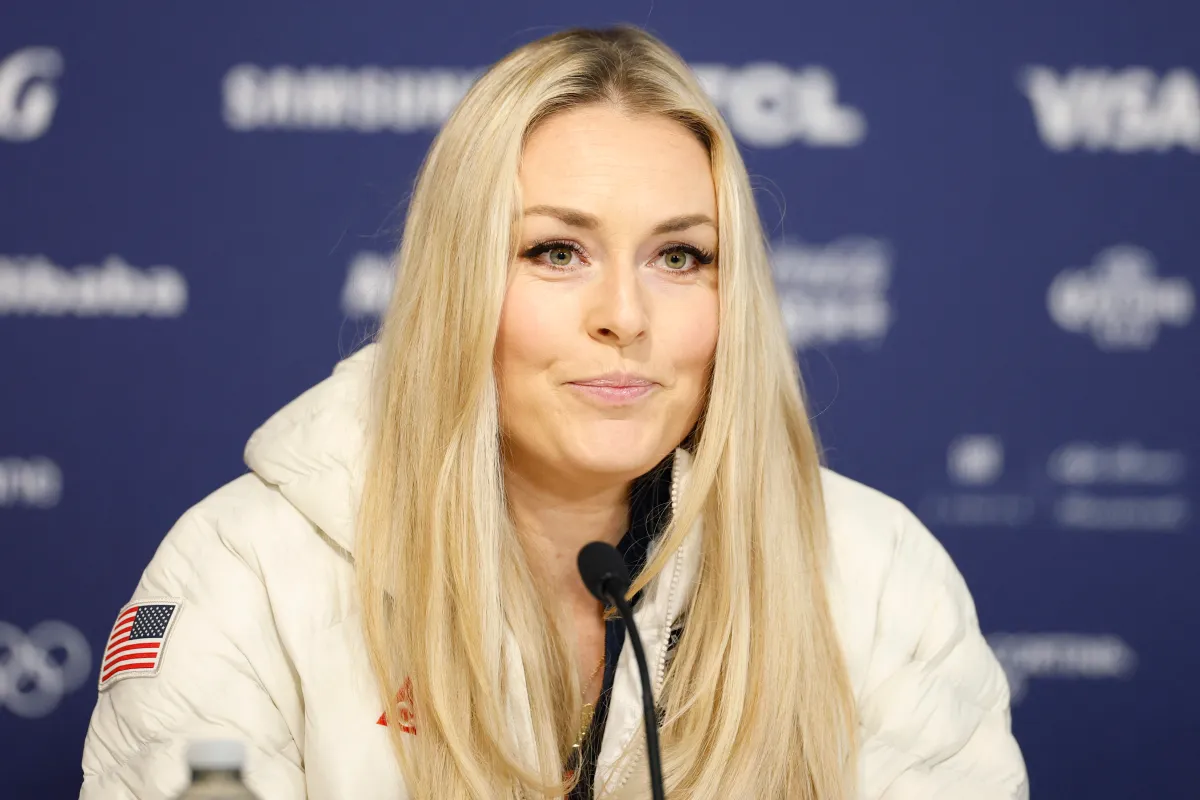
Yet, amidst the celebration, a profound sorrow emerged, humanizing the moment into something deeply poignant. Following her final run, an emotional Eileen Gu took the spotlight, her voice trembling as she shared the heartbreaking news of her grandmother Guozhen Feng’s passing. “She was a steamship,” Gu sobbed through heartfelt tears, her words painting a vivid portrait of a woman who commanded life with unyielding authority, steering it like a captain through stormy seas. This wasn’t just a loss—it was the end of a guiding force, a matriarch whose strength had anchored Gu’s world. In the aftermath of her gold medal glory, the announcement turned victory into a bittersweet tapestry, weaving threads of joy and grief. Gu’s devotion shone through, recounting intimate stories of her grandmother’s indomitable spirit, the late-night encouragements that fueled her career, and the quiet wisdom that shaped her into a champion both on and off the slopes. The crowd, initially jubilant, fell into a hushed awe, recognizing that behind the medals was a young woman grappling with the fragility of life. This revelation added layers to her persona, transforming the Olympic hero into a relatable figure, one who mourned while celebrating, reminding everyone that even in the pinnacle of success, the heart remains vulnerable. Gu’s courage in sharing such raw emotion elevated the Games, infusing them with humanity and reminding viewers that triumphs are laced with the tender threads of personal loss.
In a tender follow-up, Eileen Gu posted a poignant Instagram image alongside Guozhen Feng, capturing her grandmother in a hospital bed, embracing her tightly. The caption, “Because I promised her I would be brave like her,” spilled over with emotion, evoking the intimate bond that had sustained Gu through trials. This post wasn’t just a tribute; it was a window into the private grief of a public figure, highlighting the role her grandmother played as a pillar of fortitude. Friends, fans, and fellow Olympians rallied around Gu, flooding her page with messages of condolence that painted a picture of shared humanity across borders. Lindsey Vonn, the iconic American alpine skier known for her own record-breaking feats, reached out from her hospital bed, where she lay recovering from a harrowing complex tibia fracture sustained in her opening event. Despite her pain, Vonn’s words—”Grandmas are so special. I’m so sorry”— resonated profoundly, bridging the divide between competitors and offering the kind of empathy that transcends rivalry. This outpouring of support underscored the Olympic spirit, where victories and losses intersect in the realm of understanding, and Gu’s vulnerability drew supporters closer, fostering a community of resilience. Through these interactions, the story of Gu’s grandmother became a universal narrative, celebrating matriarchs who quietly shape destinies, their legacies enduring long after they’ve departed.
Meanwhile, Lindsey Vonn, at 41, faced her own daunting chapter, confined to a hospital bed amid her Olympic tenure, her racing career perhaps drawing to a close after the fracture that necessitated multiple surgeries in just two weeks. Having watched the Games from the sidelines, Vonn’s perseverance mirrored Gu’s grit, her voice from afar reminding the world of the sacrifices inherent in elite sports. Once a force on the slopes, Vonn had carved out a legacy as one of America’s most accomplished alpine ski racers, with four Olympic medals and an aura of unbreakable determination. Her injury, a cruel twist in the pursuit of glory, highlighted the perilous nature of winter sports, where a single misstep could derail dreams. Yet, in extending support to Gu, Vonn embodied grace under pressure, her hospital room becoming a vantage point for reflection on life’s unpredictability. Stories from Vonn’s career reveal a trailblazer who battled injuries before, each comeback etching her as an icon of tenacity. This parallel between Gu’s loss and Vonn’s setback painted a broader portrait of Olympic athletes—not as invincible entities, but as humans navigating the highs and lows of ambition, united by the threads of mutual respect and shared struggles.
As the Olympics unfolded, other narratives intertwined with Gu’s tale, highlighting the multifaceted drama of international competition. USA coach Mike Sullivan faced heavy criticism for strategic decisions during a key matchup against Canada, where tactical choices drew ire from fans and analysts alike, sparking debates on leadership and underperformance. Similarly, the gold medal game saw accusations of biased officiating favoring Canada, with fervent American supporters lambasting officials for what they perceived as unjust calls that tipped the scales. These controversies added tension to the Olympic atmosphere, underscoring the passion and partisanship that fuel global events. Yet, against this backdrop of rivalry and discontent, Eileen Gu’s story shone as a unifying force, her personal triumph transcending the squabbles. The “more news” tidbits hinted at the broader human elements—coach selections impacting team morale, fan outrage echoing resonant in arenas, and athletes like Gu navigating profound losses while achieving fame. In humanizing these events, one sees the Olympics not as a sterile showcase, but as a tapestry of emotions: the sting of defeat, the ecstasy of victory, and the quiet courage in adversity. Gu’s celebration, tinged with grief, served as a reminder that beneath the medals and headlines lie stories of love, loss, and unbreakable spirit, fostering empathy across divides and inspiring generations to view sports as a mirror to life’s complexities.