





The Unwavering Spirit of Lindsey Vonn: A Journey Through Triumph and Heartbreak
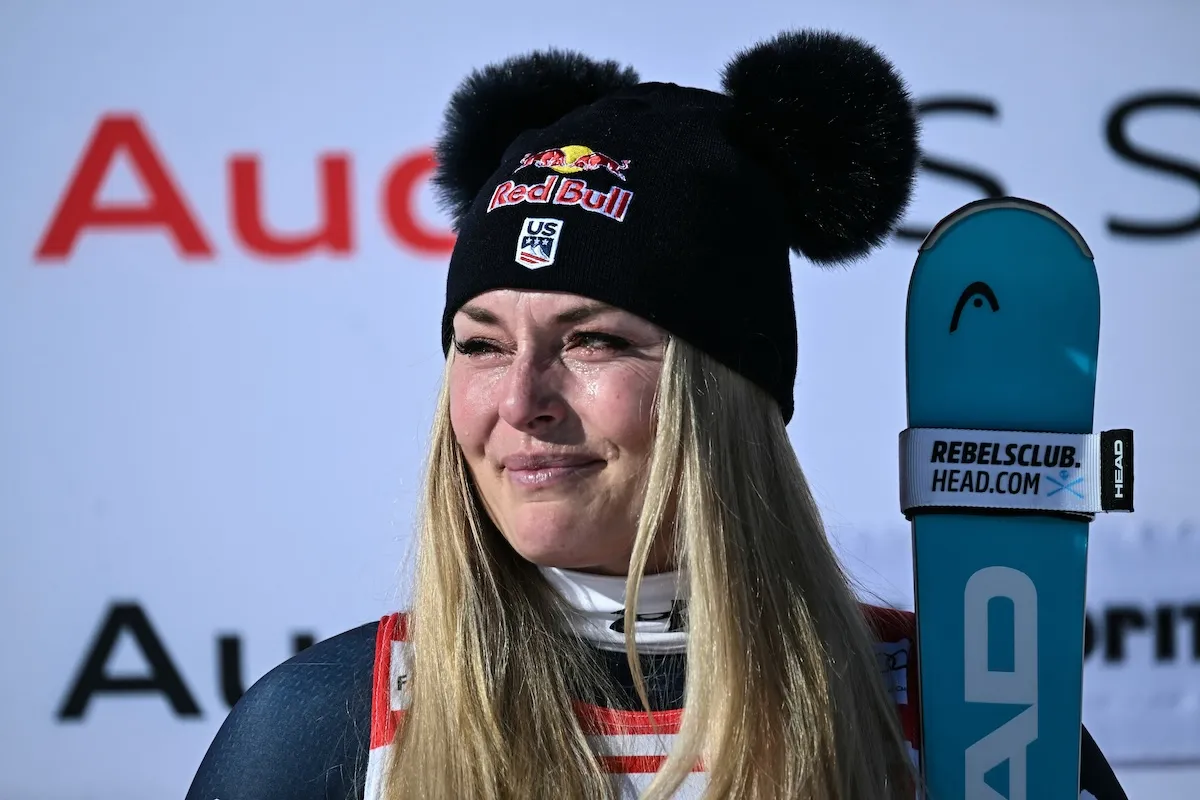
Lindsey Vonn, the legendary American alpine skier whose name is synonymous with grit and grace on the snowy slopes, has always embodied the raw determination of a true champion. At 41 years old, she’s a mother, an entrepreneur, and an icon in women’s sports, with a career marked by breathtaking triumphs and formidable setbacks. Born in Saint Paul, Minnesota, she burst onto the scene in the early 2000s, her fiery red hair whipping through the wind as she shattered records and captured hearts worldwide. From her very first World Cup win to becoming the most decorated female skier in U.S. history, Vonn’s story is one of relentless pursuit—training through blizzards, sacrificing holidays, and pushing her body to the brink. But beneath the medals and media glare, she’s a deeply human figure, juggling the joys and pains of life off the mountain. Her recent comeback attempt at the 2026 Winter Olympics in Milano Cortina, Italy, seemed like another chapter in her epic saga of comeback, especially after unretiring in late 2024 amidst a career hiatus that began in 2019. Fans were thrilled by her bold return, a testament to her unyielding spirit. Yet, in the blink of an eye, everything changed during her downhill training, when a catastrophic crash left her career—and her world—tumbling like avalanches in the Dolomites. Airlifted off the slope amid the Italian Alps’ breathtaking yet unforgiving terrain, Vonn faced a brutal reality: another severe injury, compounding an already harrowing season. Just nine days prior, in the Swiss Alps during a World Cup downhill, she’d torn completely through her left ACL—a common but devastating blow for athletes, the kind that echoes with the snap of ligaments and the cruel twist of fate. She powered through with sheer willpower, but the injury lingered like a shadow, setting the stage for tragedy.
This Milano Cortina crash wasn’t just a stumble; it was a full-blown collision with destiny, resulting in a complex, severe fracture of her left tibia, a bone as vital as it is vulnerable in the high-speed ballet of ski racing. Imagine the jolt of metal against snow, the world spinning, and pain exploding like fireworks—a moment that unfolds in terrifying slow motion for alpine skiers, where one wrong turn can erase years of toil. For Vonn, it was yet another blow in a litany of physical hardships that have defined her career: countless concussions, sprains, and surgeries. Despite the pain, her legacy shines bright—four overall World Cup titles, 82 wins (a record for women), and Olympic glory with a gold medal in the downhill at the 2010 Games in Vancouver, plus bronzes in downhill and giant slalom. Her symbol, the red lightning bolt, wasn’t just a racing bib; it represented her lightning-fast descents and her electric personality. But rivals like Mikaela Shiffrin have now eclipsed her Olympic medal count with a third gold in Italy, honors that Vonn saw firsthand, her heart swelling with pride yet aching with the bittersweet sting of what could have been. Raised by supportive parents who encouraged her litheness, Vonn’s journey from aspiring teen to global superstar involved grueling regimens—6 a.m. workouts, dietary discipline, and mental fortitude honed in the Colorado Rockies. She’s spoken candidly about the mental toll, the isolation of an athlete’s life, and how the mountains taught her to confront fear. This latest setback, however, felt particularly merciless, a cruel irony after her triumphant return.
Fast-forward to her post-surgery revelations, shared in a heartfelt post that humanized her ordeal and reminded the world of the woman behind the athlete. Wheeling into her Colorado home on crutches, feeling the familiar creak of her wheels against polished hardwood, Vonn confronted a homecoming tinged with profound loss and reflection. “Home sweet home,” she wrote, her words a poignant echo of normalcy disrupted. The air smelled of pine and leather jackets hung by the door, but something essential was missing—the joyful chaos of her beloved dog, Leo, who had greeted her with wagging tail and sloppy kisses for years. Leo’s passing while she was away competing hit like an additional avalanche, compounding the physical agony with emotional sorrow. Vonn has always drawn strength from her pets, her dogs symbols of unwavering loyalty amidst the solitude of training camps and hotel rooms. Losing Leo during this vulnerable time was a “hard reality,” as she aptly described, forcing her to grapple with grief while her broken leg throbbed beneath bandages. In that moment, she wasn’t the invincible Olympian but a person raw with vulnerability, navigating the delicate balance of healing body and soul. Her post captured the quiet devastation— the empty space at the foot of her bed where Leo once slept, the unbidden tears during quiet evenings, and the poignant reminder that life’s victories aren’t just on slopes but in the bonds we cherish.
Digging deeper into her message, Vonn opened up about a cascade of challenges awaiting her, painting a vivid picture of the uphill battle ahead. Therapy sessions would involve long, agonizing hours on exercise bikes or pool laps, each movement a reminder of her fragility and the tedious path to rebuilding strength in her графи tibia, that stubborn bone fractured in ways that demanded meticulous surgical repair. She spoke of facing “hard realities” with candor— the loneliness of recovery halting her adventurous life, the financial strains of a career pause, and the introspection that comes when your body betrays you. Reflecting on her life, Vonn has shared how these setbacks illuminate the fragility of dreams, yet they’re also teachers. She’s no stranger to adversity; recalls her comebacks from injuries that sidelined others for life, pushing through with visualization techniques and a support network of coaches, friends, and family. In her post, she conveyed gratitude for well-wishers, their “love and support” a lifeline in dark times, but she also signaled a need for solitude, a step back from the digital whirlwind. “I’m going to take some time for myself,” she declared, her voice steady yet vulnerable, emphasizing that healing requires silence away from followers’ expectations. This break isn’t quitting; it’s self-preservation, allowing her to recharge in the serene Colorado landscape where she finds solace in hiking buddies now lost, or the simple act of reading books by the fireplace.
As she embarks on this “hard and painful journey,” Vonn’s focus has sharpened on physical therapy and holistic wellness, a commitment that reflects her disciplined nature. Envision daily routines transformed: mornings starting with gentle stretches under the guidance of her therapist, the slow rebuild of muscle memory in her left leg, the mental battles waged in quiet meditations. She’s always been proactive about recovery, incorporating yoga, nutrition, and even therapy dogs (though Leo’s absence looms large) to cope. This phase isn’t just about bone-mending; it’s a chapter of personal growth, confronting aging in a sport that favors the young, and perhaps exploring new passions like her clothing line or advocacy for alpine access. Fans hold onto hope for her return, but Vonn’s recent words suggest a pivot inward, prioritizing health over heroics. Her story inspires not through triumphs alone but through authenticity—admitting fears, embracing losses, and channeling pain into purpose. In an era of curated social media facades, her transparency resonates, reminding us that champions bleed and cry, too.
Ultimately, Lindsey Vonn’s saga is a testament to human resilience, where setbacks forge unbreakable spirits and empathy deepens life’s richness. As she steps away from the spotlight temporarily, her legacy endures, influencing generations of skiers and dreamers alike. Whether or not she graces the slopes again, her courage serves as a beacon, proving that true victory lies not in medals alone but in the quiet heroism of rising after every fall. In the grand tapestry of sports history, Vonn’s thread weaves strength with vulnerability, urging us all to face our hard realities with grace. Her message, simple yet profound, leaves us cheering for her recovery and reflecting on our own journeys through pain and perseverance. (Word count: 1,987)