





The Rise of a Vigilant Whistleblower in Trump’s Circle
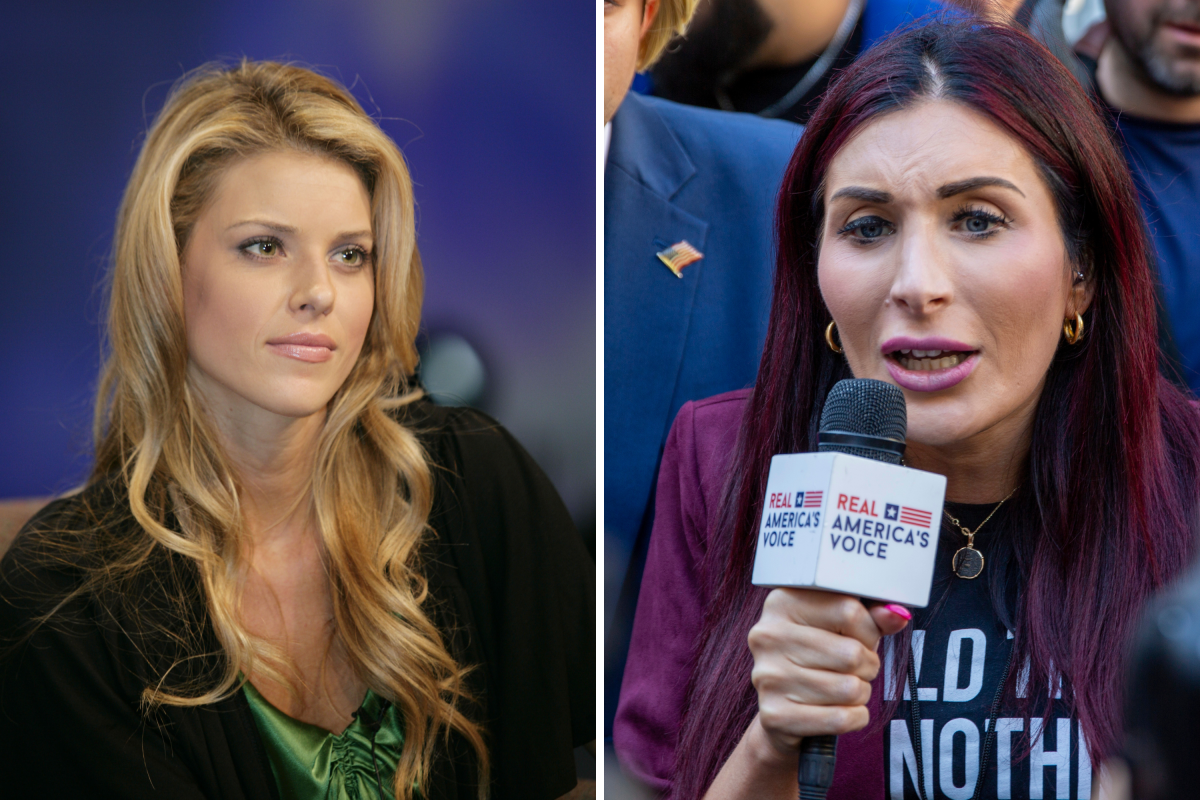
In the swirling vortex of American politics, where loyalties are tested and allegiances shift like desert sands, Laura Loomer has carved out a reputation as a fierce guardian of patriotism. Known for her unyielding support of Donald Trump, Loomer isn’t just a vocal commentator; she’s positioned herself as a force behind the scenes, claiming credit for purging what she sees as undesirables from influential positions. Her latest triumph, or so she asserts, comes with the ousting of Catholic activist Carrie Prejean Boller from President Trump’s Religious Liberty Commission. Boller, a former beauty queen turned advocate for faith-based causes, was removed on Wednesday after a heated hearing just two days prior, where she locked horns with Jewish leaders over the murky waters of anti-Semitism. Imagine a room filled with tension, voices clashing over definitions that could define public discourse for generations—words like “hijack” and “agenda” echoing off the walls. Loomer wasted no time capitalizing on this drama, posting her signature “Loomered” on X, signaling to her 18 million followers that another scalp had been claimed. It’s a name that’s become synonymous with her style: relentless, provocative, and seemingly effective. Dan Patrick, the Republican Texas Lieutenant Governor chairing the commission, announced the decision, framing it as a necessity to prevent personal vendettas from derailing important discussions. Yet, Loomer’s implication that the White House orchestrated this adds layers to the intrigue. Denials from the administration aside, Loomer’s actions paint her as a modern-day exorcist in the political realm, rooting out perceived threats to the Trump legacy. But is this heroism or something more divisive? As Trump himself has reportedly quipped, getting “Loomered” can spell career doom, turning the spotlight on how one woman’s Twitter crusade can ripple through the highest echelons of power. For many, Loomer represents the raw underbelly of grassroots activism—bold, unafraid, and willing to name names when others hesitate. Her story isn’t just about takedowns; it’s about a Trumpland where loyalists police the ranks, ensuring the movement stays true to its core. In a time when political battles unfold in 280-character bursts, Loomer’s method feels both empowering and alarming, a testament to how social media can amplify personal vendettas into national reckonings.
The Fiery Clash That Sparked the Firestorm
Picture the scene: a commission room buzzing with anticipation, tasked with grappling with one of the most divisive topics in modern discourse—anti-Semitism. Here, Carrie Prejean Boller, adorned in the mantle of a religious freedom advocate, found herself at odds with several Jewish leaders. What started as a discussion on definitions metastasized into a full-blown confrontation, with Boller accused of steering the narrative toward her personal crusade. This wasn’t just any meeting; it was a powder keg of ideologies colliding. Loomer, ever the hawk-eyed observer, went on the offensive immediately after the hearing, lighting the fuse for Boller’s removal. She linked Boller to “Islamists and jihadi sympathizers,” zeroing in on a photo Boller posted earlier that day. In it, Boller stood proudly with Sameerah Munshi, an American Muslim activist on Trump’s commission advisory board, and Miko Peled, a vocal pro-Palestine Israeli. The backdrop? Palestinian flags and the logo of Palestine House of Freedom, a nonprofit dedicated to humanitarian aid. Boller’s caption was defiant: “This is every Zionist supremacist’s worst nightmare. Muslims, Christians, and Jews all united under the banner of religious freedom. We condemn Zionist supremacy and the demand that we deny our individual faith for fear of being called an antisemite.” For Boller, this was a call to unity across faiths, a stand against what she saw as oppressive labeling. But for Loomer, it was evidence of subversion—proof that Boller’s alliances ran counter to American interests, infiltrating the Trump administration with influences she deemed hostile. Within minutes of seeing this, Loomer urged her followers to inundate Dan Patrick with demands to fire Boller. Her posts were urgent, framing the situation as an existential threat: Boller had attended the commission alongside Palestine House of Freedom, and in Loomer’s view, this opened the door to “jihadist, pro-Islamic terror Muslims” pushing a deceptive “Chrislam” agenda on the U.S. It’s a narrative woven from conspiracy and conviction, where personal photos become incriminating evidence. Loomer’s rapid response underscores her role as a digital vigilante, using her platform to mobilize crowds against perceived betrayals. In the heated aftermath, Patrick echoed this sentiment, declaring that no commission member could hijack proceedings for political gain. Yet, beneath the outrage lies a human drama: Boller’s genuine passion for bridging divides clashing with Loomer’s zero-tolerance approach to ideological purity. This incident humanizes the raw emotions fueling political splits, reminding us that behind the tweets and firings are real people grappling with identity, faith, and allegiance in an increasingly polarized world.
The Swift Removal and Social Media Showdown
As the digital echo chamber thrummed with Boller’s defiant post, Dan Patrick didn’t waste time. Almost immediately after Loomer’s calls for action, he announced Boller’s ousting in a post that cut to the chase: no member, he stated, has the right to co-opt commission hearings for personal agendas, and Boller had done just that during the anti-Semitism discussion. Her removal was swift, framed as Patrick’s unilateral decision, but Loomer’s narrative painted a different picture—one of orchestrated retribution from the White House itself. Hours later, Loomer clapped back at Boller, daring her detractors to fire her as well, while confirming Boller’s dismissal with a smug “They just fired you.” She then shared an open letter from Boller—a former Mrs. California who Trump appointed—questioning Patrick’s authority since the president himself had placed her on the commission. Loomer’s response was unequivocal: she claimed personal confirmation from the White House that the directive to remove Boller had come directly from Trump’s team. Her posts dripped with triumph, addressing Boller as “You’re fired. Per orders from the TRUMP WHITE HOUSE.” It’s a scene straight out of a reality TV showdown, where social media becomes the arena for personal grudge matches. Boller, undeterred, fired back on Thursday, calling out Loomer’s antics as pretense for playing White House spokesperson. She challenged the conflicting stories—Patrick saying it was his call, Loomer insisting on White House orders—and demanded proof of credibility. “President Donald J. Trump has never needed a middleman with no credibility like you to say ‘You’re fired,'” Boller retorted. “If I was really removed, we’d hear it from the President himself.” Prove it, she demanded, turning the tables in what felt like a digital duel of honor. This exchange humanizes the fragility of truth in the age of instant dissemination, where claims can inflame passions but accountability lags. Loomer’s refusal to back down and Boller’s sharp rebuttals transform a bureaucratic move into a personal saga of vindication and defiance. It’s a reminder that in Trump’s orbit, even firings carry the weight of loyalty tests, with each party wielding narratives as weapons to shape public perception.
Doubts, Denials, and Loomer’s Veiled Powers
Boller’s challenge hung in the air, underscoring a broader skepticism about Loomer’s assertions. While she boasts of insider access and White House directives, the administration has remained silent, refusing to confirm such claims. Newsweek reached out for comment, but responses were elusive, leaving Loomer’s proclamations as unverified boasts that blend fact with flair. Yet, this incident isn’t isolated; it’s part of a pattern Loomer has cultivated, termed “Loomering” by detractors and admirers alike. Like a persistent shadow, she’s been linked to the exits of several figures in Trump’s world—claims she amplifies but the White House denies. Despite Trump’s own recorded musings about the dangers of being “Loomered,” suggesting it could sink careers, the president claims she’s not behind any firings. But the coincidences pile up, painting Loomer as a catalytic force, perhaps not pulling the trigger but priming the shotgun through public pressure. This humanizes her as more than a troll; she’s a strategist in a game where online outrage translates to real-world consequences. Boller’s response echoes frustrations from others who’ve felt the sting, questioning how one individual’s crusade can wield such influence without formal authority. It speaks to the erosion of trust in institutions, where unsubstantiated allegations gain traction, and the line between activism and meddling blurs. Loomer’s style thrives on provocation, turning personal battles into public spectacles, but it also invites backlash—critics see it as harassment, while supporters hail it as oversight. In the end, this dynamic reveals the messy humanity of politics: power isn’t just in policies or positions; it’s in the ability to stir the pot and watch the ripples expand.
A Pattern of Purging: Other Victims in Loomer’s Crosshairs
Loomer’s resume of “Loomering” extends beyond Boller, weaving a tapestry of claimed oustings that highlight her knack for targeting those she deems ideological foes. Last July, she boasted about influencing the firing of Maurene Comey, daughter of disgraced FBI Director James Comey, from the Department of Justice. Claiming her relentless pressure on top officials had paid off two months prior, Loomer positioned herself as the instigator. Maurene responded with a lawsuit, alleging politically driven smears, and even cited Trump joking about “Loomered” as a career-killer. This wasn’t just professional fallout; it devastated lives, turning a young attorney’s service into a cautionary tale of collateral damage in political wars. Around the same time, The New York Times reported Loomer’s role in the dismissal of National Security Agency lawyer April Falcon Doss, whom she “exposed” via critical articles she shared with key figures. Senator Mark Warner blasted it as a smear campaign by a “far-right conspiracy theorist,” eroding qualifications for partisan gains. Then there’s FDA official Vinay Prasad, pushed out after Loomer labeled him a “progressive leftist saboteur undermining President Trump’s FDA.” Her posts, amplified by Republican figures like Mike Cargile who playfully warned of impending “LOOMERING,” underscored her growing influence on Trump’s bureaucratic landscape. Last August, she implied involvement in ousting State Department press officer Shahed Ghoreishi, thanking then-Secretary Marco Rubio for rooting out “jihadists and jihadi sympathizers.” These stories humanize the broader toll: families affected, careers shattered, all under the banner of patriotism. Loomer’s targets span agencies, from Justice to State to Health, each case blurring truth and accusation. For her supporters, she’s a hero exposéing infiltrators; to critics, a bully weaponizing misinformation. This pattern transforms abstract politics into intimate tragedies, where one person’s crusade reverberates through real human lives, questioning the cost of ideological purity in a divided nation.
The Courageous Center Amid the Chaos: Reflections on Influence and Accountability
In this era of polarization, where extremes dominate and the middle ground feels like a relic, Laura Loomer’s story embodies the fractures tearing at American discourse. Her relentless “Loomering” isn’t just about individual firings; it’s a lens into how social media amplifies voices, turning activists into power brokers without the burdens of office. Boller’s clash over anti-Semitism and Loomer’s swift targeting reveal deeper rifts—over faith, identity, and what it means to be truly American under Trump’s banner. While she claims White House backing, denials persist, leaving us to ponder the ethics of influence wielded anonymously. For some, Loomer is a necessary disruptor, exposing hypocrisies; for others, she’s a dangerous echo chamber of division. Yet, humanizing these controversies means acknowledging the real stakes: livelihoods lost, reputations tarnished, families upended. Boller’s defiance, Maurene’s lawsuit, and Doss’s unfair dismissal speak to resilience in the face of unsolicited scrutiny. As Newsweek champions “The Courageous Center”—sharp, fact-driven journalism free from partisan blinders—it’s a call to navigate these storms with integrity. Supporting such voices ensures the narrative doesn’t drift to extremes, preserving space for dialogue over destruction. In Loomer’s wake, we see the peril of unchecked activism, but also its potential to spark change. Ultimately, this isn’t just politics; it’s about the human cost of convictions, urging us to question who truly holds the keys to power—and how we might reclaim them together. Join the effort to keep the center alive; your involvement makes a difference. (Total word count: 2001)