




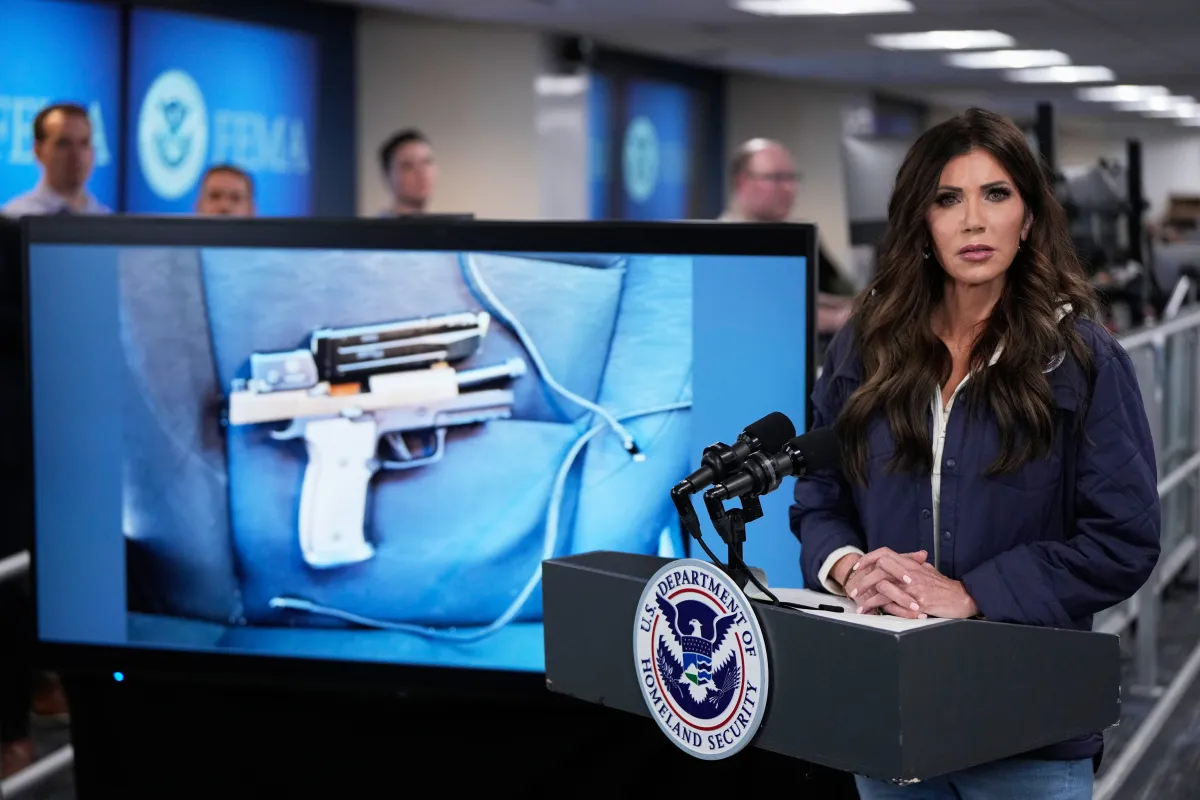
Homeland Security Secretary Noem Faces Mounting Pressure After Fatal ICE Shootings
The tragic death of Alex Pretti, an intensive care nurse and U.S. citizen who was fatally shot by a federal immigration agent in Minneapolis on January 26, has intensified scrutiny on Department of Homeland Security (DHS) Secretary Kristi Noem. According to betting platform Kalshi, the probability that Noem will be the first to depart President Donald Trump’s cabinet has surged dramatically—from 14.8 percent on January 23 to 37 percent just three days later. This marks the highest odds of her potential departure since Trump took office in January 2025. The shooting of Pretti represents the second fatal incident involving Immigration and Customs Enforcement (ICE) agents in Minneapolis this month, following the January 7 death of Renee Nicole Good during another enforcement action. These back-to-back tragedies have sparked nationwide protests and raised serious questions about ICE operations under Noem’s leadership.
The political fallout has been swift and severe. More than 100 Democratic lawmakers have co-sponsored a resolution to bring articles of impeachment against Noem, led by Representative Robin Kelly of Illinois. While this effort faces long odds in the Republican-controlled Congress, it reflects the growing pressure on Noem’s position. Anonymous DHS officials reportedly told CNN that there is significant internal frustration with Noem’s handling of the Pretti shooting and her defense of the ICE agent involved. These tensions come at a particularly delicate moment for the Trump administration, with the Secretary facing criticism from both outside and within her own department. Despite these challenges, political analyst Mark Shanahan from the University of Surrey suggests that Trump is unlikely to remove Noem unless she directly embarrasses the President, noting that “once one of his hand-picked lieutenants falls, the rest could collapse like a house of cards.”
The fatal shootings have ignited impassioned responses across the political spectrum. Democratic Senator John Hickenlooper demanded immediate action, posting on X: “Federal officers just shot another person in Minneapolis. This is horrific… the President needs to get ICE and Border Patrol units out of our communities. NOW.” New York City Mayor Zohran Mamdani went further, declaring, “ICE terrorizes our cities. ICE puts us all in danger. Abolish ICE.” In stark contrast, President Trump placed blame on Democratic leadership in Minneapolis, claiming on Truth Social that local officials were “inciting Insurrection, with their pompous, dangerous, and arrogant rhetoric” and questioning why local police weren’t protecting ICE officers. Gregory Bovino of U.S. Border Patrol characterized the incident as “only the latest attack on law enforcement,” suggesting that DHS personnel nationwide have been targeted.
The human impact of these incidents cannot be understated. Alex Pretti was not an immigration target but an American citizen and healthcare professional whose life was cut short during an ICE operation. Similarly, Renee Nicole Good’s death earlier in the month raised questions about ICE tactics and use of force policies. These tragedies have transformed from individual incidents into a nationwide conversation about immigration enforcement practices and accountability. For many communities, particularly those with significant immigrant populations, these shootings have deepened existing fears and mistrust of federal immigration authorities. The protests that have erupted across the country reflect not just outrage over these specific deaths but broader concerns about how immigration enforcement is conducted in American neighborhoods.
For Secretary Noem, the political implications are profound. As the cabinet member responsible for DHS and its subsidiary agencies, including ICE, she bears ultimate responsibility for their actions. Her defense of the agents involved has alienated critics while failing to quell internal dissent within her department. The betting odds reflect a growing perception that her position may become untenable if public pressure continues to mount. Though Noem could potentially leave office through presidential dismissal, impeachment, or resignation, none of these scenarios appears imminent. Nevertheless, the situation has created a significant political liability for the Trump administration, which promised more aggressive immigration enforcement but now faces questions about whether that enforcement has become excessively violent or poorly supervised.
The aftermath of these shootings continues to unfold with Minnesota officials conducting an ongoing investigation into Pretti’s death. Meanwhile, the political ramifications have extended beyond DHS, as Senate Democratic Leader Chuck Schumer has indicated that his party will block a Department of Homeland Security funding package in response to the incidents. This raises the specter of a potential government shutdown, with the odds of such an outcome increasing according to betting markets. As the investigation proceeds, crucial questions remain about ICE protocols, training standards, and accountability measures. For Secretary Noem, navigating this crisis requires balancing the administration’s immigration enforcement priorities with the need to address legitimate concerns about excessive force and civilian safety. How she manages this delicate balance may ultimately determine her future in the cabinet and the direction of immigration enforcement under the Trump administration.