






Joe Burrow’s Reflection on NFL Career Sparks Conversation About Athlete Well-being
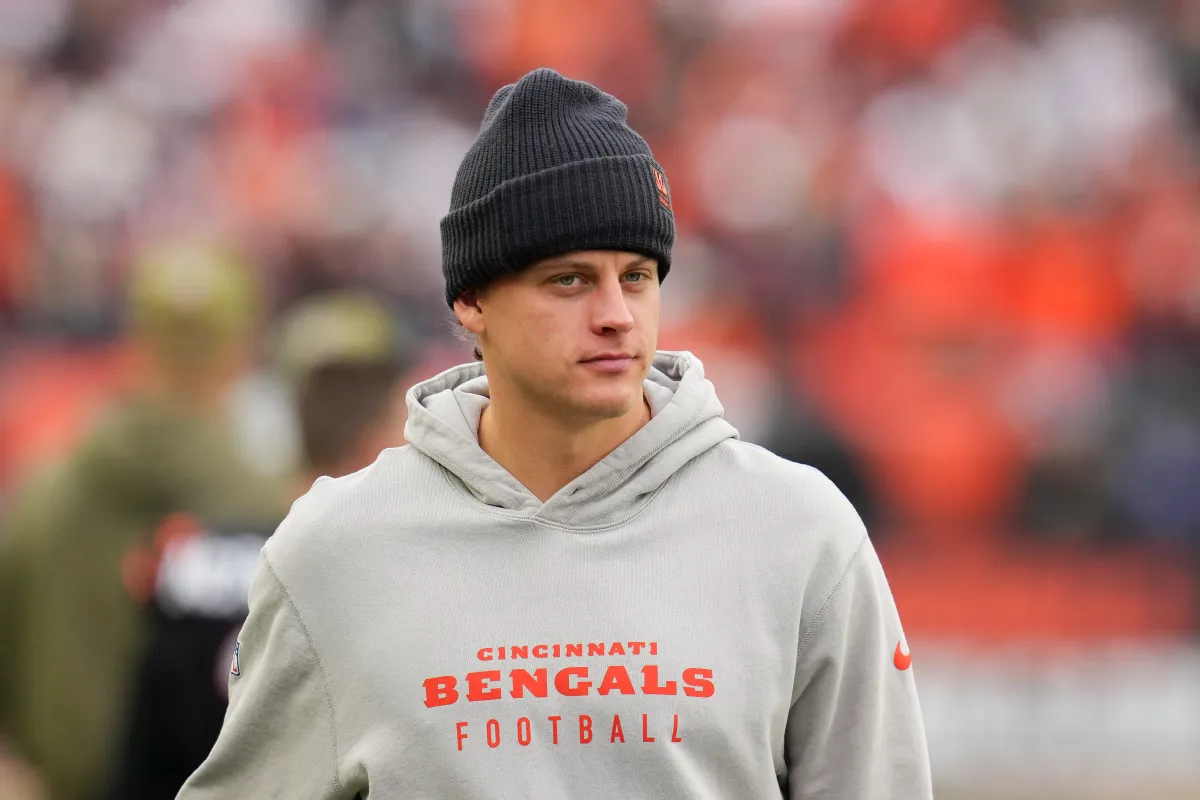
Cincinnati Bengals quarterback Joe Burrow recently made headlines with a candid and introspective press conference that has fans, analysts, and former players talking about the personal toll of professional football. Speaking with unusual vulnerability, the 27-year-old star emphasized the importance of finding joy in the game amid the physical and mental challenges he’s faced throughout his career. “If I want to keep doing this, I have to have fun doing it,” Burrow shared with reporters. “I have been through a lot. If it’s not fun, then what am I doing it for? That is the mindset I’m trying to bring to the table.” These words, coming from one of the NFL’s most promising young talents, have sparked discussions about athlete burnout, career longevity, and the human cost behind the Sunday spectacle millions enjoy from their living rooms.
The timing of Burrow’s comments is particularly noteworthy as he continues to bounce back from multiple significant injuries that have punctuated his professional journey. Since entering the league in 2020 as the first overall draft pick, Burrow has endured a seemingly relentless cycle of recovery and rehabilitation. His rookie season was cut short by multiple ligament tears in his knee. Subsequent years brought training camp setbacks including a calf strain and an unexpected appendectomy. Most recently, a torn ligament in his wrist ended his 2023 campaign prematurely. When asked if he had always approached football with concerns about injury and recovery, Burrow acknowledged a shift in his perspective: “I wouldn’t say I viewed it that way. It’s reflection on a lot of things that I’ve done and been through in my career. I think I’ve been through more than most, and it’s certainly not easy on the brain or the body — so I’m just trying to have fun doing it again.” His words paint a picture of an athlete reckoning with his mortality in a sport where career-altering injuries can occur on any play.
The football world’s reaction to Burrow’s comments has been swift and layered with comparison to other quarterbacks who faced similar crossroads. Some observers immediately drew parallels to Andrew Luck, the former Indianapolis Colts star who shocked fans by retiring at age 29, citing the physical toll and emotional exhaustion from the constant injury-rehabilitation cycle. Others referenced former Bengals quarterback Carson Palmer, whose frustration with Cincinnati’s organization famously led him to threaten retirement before eventually forcing a trade. While Burrow has made no explicit statements suggesting either path, the echo of these precedents has amplified speculation about his long-term future in Cincinnati and in the sport itself. The conversation highlights how fans and media often struggle to reconcile the humanity of players with their expectations for unwavering commitment to the game, regardless of personal cost.
Amid the swirling speculation, Burrow’s mother Robin offered reassurance to concerned Bengals fans during an appearance on a local Cincinnati radio program. “We love the game, and he loves the game,” she told listeners of The KiddChris Show on 102.7 WEBN. “It’s what he loves to do. He loves playing here in Cincinnati and for this city.” Her comments served as a reminder of the familial support system behind professional athletes – people who understand both the passion and the pain that come with pursuing greatness in a physically demanding sport. This maternal perspective provided important context to Burrow’s reflections, suggesting that his comments represent honest introspection rather than a warning sign of imminent retirement or desire to leave the franchise that drafted him first overall in 2020.
The financial reality of Burrow’s situation also provides important context. In 2023, he signed a five-year, $275 million contract extension with the Bengals, a commitment that theoretically keeps him in Cincinnati through 2028. This massive financial investment – among the largest in NFL history – represents both the team’s belief in Burrow’s abilities and creates practical complications for any potential early career change. If Burrow were ever to request a trade, football analysts suggest it would require an unprecedented package of draft picks and players for Cincinnati to even consider such a move. The economic structure of professional sports often creates a complex interplay between personal well-being and contractual obligations that athletes must navigate while managing their physical and mental health.
What makes Burrow’s comments particularly compelling is how they illuminate the human experience behind the helmets and highlight-reel plays. His willingness to publicly acknowledge the mental and physical toll of his NFL journey challenges the stoic, invincible image many professional athletes feel pressured to maintain. In an era where conversations about mental health in sports have gained greater acceptance, Burrow’s candid reflection represents an important contribution to understanding the full experience of elite athletes. As the Bengals’ season continues and Burrow works to recapture the joy that initially drew him to football, his journey reminds us that beneath the statistics, fantasy football points, and championship pursuits are real people weighing personal fulfillment against professional expectations. For a generation of players increasingly willing to prioritize their well-being, Burrow’s honest assessment may signal a cultural shift in how athletes approach their careers and how fans understand the human cost of the games they love.