






American Workers Face Uncertainty in 2026 Job Market
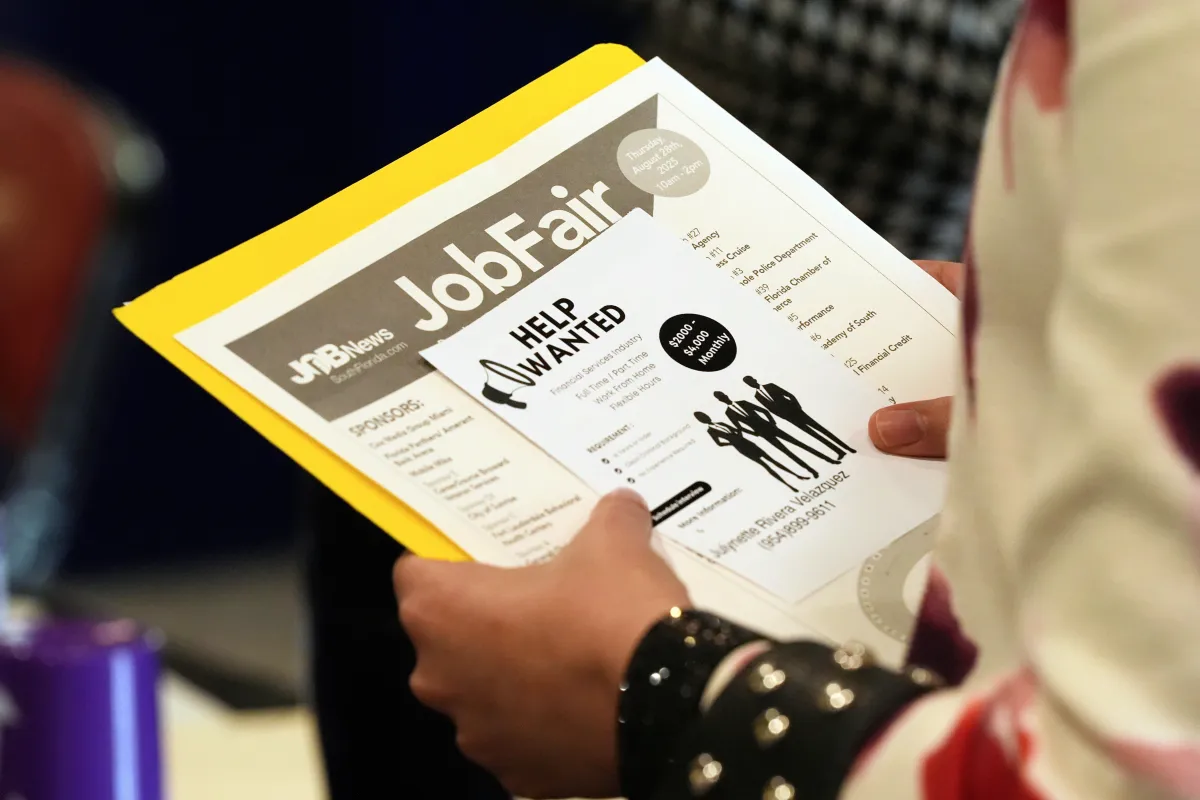
As we enter 2026, American workers are looking at the job landscape with growing apprehension. According to a comprehensive report by Monster.com, confidence in employment opportunities has significantly declined compared to last year. The survey, which polled over 1,500 U.S. workers in December, reveals a striking shift in sentiment: 40 percent of employees now expect the job market to deteriorate in 2026, while another 40 percent anticipate no improvement. This marks a notable decline from January 2025’s outlook, when 46 percent of workers were optimistic about job market improvements. The change reflects a broader concern among American workers who have witnessed months of sluggish hiring and a wave of high-profile layoff announcements that closed out 2025 on a worrying note.
The declining confidence isn’t occurring in a vacuum but against the backdrop of concrete economic challenges. Unemployment has climbed to 4.4 percent according to the latest Department of Labor figures, up from 4.0 percent when President Trump returned to office in January. This uptick, combined with employers’ continued hesitation to expand their workforces, has placed increased scrutiny on the administration’s economic policies. Some analysts warn that without substantial improvements in either economic conditions or how the administration communicates its economic vision, Republicans could face difficulties in the upcoming midterm elections. The economic anxiety reflected in these surveys represents not just statistical changes but real concerns affecting millions of American households wondering about their financial security.
Perhaps most telling is the dramatic drop in job-seeking intentions among workers. Only 43 percent plan to search for new employment in 2026, down precipitously from 93 percent just a year ago in Monster.com’s 2025 WorkWatch report. This retreat from job-hunting doesn’t necessarily indicate satisfaction with current positions but rather suggests a fundamental shift in worker priorities toward stability in uncertain times. As the Monster.com report eloquently puts it, “In 2025, people were willing to test the market, walk away from bad experiences, and bet on change. In 2026, workers aren’t driven by optimism about what’s next, but by realism about what’s sustainable.” This reflects a workforce that has grown wary after witnessing the acceleration of layoffs throughout 2025 and harbors genuine concerns about job security in the year ahead.
The anxiety extends beyond job availability to financial well-being, with 58 percent of surveyed workers worried their salaries won’t keep pace with inflation, currently at 2.7 percent according to the latest government data. Even more concerning, 57 percent report their earnings have already fallen behind rising costs. This squeeze on household budgets comes as layoff announcements continue at troubling levels. December saw U.S. employers announce 35,553 job cuts according to outplacement firm Challenger, Gray & Christmas. While this represented a 50 percent decrease from November, it still marked an 8 percent year-over-year increase and contributed to 2025’s total of 1.2 million layoffs—the highest level since 2020 and the seventh-highest this century. These figures aren’t just statistics but represent real families facing financial uncertainty and difficult transitions.
Looking ahead, American workers appear to be bracing for continued challenges rather than anticipating relief. Over half of those surveyed (52 percent) believe nationwide job cuts will accelerate in 2026, while 41 percent expect them to continue at the elevated rates witnessed throughout 2025. As Monster.com noted in its analysis, “Compared to 2025 when workers were reacting to change with cautious optimism, 2026 shows a workforce that has largely accepted uncertainty as a constant.” This acceptance has led to strategic adaptations—workers are increasingly focused on preservation and planning rather than career advancement, turning to side hustles, skill development, and more selective job searching as protective measures. This isn’t a workforce that has disengaged but one that has become more cautious about its economic future.
Beyond immediate economic concerns, nearly half of American workers (49 percent) express anxiety about artificial intelligence potentially replacing roles in their industry. Aaron Sojourner, senior researcher at the W.E. Upjohn Institute for Employment Research, reinforces this concern, warning that “every sector is at risk for layoffs in 2026” as “unemployment is rising and job growth is slowing broadly across sectors.” He attributes weakening employer demand to “a combination of policy and economic uncertainty, higher taxes on imported inputs, withdrawal of public investments in health care, in medical and scientific innovation, and in the loss of immigrant consumers,” while noting that AI advancements could further impact both hiring and firing decisions in the coming year. As Americans navigate this challenging terrain, they’re increasingly focused not on career advancement but on simply maintaining their economic footing in what promises to be a year of continued adaptation to changing workplace realities.