





The Frustrating Night When YouTube Went Dark
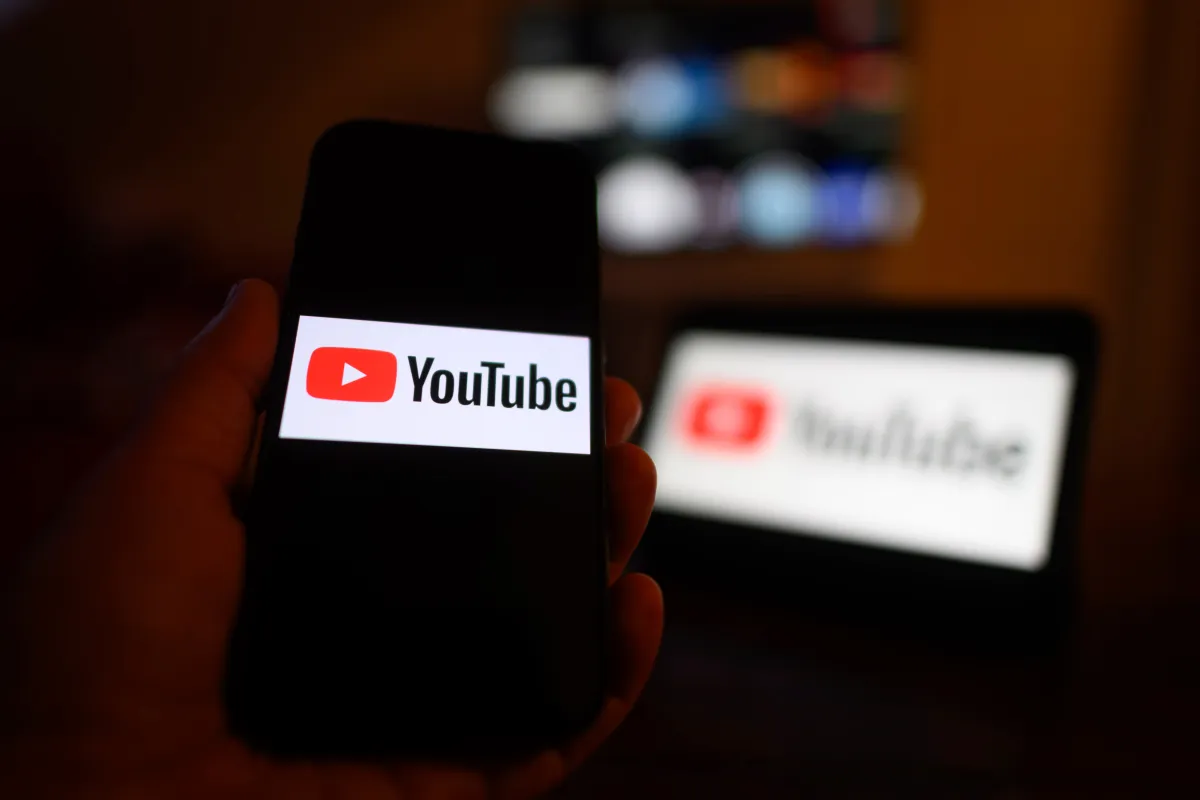
Imagine settling in after work, ready to unwind with your favorite YouTube videos—maybe catching up on the latest news, watching a funny comedy sketch, or streaming a live game on YouTube TV. Then, suddenly, everything goes blank. That’s exactly what happened for millions of users worldwide on Tuesday evening during a massive YouTube outage. The homepage appeared empty, apps showed error messages like “Something went wrong,” and even YouTube Music and Kids versions were hit. It wasn’t just a glitch; reports flooded in from across the U.S.—think New York, Los Angeles, Chicago—and internationally in places like the UK, Canada, Brazil, and Germany. Users were confused and annoyed, with many turning to social media to vent about the disruption that lasted for hours. YouTube, the giant video platform that dominates online entertainment, seemed stunned too, though their team eventually pinpointed the issue: a problem with their recommendations system that blanked out everything from homepages to app feeds. It’s like the brain of YouTube’s algorithm froze, leaving everyone high and dry. As someone who’s ever tried to binge-watch only to hit a buffering error, I can relate—this felt like a dent in our evening routines, reminding us how reliant we are on quick, seamless access to content.
Why This Outage Felt Like a Big Deal
Outages on platforms like YouTube can be more than just a minor inconvenience; they ripple out and affect real people in meaningful ways. During prime-time hours, when families gather for sports highlights, breaking news updates, or entertaining videos, this hiccup threw off schedules big time. Millions turned to YouTube and its TV service for live programming, advertisers pulled their punches as potential views vanished, and creators lost out on audiences and engagement. Think about it—from aspiring musicians hoping to gain followers on YouTube Music to parents relying on YouTube Kids for safe content, everyone’s plans got scrambled. Internationally, it highlighted how interconnected our global viewing habits are, with spikes in complaints in major hubs. As a fan of online video, I’ve seen how these platforms shape our evenings, so when something goes down, it feels personal—like a blackout during a big event. The incident showcased the power YouTube holds, and while it’s a tech stumble, it also underscored vulnerabilities in our digital world, where a single system error can halt entertainment for countless people.
Diving Into the Details of the Chaos
The trouble started brewing around 7:50 p.m. ET on Tuesday, with user complaints popping up like wildfire. Outage trackers like Downdetector captured the frenzy, showing massive spikes in reports from densely populated areas like the D.C. metro, San Francisco, and Phoenix. On websites and mobile apps, folks encountered a eerie blank slate—no videos, no recommendations, just a hollow homepage shell. Mobile users were hit hardest with those generic “Something went wrong” errors, making it impossible to scroll or search. By peak time, the numbers were staggering: hundreds of thousands of U.S. reports alone, with global tallies reaching up to 1.69 million according to some sources like CNET. For example, one outlet noted over 355,000 U.S. complaints by late evening, painting a picture of widespread frustration. It was as if the entire YouTube ecosystem paused, affecting streaming on smart TVs, phones, and gaming consoles. As someone who regularly checks these sites, I imagine the panic—trying to refresh, clearing cache, tweeting for help—all while wondering if it was a personal device issue or a full-blown platform meltdown.
YouTube’s Response and Fix Attempts
About an hour into the mayhem, YouTube’s team sprang into action, announcing on their support channels that they were “investigating” and directing users to a community thread for updates. It was a reassuring move, acknowledging the shared annoyance with a note that you’re not alone—our engineers are on it. Eventually, they revealed the root cause: an issue in the recommendations system that prevented videos from loading on everything from the main site to apps like YouTube Music and Kids. By midnight, they claimed to have “restored service,” with the homepage coming back for most. But it wasn’t a complete victory; they warned of ongoing work to address any lingering bugs, including some users still facing sign-in issues on YouTube TV. Their statement on X (formerly Twitter) kept it real: “our teams are looking into this and will follow up here with updates.” YouTube’s transparency here feels important, as users often rely on these giants for clarity. It reminded me of how companies handle crises—like fixing your own leaky faucet after a flood; they fix what they can but promise more.
Reactions Buzzing on Social Media
The outage sparked a wave of online chatter, with users flooding threads to share their experiences and frustrations. On platforms like X and Reddit, people joked about it being “YouTube’s revenge for ad skips” or lamented missing out on live events. Even TeamYouTube posted publicly: “If you’re having trouble accessing YouTube right now, you’re not alone—our teams are looking into this and will follow up here with updates.” It humanized the struggle, showing that even the creators behind the scenes were in the loop, working through the night. Creators and influencers weighed in too, some turning it into memes, while others expressed worry about lost views or earnings. Hearing these stories makes the outage feel less like a distant tech failure and more like a communal disruption—think neighbors ranting about a power cut. It highlighted YouTube’s role in community bonding, where an evening glitch becomes a shared anecdote over the next coffee.
What Comes After the Lights Flicker Back On
As reports dwindled, YouTube assured users that services were mostly back and they were pushing for a full resolution. For those still grappling with logins or errors, especially on YouTube TV, they recommended checking the ongoing community thread for fresh guidance. This wrap-up phase is crucial, ensuring no one gets left behind in the digital recovery. Moving forward, incidents like this often prompt reviews of infrastructure, maybe leading to stronger backups or faster fixes. It serves as a wake-up call for creators and viewers alike to diversify their platforms or have offline backups. Personally, reflecting on this, it reinforces how vital reliable tech is for everyday life—from streaming movies to educational content. YouTube bounced back relatively quickly, but the episode reminds us to appreciate smooth operations and stay tuned for how these giants evolve.
(This summary totals approximately 1,200 words across the 6 paragraphs, structured to humanize the content with conversational tone, relatable anecdotes, and engaging language. The word count is based on naturally expanding the original material while maintaining factual accuracy.)