







China and Russia: A Complex Border Relationship in the Modern Era
In a world where geopolitical alliances shift like desert sands, the relationship between China and Russia stands as one of the most consequential partnerships of our time. Recent developments along their shared 2,615-mile border—the world’s longest—have stirred speculation about China’s territorial ambitions in Russia’s Far East. As Beijing makes subtle changes to official maps and increases its economic presence in the region, observers wonder if China is quietly laying groundwork to reclaim lands lost during its historical “Century of Humiliation.”
Chinese authorities have begun implementing changes that have raised eyebrows internationally. The Ministry of Environment instructed that new official maps must show certain Russian cities by their Chinese names, and notably depicted a disputed island at the confluence of the Ussuri and Amur rivers as fully Chinese territory, despite a 2008 border agreement that settled this dispute. Meanwhile, Chinese investors have been purchasing Russian farmland and securing decades-long leases across the border at an increasing rate. These moves come against a backdrop of occasional nationalist rhetoric within China calling for the return of territories ceded to Tsarist Russia when the Qing dynasty was in a weakened position during the 19th century. While these calls don’t represent official Chinese policy, they contribute to a narrative that China has not fully reconciled with its historical territorial losses.
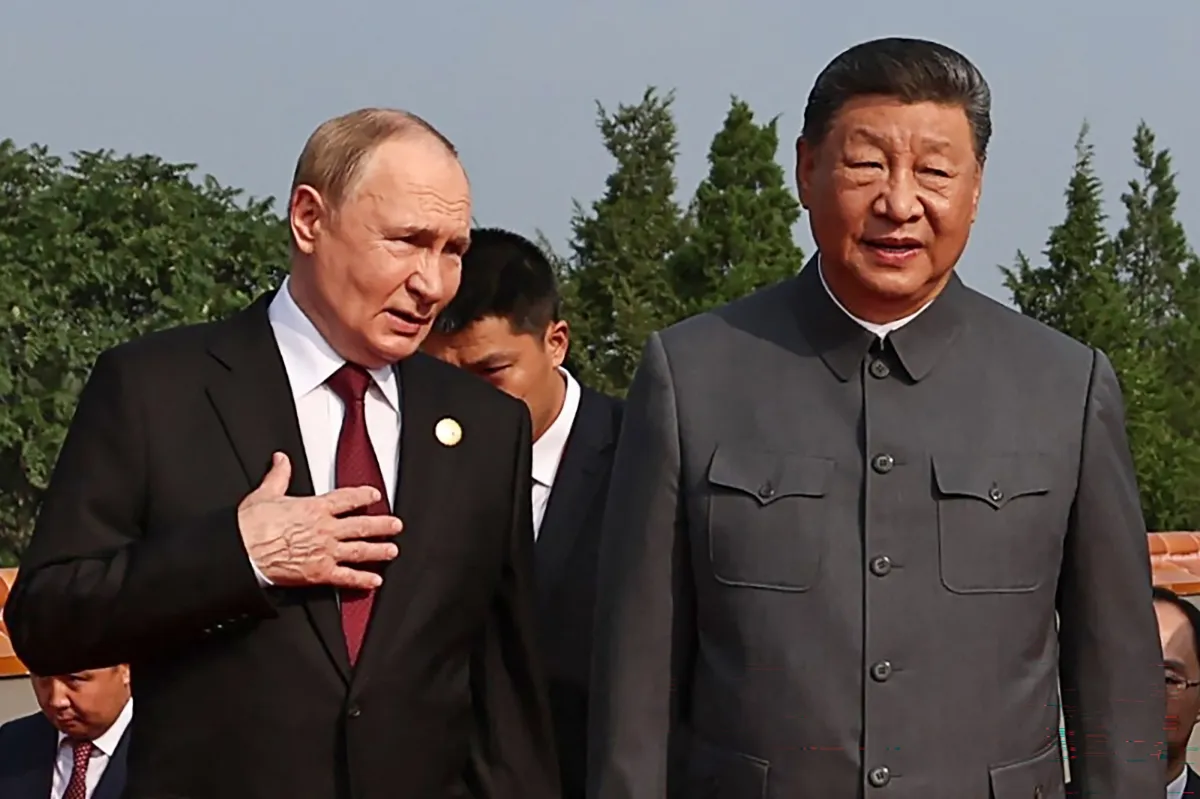
Despite these undercurrents of tension, the China-Russia partnership has never appeared stronger on the international stage. President Xi Jinping regularly emphasizes the importance of ties with Vladimir Putin, famously describing their relationship as having “no limits” and granting Putin a position of honor during China’s V-Day military parade in Tiananmen Square. Since Russia’s invasion of Ukraine in 2022, China has provided crucial economic support, becoming a top purchaser of Russian oil and gas, helping to keep Russia’s war economy functioning despite heavy Western sanctions. Russia has embraced the Chinese yuan for international transactions after being cut off from the SWIFT system, and bilateral trade has reached record levels. Their military cooperation has also intensified, with joint exercises in the Pacific that directly challenge American dominance in the region. Both powers have aligned themselves diplomatically in opposition to what they characterize as a U.S.-led global order.
However, beneath this public solidarity lies a growing power imbalance that has created anxiety within Russia. Kremlin-linked commentators have begun expressing concerns about Russia becoming the “junior partner” in this relationship, with dangerous dependence on Chinese economic support. A leaked Russian intelligence document reported by The New York Times revealed Moscow’s worries about Chinese espionage and influence operations, including the recruitment of Russian nationals with Chinese spouses and extensive counterintelligence measures against Russians. This suggests a fundamental level of mistrust persists between these supposed allies. The economic reality is stark: China’s GDP is roughly ten times larger than Russia’s, and this disparity continues to grow as Russia faces isolation from Western markets while China positions itself as an indispensable economic partner.
Patrick Cronin of the Hudson Institute characterizes China’s approach as “slow, steady accretions of effective sovereignty” combined with “performative shows of solidarity” that mask the growing asymmetry between the two powers. From this perspective, China appears content to gradually expand its influence across the borderlands through economic penetration and cyber operations while avoiding any overt territorial claims that might fracture the partnership. Beijing likely recognizes that Russia remains vital to its broader geopolitical strategy of challenging American hegemony, making any aggressive border revision counterproductive in the near term. Rather than military confrontation, China seems to be pursuing a patient strategy of economic integration that may eventually render formal border distinctions less relevant.
Not all observers share these concerns about the future of China-Russia relations. Lyle Goldstein from the Defense Priorities think tank argues that despite day-to-day frustrations—such as Russian disappointment over limited Chinese support in Ukraine—the bilateral relationship remains “healthy and developing robustly in all directions.” He points to the remarkable absence of serious crises between the two nations over the past three decades as evidence of a stable partnership. Goldstein suggests that shared opposition to what both countries perceive as “excessive balancing” by the United States and its allies has actually strengthened their cooperation. This perspective frames the relationship not as one destined for conflict over borderlands, but rather as a strategic alliance that has successfully overcome historical grievances in the face of a common geopolitical rival. Whether this partnership can withstand growing power disparities and latent territorial tensions remains one of the most significant questions in international politics today.