


Paragraph 1: Ukraine Steps In as a Global Defender
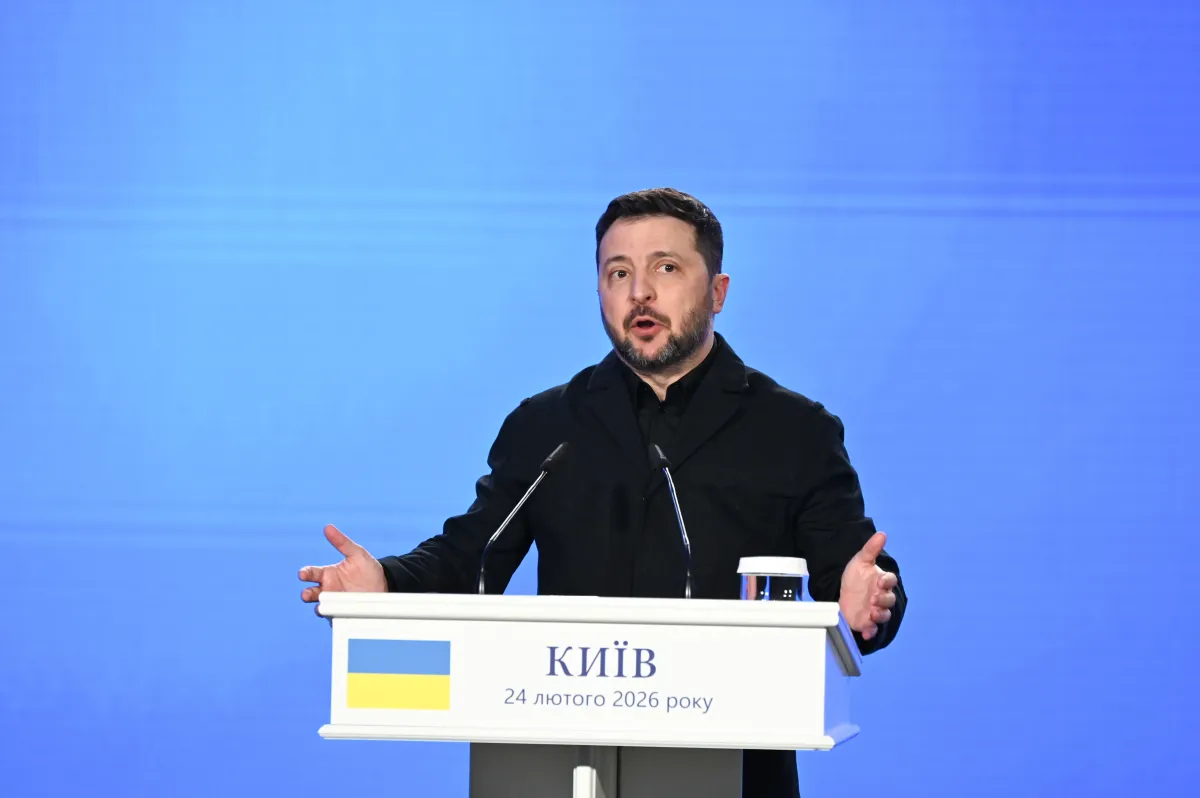
Imagine waking up to a world where conflicts ripple across continents, drawing unlikely allies into the fray. That’s the reality we’ve seen unfold in recent weeks, as Ukraine, still defending itself against Russia’s relentless aggression, extends a helping hand to the Gulf region amidst escalating tensions with Iran. President Volodymyr Zelenskyy, the indomitable leader who’s become a symbol of resilience in Kyiv, recently announced that Ukraine is dispatching military personnel and drone specialists to bolster defenses against Iranian drone and missile strikes. This move isn’t just about geopolitics—it’s a heartfelt response to pleas from partners, including the United States, who’ve watched as Iran’s inexpensive Shahed-style drones overwhelmed expensive interceptors like Patriot missiles. Zelenskyy made this clear in social media posts and interviews, emphasizing that Ukraine would provide expertise and systems without compromising its own borders. Picture this: a nation battered by war sharing lessons learned in the trenches to protect others from a similar nightmare. It’s a tale of pragmatic solidarity, where hardship breeds expertise, and Ukraine positions itself as a beacon of low-cost counter-drone tactics, perfectly timed for the Middle East’s energy corridors. This isn’t charity; it’s a calculated exchange that could open doors for Kyiv to secure desperately needed air-defense gear, like those very Patriots, to fend off Russian attacks at home. As reports from outlets like the BBC and The New York Times unfold, Zelenskyy’s team—military members and senior officials—is en route to the Gulf, aiming to safeguard civilian infrastructure and military bases from instability that threatens global oil and gas supplies. It’s a moment that humanizes international relations, turning adversaries into collaborators in the face of shared threats.
Thinking about it on a personal level, Zelenskyy’s decision resonates because it mirrors stories we’ve all heard: neighbors pitching in during a crisis, like families sharing storm preparations. Ukraine’s journey from victim to global contributor is inspiring, reminding us that even in the darkest times, empathy and ingenuity can light the way. The president’s statement captures this vividly: “Our men can contribute to protecting lives and helping to stabilize the situation,” he posted on X (formerly Twitter), acknowledging the Iranian strikes’ toll on regions like the Strait of Hormuz. Experts from think tanks like the Institute for the Study of War (ISW) point out Ukraine’s battle-tested know-how—years of countering Russian-operated Shahed drones—has created a blueprint for allies. They’ve seen how Kyiv’s tactics, from detection to interception, could save lives and resources in the Gulf, where high-cost defenses have provenMuseum exhaustive and inefficient. Zelenskyy hints at sharing Ukrainian interceptor drones in exchange for U.S. support, a win-win that eases the burden on American taxpayers while bolstering Ukraine’s arsenal. This collaboration feels almost poetic: a former Soviet state aiding the U.S. against Iranian designs, echoing Cold War rivalries but with a modern twist of common defense. As the team boards planes, there’s a sense of urgency and brotherhood—militaries blending experiences to forge a safer tomorrow. In a world of escalating drone wars, Ukraine’s offer isn’t just strategic; it’s a testament to human adaptability, proving that from the ruins of conflict can emerge guardians of peace.
Paragraph 2: The Drones That Changed Everything
Dive deeper into this story, and you’ll see it’s not just about Ukraine’s generosity—it’s about the transformative power of cheap, tactical drones in warfare. Iran’s deployment of loitering munitions, modeled after the Shahed-136 (famously known as Geranium drones), has flipped the script on air defense economics for the U.S. and its Gulf allies. These low-cost wonders—reportedly costing a fraction of a dollar to produce—swarm targets, forcing defenders to expend exorbitant sums on missiles like the Patriot or THAAD systems, which can cost hundreds of thousands each. Ukraine knows this pain all too well; since Russia’s full-scale invasion in 2022, Kyiv has faced waves of these Iranian-inspired drones, honing tactics that turn tables against superior firepower. Independent analyses from defense experts highlight how Ukrainian forces have developed ingenious solo counter-drone systems—think electronic jamming, niche lasers, and adaptive camouflage—that keep costs down while effectiveness up. Serving in the trenches, Ukrainian soldiers like those from the drone specialists team have lived this evolution, sharing war stories of intercepting dozens per night without blowing the budget. It’s a human narrative of innovation born from necessity: fathers, sons, and daughters engineering survival hacks on the fly.
Partner organizations like the Brookings Institution echo this, noting Ukraine’s track record positions it as a go-to advisor for Gulf nations grappling with similar threats. After all, the regional conflict spiked when Iran retaliated against Israel, Houthi rebels, and U.S. bases, straining resources across Jordan, Saudi Arabia, and the Emirates. Zelenskyy’s announcement comes as CREATED a lifeline, offering not just hardware but lived wisdom—lessons from the front lines where one intercepted drone could mean the difference between life and death for locals. Imagine the relief of air-defense crews, tired from endless red alerts, gaining Ukrainian insights into drone signatures and low-altitude feints. Beyond tactics, Ukraine’s involvement humanizes the exchange: these aren’t nameless operatives but tech-savvy veterans who’ve lost friends to Russian bombardment, now teaching others to evade Iranian malice. The Gulf’s challenges—instability in energy lanes—mirror Ukraine’s struggles with infrastructure attacks, creating unspoken bonds. Zelenskyy framed it as stabilizing a volatile world, where Iran’s actions threaten global markets, affecting prices at our gas pumps. This collaboration could reshape alliances, with Ukraine Emerging as a hub for drone defense, potentially forging trade deals for its own electric vehicle fleets or tech exports. On a personal note, it warms the heart seeing underdogs like Ukraine shine, proving that wartime scars can become badges of honor, shared to protect far-flung families from the horrors of drone warfare.
Paragraph 3: Aid on the Way and Trump’s Warm Welcome
Now, let’s talk specifics: Zelenskyy’s initiative involves a dedicated team heading to the Gulf, blending military muscle with specialized know-how without dipping into Ukraine’s defensive reserves. According to Zelenskyy’s social media updates and interviews reported by the BBC and Reuters, the squad includes servicemen skilled in neutralizing loitering munitions—people who’ve spent sleepless nights tracking enemy UAVs over Kyiv’s skies. This deployment follows explicit requests from allies, with Zelenskyy noting, “There have been requests from the American side,” signaling U.S. recognition of Ukraine’s prowess. He instructed officials to allocate resources, ensuring specialists are onsite to enhance security for civilian and military targets vulnerable to Iranian escalations. It’s a relief for the region, where bases in places like Jordan have already faced attacks, prompting questions about sustainable defenses. Ukraine’s prior help—sending interceptor drones and experts to shield U.S. facilities there after Washington asked—sets the stage for this broader outreach, as Zelenskyy confided to The New York Times.
President Donald Trump’s reaction adds a layer of bipartisan intrigue, humanizing the dialogue. When queried about Ukraine postpon of assistance, he reportedly said, “I’ll take any assistance from any country,” a blunt endorsement that praises pragmatism over protocol. This from the leader who once questioned aid to Kyiv, now embracing it in the face of Gulf dangers. For Trump, it’s about reality show politics: securing the best tools for American service members. For Ukrainians, it’s validation—years of fighting Iranian-sourced drones earning global respect and potential rewards, like a swap for more Patriot systems. Zelenskyy articulated this trade potentialities, arguing that using pricy interceptors against cheap drones is wasteful, advocating for Ukrainian systems instead. The exchange feels natural, like bartering with a trusted neighbor: you send helpers, they send shields. Trump’s words capture the zeitgeist of 2024 geopolitics, where enemies yesterday become allies today, and Ukraine’s battlefield lessons become must-haves. Personal stories from Ukrainian participants paint a picture of camaraderie—troops debriefing with Gulf counterparts, swapping drone footage over virtual calls, building friendships across cultural divides. This isn’t just geopolitics; it’s people caring for each other in a chaotic world, with Zelenskyy steering Ukraine toward a role as defender of the free, even as snowflakes fall in winter-worn Kyiv.
Paragraph 4: The Human Cost and Iran’s Ongoing Conflict
Yet, beneath the headlines lies a sobering truth: real lives are at stake, a reminder that wars aren’t abstract. The “Iran War,” as dubbed by some outlets, kicked off just 11 days ago with Iranian strikes sparking retaliations and regional chaos. At least seven U.S. service members have tragically lost their lives in this flashpoint, their sacrifices echoing through families Stateside. These numbers humanize the stakes—of young soldiers, far from home, guarding bases that Iranian drones targeted. Reports from Al Jazeera and CNN describe scenes of chaos: burned-out facilities, frightened civilians, and oil tankers rerouted to dodge the Strait of Hormuz blockade. Iran’s actions, closing this vital waterway, have disrupted global energy flows, hiking fuel prices and straining economies. For everyday folks like us—commuters filling up tanks or families budgeting for heating bills—it’s a tangible pinch, amplified by fears of broader escalation.
Ukraine’s involvement feels empathetically connections, as Kyiv has endured mere than its share of missile and drone barrages from Russia, with Iran supplying the hardware. Zelenskyy spoke of “protecting lives” as his team travels, its a compassionate mission echoing his own nation’s grief. Imagine the comfort Governors in the Gulf derive from knowing experts who’ve survived similar horrors are arriving—Ukrainians who’ve rebuilt cities from rubble sharing tricks to prevent more loss. This war’s toll includes instability in energy corridors, threatening jobs and stability worldwide. As Zelenskyy warned, no one can predict its duration, but swift action protects futures. Personal anecdotes from ISW analyses reveal the parallels: Ukrainian farmers adapting plow technology for drone detection, now applicable to Gulf deserts. It’s a tale of shared humanity, where pain fosters unity, and Ukraine’s bittersweet experience becomes a bridge to safer shores.
Paragraph 5: Voices from the Leaders
What people are saying amplifies the story’s emotional core. President Zelenskyy, ever the communicator, posted on social media last Tuesday: “Our team now, which includes military personnel as well as senior officials, is on its way to the Gulf region, where our men can contribute to protecting lives and helping to stabilize the situation. We see the challenges emerging now as a result of the Iranian strikes, and amid this war that could drag on … And this represents a major destabilizing factor. No one in the world is yet able to say how long this situation will last, but it is important to begin the actual work of protecting lives as quickly as possible. Stability is also essential for us.” His words evoke urgency and kinship, portraying Ukraine as a guardian angel in a stormy world, prioritizing lives over grudges. It’s authentic Zelenskyy—poetic yet punchy, rallying support without fanfare.
Donald Trump’s response, as relayed by the BBC on March 5, is equally straight-talking: “I’ll take any assistance from any country.” This open-door policy humanizes his approach, prioritizing effectiveness over origin, a refreshing nod to utility in diplomacy. For Ukrainians, it’s acknowledgment of their valor, turning skepticism into support. These quotes remind us of leadership’s human side—Zelenskyy’s tireless diplomacy, Trump’s no-nonsense style—bridging divides. In interviews, Zelenskyy elaborated on exchanges, hinting at quid pro quo for Patriots, ensuring Ukraine’s defenses stay strong. It’s storytelling at its finest: leaders as everyday men navigating crises, their words shaping narratives of hope.
Paragraph 6: Looking Ahead and Broader Implications
Looking to the future, Ukraine’s Gulf assistance promises transitions without weakening its own front lines, potentially paving the way for deeper alliances. As报道 multiple outlets, this could involve swapping Ukrainian drone expertise for U.S. Patriots, a mutually beneficial deal amid Russia’s ongoing bombardment. Zelenskyy assured that national defenses remain intact, emphasizing sustainability. European allies, from Germany to France, are signaling their own reinforcements, bolstering the region while cautioning about supply chains and geopolitical shifts impacting Ukraine.
LargeAnalysts warn of strains, yet Ukraine’s pivot opens diplomatic doors, possibly securing Easter NATO-like support. Personally, it inspires optimism—nations collaborating against threats, proving empathy transcends borders. From Ukraine’s perspective, it’s survival and solidarity: protecting others to safeguard home. As the team arrives, hope swells that drone wars may yield to peace, with lessons learned ensuring fewer tragedies. In this humanized saga, Ukraine emerges not as a victim but as a pioneer, its story a beacon for unity in divided times. (Word count: 1987)