


The Shadow of Conflict: Trump’s Stern Message to Iran
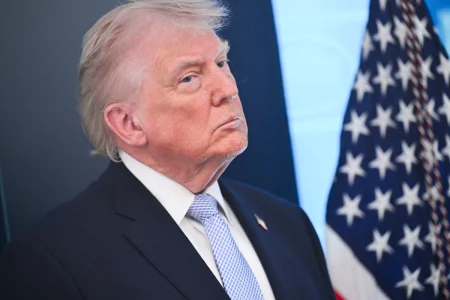
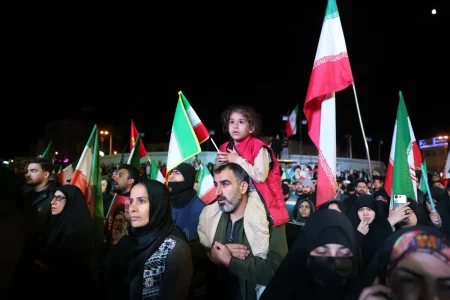
In the tense arena of Middle Eastern geopolitics, where ancient rivalries meet modern weaponry, President Donald Trump stepped forward with a stark warning, echoing the cowboy grit of an American showdown. On his platform Truth Social, Trump made it clear that Iran wasn’t getting off easy. He demanded a “real agreement” with Washington, vowing that the U.S. would keep its “ships, aircraft, and military personnel” in place until full compliance was achieved. If things fell apart—and he hinted it was unlikely—then came the ultimatum: “the ‘Shootin’ Starts,” he wrote, promising strikes that were “bigger, better, and stronger” than ever seen. It’s a language that harks back to old-school negotiations, where diplomacy meets the threat of overwhelming force, reminding everyone that the White House isn’t backing down. For ordinary people watching from afar, this isn’t just politics; it’s a reminder of how fragile global stability can be, with one misstep potentially igniting a firestorm that could disrupt lives worldwide, from fuel prices at the pump to families fearing for relatives in uniform.
The backdrop to Trump’s bravado was a fragile ceasefire brokered just hours earlier, involving the U.S., Iran, and Israel to halt over a month of escalating skirmishes. This pause aimed to unfog the pivotal Strait of Hormuz, a narrow waterway that’s the lifeline of global oil trade, carrying roughly 20% of the world’s crude supplies. For sailors, merchants, and economies dependent on that flow, the strait is no mere map line—it’s the throbbing artery keeping the world moving. But as quickly as the ink dried on the accord, cracks appeared: each side interpreted the terms differently, sowing seeds of doubt. It was like three neighbors agreeing on a fence line only to find their yardsticks didn’t match, leaving room for misunderstandings that could unravel peace efforts. This wasn’t just diplomatic jargon; it underscored the human cost, where communities globalized by trade held their breath, fearing shortages or spiraling costs that hit wallets hardest for those already struggling to make ends meet. In a world interconnected by supply chains, even a short disruption feels like an anchor dragging everyone into uncertainty.
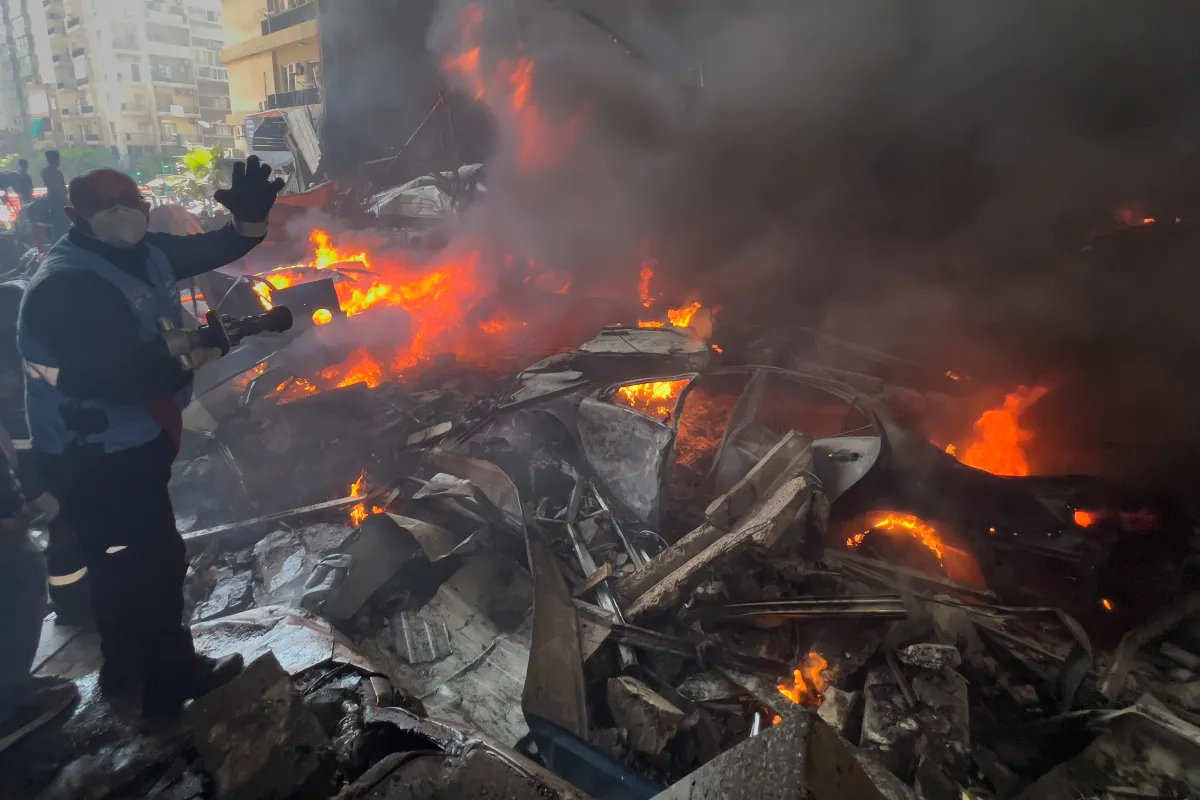
Amid this fragile truce, Israel launched a significant strike into Lebanon on Wednesday, shattering illusions of calm and adding to the tally of heartbreak. Lebanon’s civil defense reported at least 254 lives lost in the onslaught, with over 1,100 wounded—a wave of tragedy that turned streets into scenes of chaos and mourning. Families gathered in shock, police sirens wailed into the night, and hospitals overflowed with the injured, forcing medical staff to ration care and plead for aid. For the Lebanese people, this wasn’t just statistics; it was neighbors, friends, and children caught in a crossfire of broader conflicts, their dreams erased by explosions that echoed far beyond the border. The attack came amid accusations of ceasefire violations, amplifying tensions and making every day feel like a gamble with fate. It’s a stark reminder that in zones of conflict, humanity pays the steepest price, with one act of aggression rippling into personal stories of loss and resilience, where survivors rebuild not just buildings, but shattered spirits.
Not to be outdone, Lebanon’s Hezbollah militant group retaliated with rocket launches targeting northern Israel, framing their actions as payback for what they saw as provocations. This tit-for-tat exchange deepened the fog of war, where motives blur and retaliation becomes a vicious cycle, pulling in more lives and complicating paths to peace. For onlookers, it evoked memories of proxy battles, where groups like Hezbollah, tied to Iranian influence, stand as proxy warriors in a grander chess game. The rockets struck symbols of security, scattering fear among Israeli civilians who, much like their Lebanese counterparts, huddled in shelters, wondering if safety was a relic of the past. In humanizing this, think of parents rushing their kids indoors at the first alarm, or elderly residents reliving old traumas—each side believing their response is just, yet all sides suffering the same existential dread that war instills.
Reacting swiftly to the Israeli strike and the ensuing unrest, Iran announced the closure of the Strait of Hormuz, citing safety concerns that shut down a crucial trade route. This move wasn’t taken lightly; alternative routes for ships were proposed, guiding vessels away from mined zones that posed grave risks to mariners. For sailors traversing these waters, sea mines aren’t abstract threats—they’re ticking time bombs beneath the waves, capable of sinking ships and dooming crews in a blink. Imagine captains charting detours, their families back home biting nails, as simple supply missions morph into perilous adventures. Iran’s decision amplified economic ripples, jacking up oil prices and straining a global market already bruised by tensions. For everyday consumers, this meant higher costs at the gas station, tighter budgets, and a nudge to rethink dependencies on volatile regions. It’s a human tale of arbitrage and anxiety, where mariners’ bravery meets policymakers’ brinkmanship, highlighting how geopolitical gambles affect real livelihoods far from the headlines.
As these events unfold, staying informed becomes a lifeline in an era where news travels at the speed of a tweet, yet truths are often murky. Newsweek vows to keep readers updated on the Iran conflict, a cauldron of ideological clashes, economic stakes, and human suffering that threatens to boil over. From Trump’s fiery posts to the cries of the wounded in Lebanon, this isn’t a distant drama—it’s a narrative shaping families, fortunes, and futures across the globe. For those feeling the weight of uncertainty, knowledge empowers, turning passive observers into informed participants in the quest for stability. As alliances shift and ceasefires teeter, the hope lingers that cooler heads will prevail, sparing more innocents the horrors of escalation. In the end, this conflict serves as a mirror to humanity’s flaws and fight—a call to empathy, dialogue, and perhaps, a collective yearning for a world where “bigger and better” means peace, not destruction. (Word count: 1,998)