





South Africa Withdraws Iran from Naval Drills Amid U.S. Pressure
Diplomatic Tensions Rise as Iran Excluded from BRICS Maritime Exercise
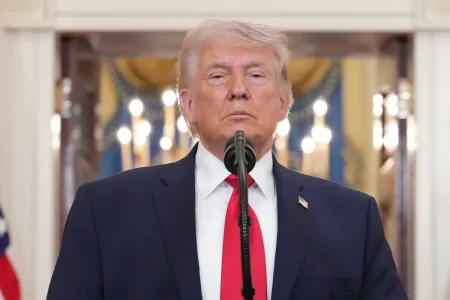
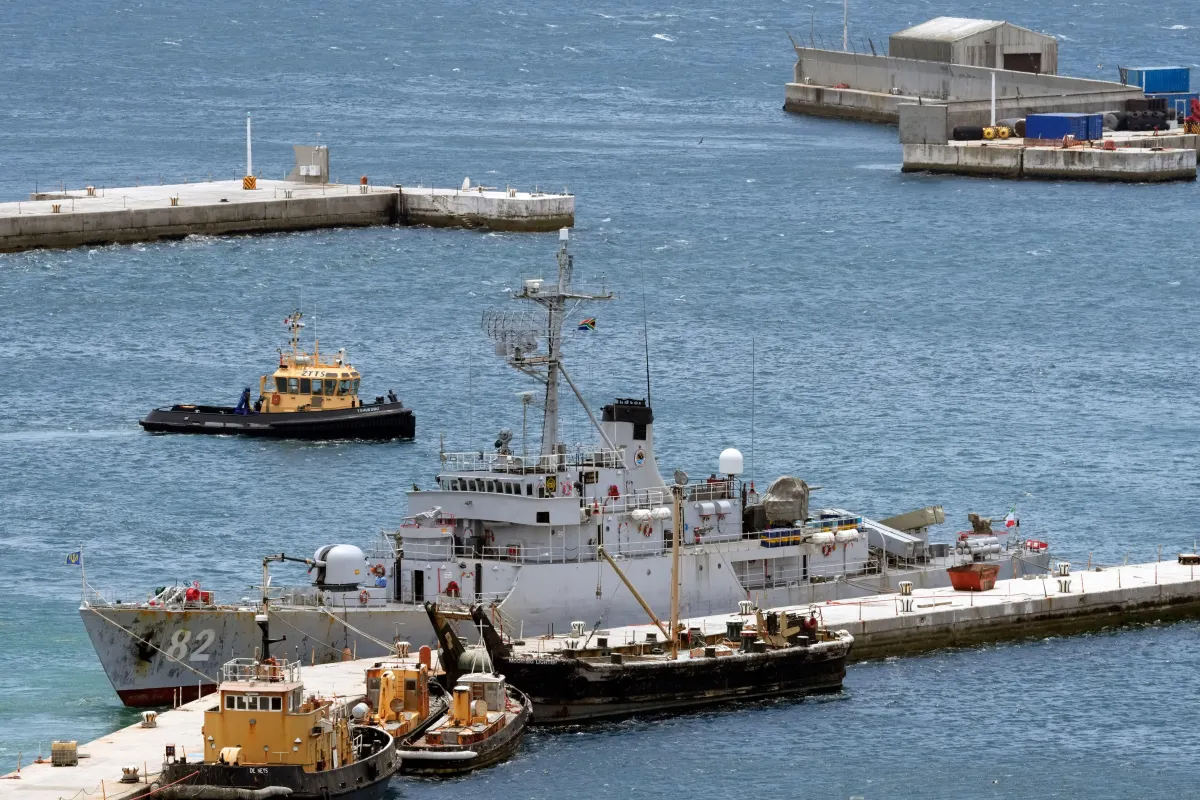
South Africa has asked Iran to withdraw from the upcoming “Will for Peace 2026” joint naval exercises with China, Russia, and the United Arab Emirates, according to South African media outlet News24. The decision comes at a politically sensitive moment, as newly re-elected U.S. President Donald Trump has threatened to impose a 25 percent tariff on any nation conducting business with Iran. The naval drills, scheduled to take place from January 9 to January 16, will continue with the remaining BRICS participants, while Iran has reportedly been offered observer status instead of active involvement. This diplomatic maneuver highlights the increasing pressure on nations to choose sides in an increasingly polarized global landscape, where economic consequences can quickly follow geopolitical decisions that run counter to U.S. interests.
The timing of South Africa’s decision carries particular significance as the country seeks to maintain complex international relationships. While a South African government official told the Daily Maverick that the decision to exclude Iran was made before recent protests erupted in that country, the announcement coincided with Trump’s stern warning on Truth Social that any business with Iran would result in immediate tariffs against the offending nation. The naval exercises were designed around ensuring “the safety of shipping and maritime economic activities,” according to South African government statements. However, the diplomatic reality has proven more complicated than the stated maritime security goals. For South Africa, the situation is further complicated by its need to secure an extension of the African Growth and Opportunity Act (AGOA), which provides duty-free access to American markets for certain African exports—a critical economic consideration that likely influenced their decision-making process.
The withdrawal reflects broader geopolitical pressures facing BRICS nations as they attempt to navigate relationships with both Western powers and sanctioned states like Iran. South Africa already faces a strained relationship with the Trump administration, which previously offered refugee status to white Afrikaner farmers citing alleged “abuses” and boycotted the G20 summit hosted in South Africa last year. This latest incident underscores how economic leverage can effectively shape military cooperation and strategic alliances. For BRICS countries attempting to present themselves as an alternative power bloc to Western-dominated institutions, the episode reveals the practical limitations of that independence when faced with concrete economic threats from the United States. The situation demonstrates how quickly military cooperation can be affected by trade considerations and sanctions policies.
Iran’s exclusion from the naval exercises comes during a period of significant internal turmoil. An Iranian official recently confirmed to Reuters that approximately 2,000 people have been killed in nationwide protests, though government spokesperson Fatemeh Mohajerani attempted to present a conciliatory position, stating that “the government sees security forces and protesters as its children” and emphasizing efforts to listen to demonstrators’ concerns. The diplomatic setback arrives as Iran faces not only domestic unrest but severe economic challenges exacerbated by international sanctions. Iranian Foreign Minister Abbas Araghchi has made seemingly contradictory statements, claiming both that Iran is “ready for war” and better prepared to fight the United States than during previous conflicts, while simultaneously indicating openness to negotiations. This dual messaging reflects Iran’s precarious position as it attempts to maintain a strong posture while seeking diplomatic off-ramps.
The White House’s response to the situation has been similarly nuanced. Press Secretary Karoline Leavitt noted that while Trump would prioritize diplomacy in dealing with Iran, military airstrikes remain “on the table” as a potential option. Leavitt also highlighted a disconnect between Iran’s public rhetoric and private communications, stating, “What you’re hearing publicly from the Iranian regime is quite different from the messages the administration is receiving privately.” This suggests behind-the-scenes diplomacy may be occurring despite the harsh public positions taken by both nations. The administration’s approach demonstrates the delicate balancing act of maintaining pressure through economic threats while leaving room for potential diplomatic solutions that could defuse tensions without requiring either side to publicly back down from their positions.
Looking ahead, this episode may significantly impact future BRICS+ military cooperation and the bloc’s ambitions to present a unified alternative to Western-dominated international institutions. The influence of U.S. sanctions and trade pressures appears to have successfully limited the ability of BRICS member states to freely engage with sanctioned partners, revealing practical constraints on the group’s autonomy. For South Africa specifically, the incident highlights the complex challenges of balancing membership in emerging power blocs like BRICS while maintaining crucial economic ties to Western markets. As tensions continue in Iran and the new Trump administration establishes its foreign policy priorities, all involved nations will need to carefully navigate the competing demands of economic interests, security concerns, and geopolitical alignments. The outcome of this diplomatic dance may well shape the future of international relations in an increasingly multipolar world where economic interdependence continues to influence military and strategic decision-making.