





Iran’s Foreign Minister Attempts to Deflect Blame for Protest Casualties
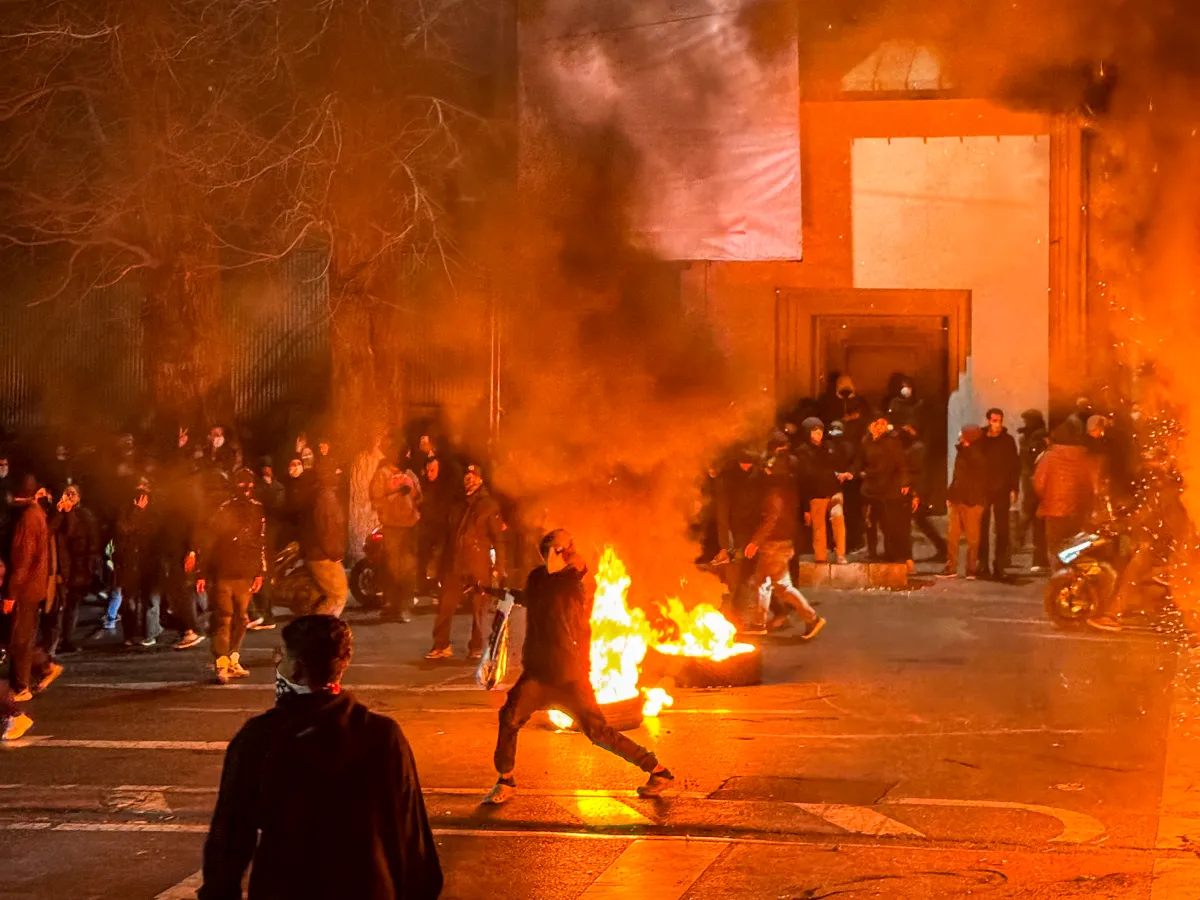
In a carefully choreographed press conference in Tehran, Iranian Foreign Minister Abbas Araghchi presented a narrative that attempts to shield the regime from mounting international criticism over its handling of recent protests. Speaking to journalists on Monday, Araghchi claimed that “terrorists” had infiltrated otherwise peaceful demonstrations, transforming them into violent confrontations. This assertion comes as human rights activists continue to document what they describe as a systematic and brutal crackdown by Iranian security forces against civilian protesters. The international community has watched with growing concern as social media platforms have been flooded with disturbing footage allegedly showing the bodies of numerous demonstrators who lost their lives while exercising their right to protest.
The Foreign Minister’s statements reflect a familiar pattern of deflection employed by the Iranian regime during periods of civil unrest. By attributing the violence to armed foreign agents, Araghchi constructed a narrative that portrays the government as a defender of public safety rather than an aggressor against its own citizens. “That’s why the demonstrations turned violent and bloody, to give an excuse to the American president to intervene,” Araghchi claimed, suggesting that these alleged provocateurs were deliberately creating conditions that would justify U.S. intervention in Iran. This framing attempts to tap into long-standing suspicions about foreign interference in Iranian affairs, particularly from the United States, which has a complex and troubled history with the Islamic Republic.
What makes Araghchi’s claims particularly notable is their timing, coming as they do alongside his announcement that the regime had “seized total control of security” throughout the country. This declaration of control stands in stark contrast to the information being shared by human rights organizations, which have documented widespread unrest and a heavy-handed response from security forces. Particularly troubling is the internet blackout that has been imposed across Iran, significantly hampering the flow of information both within the country and to the outside world. While Araghchi promised that this communication shutdown would soon end, the blackout has already served to limit independent verification of events and isolated protesters from potential support networks.
The discrepancy between the regime’s official narrative and the accounts from activists and protesters highlights the profound information struggle taking place alongside the physical confrontations in Iran’s streets. Activists report that hundreds of protesters have been killed by security forces, with thousands more detained in facilities where their welfare remains uncertain. These accounts paint a picture of a government willing to use extreme measures to suppress dissent, rather than address the underlying grievances that drove citizens to demonstrate in the first place. The videos circulating on social media—despite the internet restrictions—provide glimpses of what appears to be significant casualties among the civilian population, directly contradicting the government’s version of events.
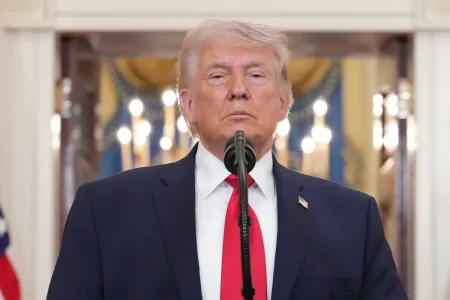
The international dimensions of this crisis have been amplified by U.S. President Donald Trump’s public statements regarding the protests. By suggesting that the violence was orchestrated specifically to provoke American intervention, Araghchi is attempting to frame the demonstrations not as a legitimate expression of domestic grievances but as part of a geopolitical power play. This framing serves multiple purposes for the regime: it delegitimizes the protesters by associating them with foreign interests, justifies the harsh security response as necessary for national sovereignty, and preemptively discredits any international criticism as being part of a hostile foreign agenda. The reference to President Trump specifically targets what has been a particularly antagonistic relationship between the current U.S. administration and Iran.
As this situation continues to evolve, the fundamental question remains: whose narrative will prevail in shaping both domestic and international understanding of these events? The Iranian government’s ability to control information through internet blackouts and state media gives it significant advantages in managing public perception within its borders. However, the proliferation of social media and alternative information channels means that competing accounts can still reach global audiences and even many Iranians. The gulf between Araghchi’s carefully crafted explanations and the raw footage emerging from Iran illustrates the challenge facing authoritarian regimes in the digital age—while they may control the official narrative, they increasingly cannot prevent alternative perspectives from reaching the public consciousness. How this information battle ultimately resolves may prove just as consequential as the physical confrontations in determining the long-term implications of these protests for Iran’s future.