





Fatal ICE Shooting in Minneapolis Sparks Public Outrage Amid Immigration Crackdown
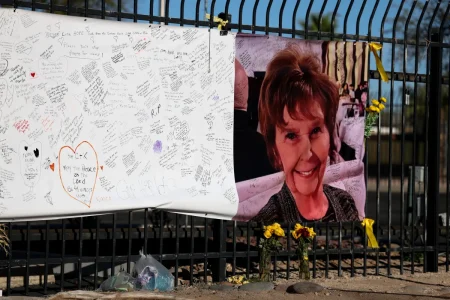
In the heart of Minneapolis, a community already on edge witnessed another tragedy as federal immigration officers fatally shot a 37-year-old man during an enforcement operation on Saturday. This incident unfolded barely a mile from where Renee Nicole Good, a U.S. citizen, lost her life at the hands of an Immigration and Customs Enforcement (ICE) officer just weeks earlier on January 7. The back-to-back fatalities have ignited deep-seated tensions in the Twin Cities, as residents grapple with the human cost of what the Department of Homeland Security describes as its “largest-ever immigration enforcement operation.” Minneapolis Police Chief Brian O’Hara, speaking at a hastily arranged press conference, confirmed the death but admitted details remained unclear, his uncertainty reflecting the chaos and confusion that has enveloped the city. The situation prompted Minnesota’s Democratic Governor Tim Walz to directly challenge the federal government, calling on President Trump to withdraw federal officers from the state as protests erupted across Minneapolis streets despite the biting cold.
The Department of Homeland Security quickly moved to establish their narrative, describing the incident as part of a “targeted operation against an illegal alien wanted for violent assault.” According to their account, at approximately 9:05 AM Central Time, a suspect allegedly approached U.S. Border Patrol officers while carrying a 9mm semi-automatic handgun. Officials claim officers attempted to disarm the individual, but he “violently resisted,” ultimately leading an agent to fire what they termed “defensive shots.” Social media footage circulating online shows multiple federal agents engaged in a physical struggle with a person before gunshots are heard, though the exact sequence of events remains disputed. DHS reports that despite medics providing immediate aid, the individual was pronounced dead at the scene. Adding to their narrative, the agency released an image of a handgun they claim was found on the deceased, along with two additional magazines, and noted the absence of identification on the person—details that would later be questioned by community members and activists.
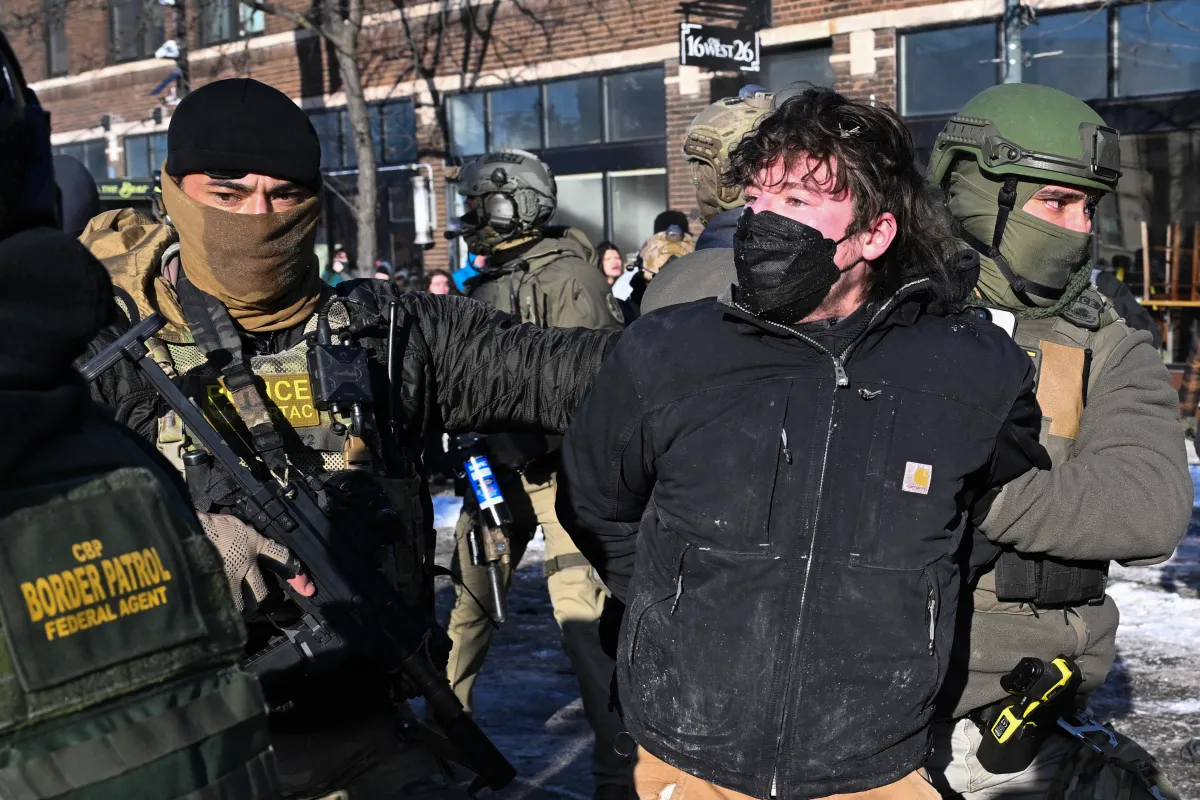
The community’s response was immediate and raw. As word spread of another fatal shooting involving federal immigration authorities, hundreds gathered at the scene near 26th Street West and Nicollet Avenue, their pain and anger palpable in the winter air. Witnesses described protesters screaming profanities at federal officers, calling them “cowards” for their actions. In a moment that captured the hostility of the encounter, one officer was reported to have responded mockingly as he walked away, telling protesters “Boo hoo”—a dismissive retort that only served to inflame tensions. The confrontation escalated as federal agents were seen shoving a yelling protester into a car and deploying tear gas against the crowd. In response, demonstrators dragged garbage dumpsters from nearby alleyways to block streets, their chants of “ICE out now” rising above the chaos as federal officers wielded batons and deployed flash bangs in an attempt to disperse the growing crowd.
This latest tragedy occurs against a backdrop of intensifying immigration enforcement under the Trump administration, which has made the removal of undocumented immigrants a cornerstone policy. The day before the shooting, thousands of Minneapolis residents had already taken to the streets in freezing temperatures to protest the immigration crackdown that has left many immigrant communities living in fear. The Twin Cities, with their significant immigrant populations, have become flashpoints in the national debate over immigration policy. For many local residents, the federal operations feel like invasions of their communities, conducted with little regard for local sensibilities or the human consequences of enforcement actions. The shooting has deepened the divide between federal authorities pursuing aggressive immigration policies and local officials and communities who view such actions as harmful overreach that threatens public safety by eroding trust between immigrant communities and law enforcement.
Minneapolis Police Chief O’Hara’s assessment of the situation as “not sustainable” speaks to the growing crisis that federal immigration enforcement has created in his city. The lack of coordination between federal agencies operating in Minneapolis and local law enforcement has created confusion, undermined community trust, and now, resulted in two deaths in less than a month. The city government’s urgent appeal for calm on social media platforms reflects officials’ concerns about the potential for further escalation as tensions continue to build. For immigrant communities and their allies, these fatal shootings represent more than isolated incidents—they symbolize what they see as a systematic dehumanization of immigrants through increasingly aggressive enforcement tactics. Many community leaders point out that such operations, rather than enhancing public safety, create climates of fear that make entire neighborhoods less safe as residents become reluctant to interact with any form of law enforcement.
As Minneapolis braces for what might come next, federal immigration enforcement operations continue despite the widespread daily protests that have become a fixture in the city. The contrasting reactions to the incident highlight America’s deep divisions over immigration policy—some see the federal actions as necessary enforcement of existing laws, while others view them as cruel implementations of policies designed to terrorize vulnerable communities. What remains undisputed is the human cost: a 37-year-old man is dead, families and communities are traumatized, and the relationship between federal authorities and local communities has been severely damaged. Governor Walz’s call for federal officers to withdraw reflects the growing sentiment among many state and local leaders that federal immigration enforcement tactics are doing more harm than good in their communities. As investigations into both fatal shootings proceed, Minneapolis residents are left wondering when—or if—their city will find a path toward healing the wounds that have been opened by these tragic events.