







Climate Policy at a Crossroads: Rethinking Global Environmental Governance
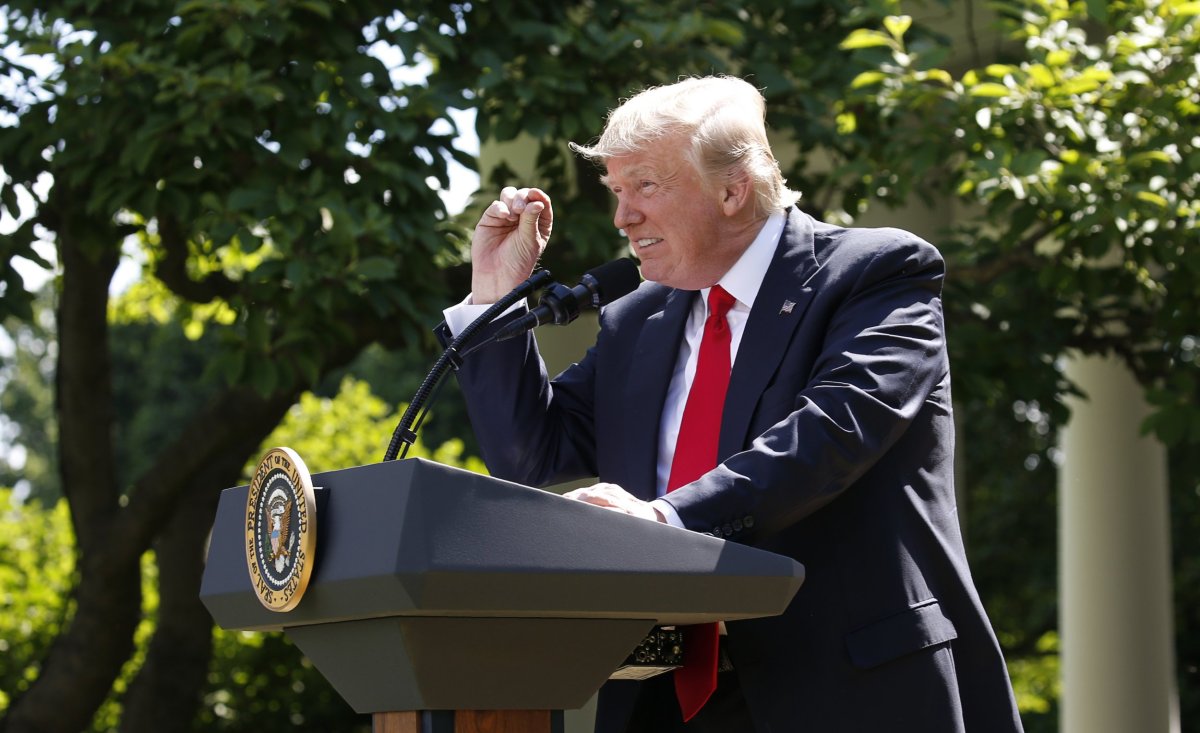
The Trump administration’s withdrawal from the UN Framework Convention on Climate Change (UNFCCC) has ignited intense debate across political lines, raising fundamental questions about the effectiveness of global climate governance. After more than three decades of international climate diplomacy, this moment invites us to consider a thought-provoking question: What tangible differences would occur if the entire treaty framework disappeared tomorrow? The reality is that many aspects of daily life would continue unchanged—power plants would still require fuel, households would pay their utility bills, people would drive and fly, manufacturers would demand reliable electricity, and developing nations would pursue economic growth. These constants point to a critical insight: the influence of global climate policy architecture is often presumed to be far greater than its demonstrated ability to shape real-world outcomes.
The UNFCCC, established in 1992 during the first Bush administration, created a diplomatic framework for reporting, coordination, and global summits. However, this structure of international coordination hasn’t necessarily translated into meaningful performance. For years, climate diplomacy has focused on constraining energy supply to reduce emissions, even when the measurable impact on global temperatures remains minimal. This disconnect raises legitimate questions about whether these policies—which often impose substantial costs on energy affordability and reliability—are actually serving their intended purpose. When climate initiatives create economic hardship without delivering proportionate environmental benefits, it’s reasonable to reassess the underlying framework that guides these decisions.
The gap between climate policy ambition and actual impact is particularly striking when examined through data modeling. According to analysis using the same models employed by the Intergovernmental Panel on Climate Change, even if the United States immediately achieved permanent net-zero emissions—an extreme scenario—global temperatures by 2100 would only decrease by less than 0.24 degrees Celsius. Similarly, if the European Union accomplished the same feat, temperatures would only drop by about 0.14 degrees. These figures aren’t climate change denial; rather, they represent statistical evidence that even dramatic policy interventions by major economies would produce climate benefits that are negligible relative to their economic costs. This mathematical reality challenges the foundational assumptions of current climate governance.
Meanwhile, the economic consequences of climate policies are both immediate and concentrated. Regulations justified by climate commitments typically redirect energy systems away from the most abundant, reliable, and scalable power sources. This redirection leads to higher energy prices, increased strain on grid reliability, and capital being diverted from more productive uses like resilience building, technological innovation, and adaptation measures. The UNFCCC framework offers little correction to this imbalance because it primarily measures success through commitments made rather than outcomes achieved—a focus on process over results. This approach creates a governance system that can claim diplomatic victories while failing to deliver meaningful climate benefits or sustainable economic outcomes.
Cross-country evidence further illuminates why energy abundance matters more than diplomatic pledges. Global data shows no examples of countries with both high per-capita income and low energy consumption, nor nations with high energy use that remain persistently poor. Countries consuming roughly 10,000 kilowatt-hours per capita or more consistently achieve better living standards, health outcomes, and longevity. Conversely, nations below approximately 1,000 kilowatt-hours per capita remain predominantly impoverished, regardless of their climate commitments. This relationship extends beyond mere economic indicators—populations in energy-abundant countries are healthier and live longer. These outcomes aren’t coincidental but reflect the fundamental role reliable energy plays in enabling modern healthcare, sanitation, communications, and industrial productivity. No treaty, however well-intentioned, can override these physical and economic realities.
The withdrawal from the UNFCCC has reopened a necessary conversation about the proper goals and methods of international climate cooperation. If current climate policy frameworks cannot deliver measurable temperature changes without compromising energy abundance and reliability, then the challenge isn’t insufficient commitment but rather a flawed approach. A more productive path forward would focus on outcomes that are technologically feasible, economically sustainable, and globally scalable, rather than doubling down on processes that measure success by diplomatic milestones rather than real-world results. International cooperation should facilitate dialogue and information sharing, but it cannot substitute for the fundamental constraints of physics, engineering, and economics that govern energy systems. The rational response isn’t to abandon environmental concerns but to reorient climate governance toward frameworks that acknowledge these constraints while pursuing genuine environmental progress.