






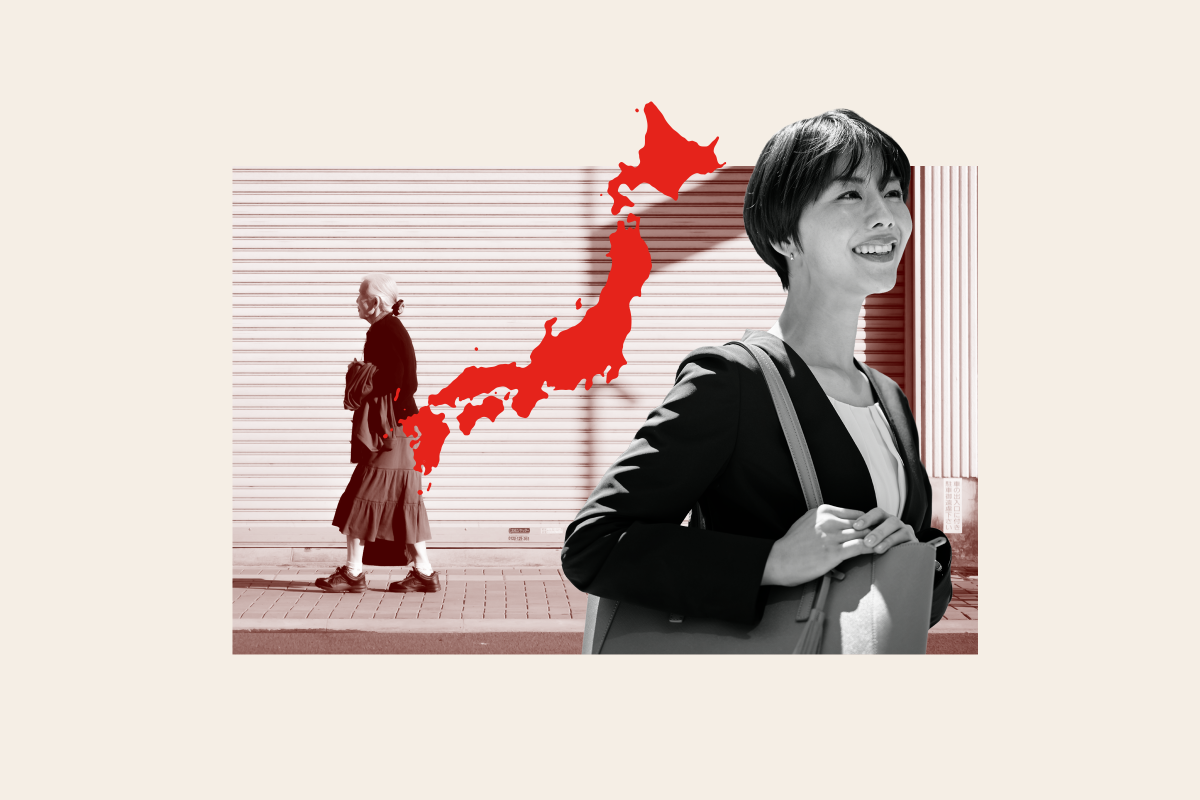
Japan’s Race Against Demographic Decline: New Initiatives Struggle Against Stubborn Trends
Japan finds itself in an unprecedented demographic crisis despite launching one of the world’s most comprehensive birth encouragement programs in 2024-2025. The nation, which once symbolized economic vitality and growth, is confronting record-low birth figures that have shattered even the government’s most pessimistic projections. With fewer than 670,000 births expected for 2025—the lowest since record-keeping began in 1899—Prime Minister Sanae Takaichi has labeled population decline as “Japan’s biggest problem.” This crisis comes despite committing 3.5 trillion yen (approximately $25 billion) annually to child-rearing support. The situation has become so dire that former health ministers warn the country has only until the end of this decade to reverse course before facing potentially irreversible demographic consequences. With nearly 30% of Japanese citizens now over 65, rural communities are emptying, and critical industries face worsening labor shortages that threaten the nation’s economic foundation.
The centerpiece of Japan’s response has been the ambitious “Child and Child-rearing Support Acceleration Plan,” part of the broader kodomo mirai senryaku (Child Future Strategy). This comprehensive initiative represents a significant philosophical shift in Japan’s approach to family support. Rather than focusing primarily on enabling working mothers to balance careers and children, the new strategy aims to encourage youth marriage and childbirth through direct economic incentives. The government has eliminated income limits on child allowances, extending payments through high school graduation regardless of family wealth. Additional financial supplements now benefit families with three or more children, while new cash grants support pregnancy and infant care expenses. According to Takashi Inoue, a demographer at Aoyama Gakuin University, this marks “a slight course correction” toward addressing declining birthrates by targeting young people’s economic concerns rather than workplace accommodation alone. The strategy acknowledges that many young Japanese delay or avoid marriage and childbearing due to financial insecurity rather than lack of workplace flexibility.
Beyond financial support, Japan has implemented substantial reforms to parental leave and work-family balance policies. April 2024 saw amendments to the Act on Childcare Leave and related caregiver provisions take effect, expanding options for flexible work arrangements to help employees—particularly women—maintain career continuity while raising children. Additional phases rolled out later in the year aimed to normalize parental leave and reduce the professional penalties that often accompany parenthood in Japan’s demanding work culture. The reforms address longstanding concerns that Japan’s corporate environment, with its long hours and limited flexibility, forces many women to choose between careers and motherhood. These legal changes have been paired with expanded childcare access through local municipalities and the national Child and Family Agency, which have worked to reduce the notorious waiting lists for daycare services that have frustrated working parents for decades. New flexible scheduling options for preschool enrollment have been introduced regardless of parents’ employment status, addressing both economic and logistical barriers to family formation.
Despite this comprehensive policy push, Japan’s demographic experts remain cautious about the country’s ability to reverse its fertility decline. Masakazu Yamauchi, a demographer at Waseda University, told the Financial Times that “this is not simply about financial incentives,” pointing to 2025 projections that indicate continued birth rate declines despite the expanded programs. The challenge appears more deeply rooted in structural issues that cash incentives alone cannot address. Japan’s persistent gendered division of labor, where women still shoulder the vast majority of household and childcare responsibilities despite full-time employment, creates practical barriers that financial support doesn’t solve. Additionally, the country’s high living costs—particularly in urban areas where most economic opportunities exist—combined with stagnant wages make family formation economically daunting for many young adults. Housing prices in major cities force compromises on living space that discourage larger families, while job insecurity in an increasingly competitive market makes long-term family planning difficult for many young Japanese workers.
Perhaps most sobering is Takashi Inoue’s assessment that Japanese pro-natal policies are already among “the world’s highest standards,” suggesting additional incremental measures may achieve only limited success. “It’s a pessimistic view,” he acknowledges, “but I must say it is difficult for government policy to change the marriage outlook of young people in modern Japan.” The country faces stark choices: maintain current support levels and hope for spontaneous recovery, or dramatically increase financial incentives to a scale that might truly influence behavior—perhaps a childbirth allowance of approximately 10 million yen (about $64,000) per birth, a nineteen-fold increase over current levels. The challenge isn’t merely finding money for such programs but addressing the cultural and economic foundations that shape young people’s life choices in contemporary Japan. International research consistently shows that countries with the highest fertility rates combine generous family support with gender equality and flexible work cultures—suggesting Japan needs not just more generous programs but deeper social transformation.
Looking toward mid-century, Japan’s demographic trajectory appears increasingly concerning. Current projections from Japan’s National Institute of Population and Social Security Research indicate the population will shrink from 124 million to approximately 100 million by 2050—a decline of nearly 20%. More troubling still, the dependency ratio is expected to surge from 68 to 89, meaning almost one working-age person will bear responsibility for supporting one older adult or child. This dramatic shift threatens to place extraordinary pressure on Japan’s social security systems, healthcare infrastructure, and economic vitality. Without significant demographic changes or alternative solutions like increased immigration—historically resisted in Japan’s largely homogeneous society—the country faces profound challenges to its economic model and social contract. The coming decades will test whether Japan’s comprehensive approach to supporting families can overcome deeply entrenched social and economic forces that have led successive generations of young Japanese to postpone or forgo family formation, with consequences that will reshape the nation for generations to come.