


The Pulse of International Tension: Bravado and Brinkmanship in the Persian Gulf
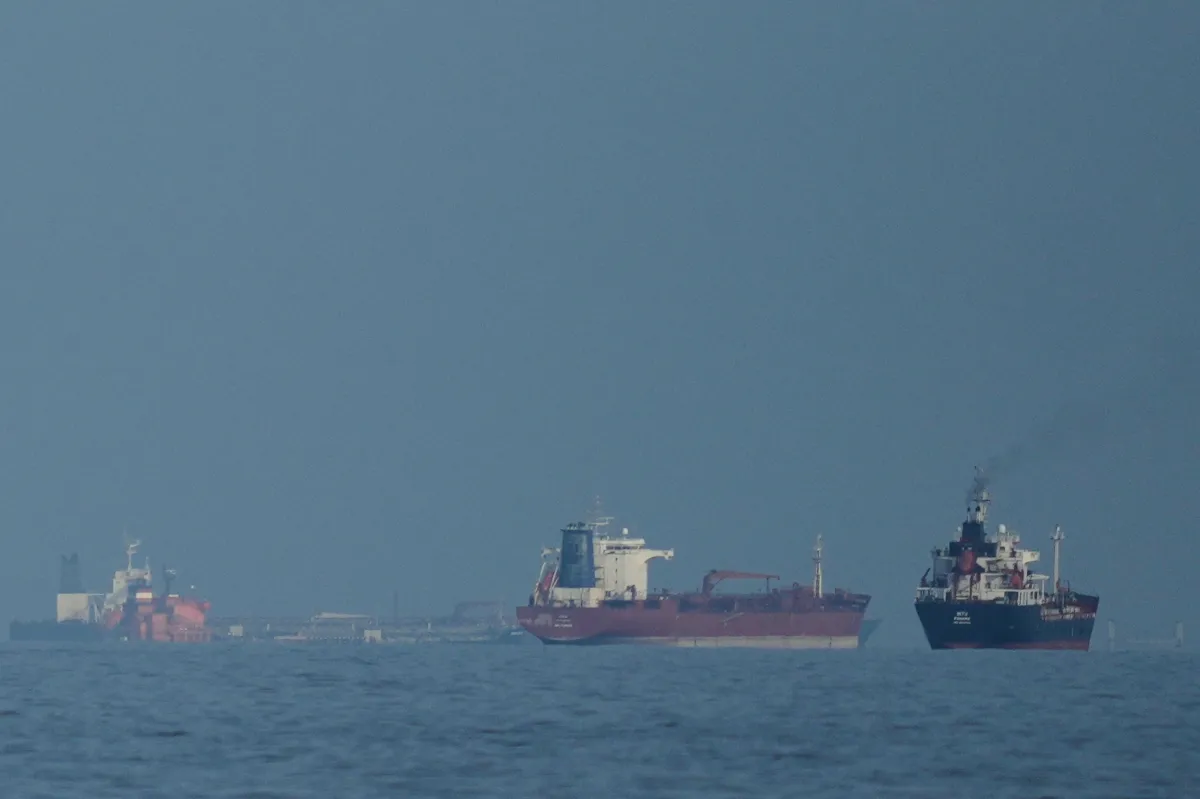
Imagine waking up to headlines that feel like the plot of a high-stakes thriller, where world leaders toss threats like grenades and shipping lanes turn into battlegrounds overnight. That’s the reality unfolding in the Strait of Hormuz, where President Donald Trump, ever the showman, stepped into the spotlight earlier this week with a call that echoed more like a Western movie shootout than diplomatic discourse. He urged oil tanker crews to “show some guts” and plow through the narrowing waters despite clear alarms about lurking dangers. “Just sail through,” he seemed to say, brushing off fears as if they were mere stage fright. But reality bit back hard on Wednesday, when at least three cargo ships were jolted by unexplained strikes, turning calm seas into scenes of chaos and heroism. Picture the crew members aboard those vessels—not faceless statistics, but real people with families back home, suddenly fighting for their lives amidst fire and smoke. One Thai-flagged ship, hit off the Emirati coast, erupted in flames, with massive plumes billowing skyward like a dragon’s breath, forcing a desperate rescue operation in the hands of Omani authorities who saved most of the 23 sailors on board. This wasn’t just geopolitical chess; it was a human drama, where livelihoods hung in the balance, and the world watched as panic rippled through international trade. Trump’s words, uttered with that signature swagger, aimed to rally the brave, but they also painted a picture of a president playing high-risk poker with global stability. In interviews, he downplayed Iran’s capabilities, claiming their navy was as good as sunk after past engagements, yet the attacks underscored the volatility simmering beneath the surface. Families huddled around TVs, worried about how this brinkmanship could spike fuel costs and disrupt daily routines—think higher gas prices biting into your commute or grocery bills soaring because of oil fears. It’s the kind of tension that makes ordinary folks feel the weight of superpower egos, wondering if their hard-earned stability could crumble like a house of cards. As debates raged in living rooms and boardrooms alike, one thing became clear: Trump’s dare was more than bravado; it was a direct challenge to Iran, vowing that any aggressive move would erase their existence from the map. Meanwhile, Iran’s response was equally defiant, declaring not a drop of oil would flow out of the region, effectively turning the strait into a no-go zone and waging a shadow war through threats alone. This standoff felt personal, like two old rivals in a bar fight, each posturing to avoid looking weak, but at what cost? Crews recalling past voyages spoke of eerily quiet waters turning hostile, memories flooding back of lost comrades or narrow escapes. Trump’s rhetoric pushed them toward courage, but also exposed the raw vulnerability of sailors who dream of safe harbors, not hostile ones. The economic fallout loomed large too—supply chains straining, markets jittery—reminding everyone that wars aren’t just about soldiers; they’re about the quiet erosion of everyday life for millions. By humanizing this clash, we see it’s not abstract; it’s about people like that Thai ship’s rescued crew, now safe but scarred, embodying the human toll of a leader’s unyielding stance. The strait, once a mundane conduit, had become a powder keg, ignited by words and waiting for the next spark.
The Lifeline of Global Trade: Why This Narrow Strip Matters So Much
Delve a bit deeper, and the Strait of Hormuz reveals itself as the world’s throbbing artery of commerce, a slender blue ribbon binding fortunes and fates together in ways most of us overlook until something snaps. Spanning just about 21 miles across at its tightest, it’s flanked by two shipping lanes, each a mere 2 miles wide, funneling directionally like traffic on a bottleneck highway. Roughly 20% of the planet’s oil sloshes through here daily—tankers laden with the black gold that powers our cars, heats our homes, and fuels industries from factories to fridges. Imagine if you flipped a switch and suddenly shut it down; gas stations would run dry, prices would skyrocket, and the global economy, already teetering, might grind to a halt, hitting folks right in their wallets and livelihoods. That’s the strategic jugular we’re talking about, and why nations guard it like a precious heirloom. Iran’s threats to attack any ship venturing in cast a chilling shadow, drying up maritime traffic and forcing a standstill that echoed louder than thunder. It’s not just about big corporate profits; think of the truck driver fretting over rising diesel costs, the family budgeting tighter because of inflated heating bills, or the job losses rippling when businesses can’t move goods. This strait ties into our personal stories—every fill-up at the pump or delivery package arriving is a silent nod to its vital role. Trump’s bombastic declarations on CBS News amplified the stakes, warning that if Iran crossed a line, they’d be obliterated, their very name erased from history. It’s a stark ultimatum that humanizes the tension: leaders wielding power like kings in a game of thrones, but ordinary people bearing the brunt, their daily routines hostage to this geopolitical drama. Iranian forces, through the Islamic Revolutionary Guard Corps, fired back with their own fierce retort—no oil would escape, they vowed, slamming the door on global access. This wasn’t mere posturing; it was a calculated squeeze on economies, forcing nations to choose sides or scramble for alternatives like pipelines or longer routes that add weeks to journeys. Stories emerged from mariners who’ve navigated these waters for decades, sharing tales of rising anxiety—of radar blips that could be mines, or civilian ports doubling as military staging grounds. The human impact is palpable: fathers away at sea sending worried texts home, or port workers in the region grappling with looming lockdowns. By witnessing the strait’s history, we see it as more than a map dot—it’s a lifeline keeping humanity afloat, and any disruption feels like a lifeline cut, leaving vulnerability in its wake. Economies aren’t faceless; they’re built on people’s hopes, and this choke point threatens to strangle them all. As tensions build, we’re reminded that in this game of high stakes, it’s the little guys—the shipping crews, the commuters, the intact families—who hold the true weight of what’s at risk.
The Wednesday Attacks: Chaos Erupts on the High Seas
Wednesday dawned with a jarring bang that shattered the relative calm, as at least three cargo vessels fell victim to targeted strikes in the very strait Trump had dared ships to brave. One vivid memory haunts: the Thai ship ablaze off the Emirati coast, engulfed in flames with smoke towers piercing the sky, a stark testament to the perils lurking beneath the waves. Crew members aboard described a scene straight out of a nightmare—the sudden jolts, the alarms blaring, the scramble to escape—turning routine voyages into battles for survival. Most of the 23 sailors were plucked from the chaos by brave Omani rescue teams, their ordeal underscoring the sheer humanity involved: tearful reunions with loved ones, bodies exhausted but grateful, stories of makeshift lifeboats and shared courage amid the inferno. These weren’t just ships; they were floating homes where families’ hopes were tethered, and the strikes felt like personal betrayals in a world that demands safety. Coming hot on the heels of Trump’s Fox News chat, where he egged on tanker crews with that memorable “show some guts” line, the attacks painted a grim contrast—proof that talk of a neutral sea hid real predators. He dismissed fears, claiming Iran lacked a navy worth mentioning after U.S. actions had supposedly sunk theirs, yet these incidents whispered a different truth:risks are tangible, like unexploded dangers waiting to erupt. Mariners shared accounts of past close calls, their voices trembling as they recalled missile launches or shadowy subs, humanizing the fear that grips those who live on the ripples. Trump’s words aimed to instill defiance, portraying the strait as a test of spine, but reality showed the toll on flesh and blood. The rescued Thai crew, back on solid ground, spoke of miraculously cool heads under fire, bonds forged in adversity that echoed the resilience we all admire. Economically, the hits sent ripples—businesses pausing shipments, investors panicking, and everyday consumers wondering about delayed goods or jacked-up prices. This wasn’t abstract news; it was a lived experience that burned into collective memory, reminding us that behind every headline is a story of ordinary heroes facing extraordinary threats. The attacks, unexplained in origin but suspiciously timed, heightened the sense that the region teetered on chaos, where one misstep could plunge many into turmoil.
Trump’s Bold Stance: Bluster Meets Battlefield Reality
Donald’s Trump’s rhetoric in the Fox News exchange revealed a man unflinching, urging ships to press on with unspoken assurances of protection, almost like a coach rallying his team before a big game. He boasted that Iran’s navy was a relic, demolished under American might, leaving just remnants that couldn’t regenerate—about 150 launchers, roughly 20% of their arsenal, incapable of rebirth. This bravado, delivered with Trump’s trademark flair, aimed to dismiss threats as empty bluffs, painting a picture of dominance that appealed to some while alarming others about hubris. Yet, juxtaposed with the fresh attacks, it humanized the disconnect: here was a leader talking tough from afar, while sailors endured the brunt in the flesh. The U.S. followed with swift action, announcing the destruction of 16 Iranian minelayers near the strait on Tuesday, a strike that screamed retribution and control. For those on the ground, this meant demonstrable force, reassuring some but intensifying fears for others who lived or worked in the vicinity. Crews and analysts unpacked Trump’s assertions, wondering aloud if underestimating Iran’s grit was a recipe for disaster—personal stories emerged of maritime veterans who’d tangled with these pitfalls before, their skepticism fueled by scar tissue from past conflagrations. Trump’s insistence that U.S. forces had hit every viable target underscored a narrative of nearing victory, yet it begged the question: at what human cost? This wasn’t just policy; it was a performance, where bold proclamations masked deeper vulnerabilities, and ordinary folks tuned in, debating if such chest-thumping provoked more harm than good. Families with servicemen trembled, pondering the toll of prolonged conflict, while civilians in affected areas stockpiled essentials, their lives disrupted by the ebb and flow of war. By delving into these declarations, we glimpse the human drama: leaders as flawed heroes, wielding words like weapons, shaping fates they might never fully grasp. The president’s approach, while decisive, highlighted the gamble of brinkmanship, where gutsy sailing could mean glory or tragedy, and his voice became a mirror to our collective anxieties about power play gone volatile.
CENTCOM’s Alarming Advisory: Civilians in the Crossfire
Adding another layer to the unfolding saga, U.S. Central Command (CENTCOM) issued a stark public warning on Wednesday, a clarion call urging civilians in Iran to steer clear of ports dotting the Strait of Hormuz—a directive rooted in grave concerns that pierced the veil of geopolitics to touch real lives. Infrared images and intelligence painted a troubling scene: Iranian forces using commercial harbors as launchpads for military ops, stashing naval vessels and gear amidst everyday bustle, transforming innocents into unwitting pawns in a high-stakes game. Under international law, CENTCOM reminded, these mingled sites lose their protected status, becoming fair game for countermeasures, blurring the lines between battlefront and birthplace. This wasn’t just bureaucratic jargon; it was a humane plea, born of the desire to prevent catastrophic accidents—think families strolling port promenades or workers clocking in, suddenly targets in a war fog. Stories from residents flooded out: parents hastily relocating kids, elders recounting eras of peace now shattered, the palpable dread of rockets or raids turning homefront into frontline. Ports, once vibrant hubs of trade and community, morphed into danger zones, where a misplaced military cradle could ignite collateral horror. Mariners shared chilling anecdotes of detecting these dual-use threats, their hearts pounding as they navigated through, wondering if their next trip would collide with chaos. This advisory humanized the conflict by spotlighting the undervalued: civilians, whose routines were upended by forces beyond their control, serving as a poignant reminder that wars ravage not just armies but the fabric of family and fellowship. For global onlookers, it evoked empathy—imagining your own neighborhood under such a shadow, the fear of normalcy evaporating. CENTCOM’s alert underscored the ethical knots of modern warfare, where one side’s tactics imperil the other, and everyday people pay the price for leaders’ gambles. In this light, the strait’s drama became a testament to human fragility, urging reflection on how violence bleeds beyond borders, touching hearts and hearths indiscriminately.
Nearing the Endgame: Trump’s Vision for Closure
In what felt like a climactic twist, Trump hinted at an impending curtain call on the Iran standoff, telling Axios in a clipped phone chat that the war neared its end, with him as the sole arbiter of when hostilities might cease. “Little this and that… Any time I want it to end, it will end,” he declared, a phrase dripping with unilateral authority, suggesting exhaustion of targets left U.S. forces with few remaining punches in their arsenal. This portrayal of a war winding down injected a note of impending peace, raising hopes for resolution amidst the rubble of conflict. Yet, beneath the optimism lurked unease among those who’ve followed his unpredictable playbook, questioning if such control was as absolute as claimed. Crews and analysts pondered aloud: would this bring genuine surrender, or just another phase of simmering threats? The human element shone through in veterans’ tales of wartime fatigue, shared over beers or hushed calls home, where the promise of an end resurrected dreams of normalcy—families reuniting, economies stabilizing, lives rebuilding from the ashes. Trump’s words evoked relief for some, who pictured voyages resuming sans dread, but skepticism for others, wary of rhetoric that might lull into false security. As the clock ticked, reflections emerged on the war’s cost: lives altered, communities fractured, yet a leader’s claim to lone mastery teeing up questions of accountability in shared global misery. This glimpse into closure humanized the ordeal, transforming abstraction into personal anticipation—commuters eyeing cheaper gas or port workers dreaming of reopened docks. In Trump’s figure, we saw a decider straddling triumph and truce, his statements a bridge toward calm, though the path ahead remained shrouded, reminding us that endings in such dramas are rarely clean, often echoing with the whispers of what was lost and regained.