




A Chilling Grip Descends on America’s Landscapes
As winter tightens its icy embrace across the United States, a series of severe weather warnings from the National Weather Service paints a picture of communities bracing for snow-swept chaos and howling winds that could turn everyday life into a treacherous gamble. Picture families huddled by flickering fireplaces in Hawaii, where volcanic peaks usually bask in tropical warmth, now blanketed under an unexpected shroud of snow and gale-force breezes that whip the air into a frenzy. It’s a stark reminder that even paradise islands aren’t immune to nature’s moody whims, and travelers with dreams of summit adventures might find their plans buried under feet of white, their visibility reduced to nothing in the blinding blizzards. Elsewhere, from the bustling streets of New York City to the rugged wilds of Alaska and the scenic vistas of California, wintry conditions are set to disrupt commutes, shroud highways in slippery deceptions, and force residents to rethink their routines—from dodging snowdrifts in Central Park to navigating avalanche-prone mountain passes. This isn’t just weather; it’s a collective human struggle against the elements, where school runs become slalom courses, power lines groan under heavy loads, and communities rally with shovels and shared stories around steaming cups of coffee. Imagine the elderly in upstate New York, who remember harsher storms past, now advising younger folks on the art of piling on layers, while in California’s Sierra Nevada, skiers swap stories of epic powder days turned perilously deep. The National Weather Service’s alerts, spanning Sunday through Wednesday in some areas, urge caution, preparedness, and perhaps a dash of resilience—we’re all in this freeze together, navigating the beauty and brutality of a snowy onslaught that could drop up to 20 inches here and 18 there, testing the bonds of everyday perseverance.
Hawaii’s Big Island, that emerald jewel in the Pacific, faces an unprecedented winter storm warning for its lofty volcanic summits, Mauna Kea and Mauna Loa, starting early Sunday morning and lingering into late Monday afternoon. Forecasts predict a hefty 10 to 16 inches of snow accumulation, accompanied by winds gusting up to 45 miles per hour, which could create those eerie periods of blowing snow where whiteouts obliterate the horizon, making travel not just hazardous but downright impossible. For astronomers gazing at the stars from Mauna Kea’s observatories or hikers dreaming of conquering Mauna Loa’s crater, this means postponing dreams until the storm’s threat fizzles out. It’s a surreal scene for islanders accustomed to lush rainforests and beachside breezes—now, shivering in coats borrowed from mainland visitors, they share tales of ancestors who navigated harsher seasons with starchy poi and murmured chants. The zero-visibility warnings aren’t just statistics; they’re calls for wisdom, urging people to stay indoors, avoid the lure of forbidden summits, and remember that Mother Nature doesn’t discriminate. Driving up those narrow roads could feel like piloting a ship through a fog-shrouded gale, with blinding conditions turning every bend into a potential slide. Locals might stockpile flashlight batteries and canned soups, while tourists watch from Waikiki’s warmth, pondering the irony of snowflakes in paradise. Emergency services brace for potential rescues, and communities foster that aloha spirit by checking in on neighbors, reminding everyone that even in isolation, humanity shines through the veil of storm.
Shifting to the East Coast, New York State’s winter weather warnings signal a slick and slippery saga for several counties, with snow expected to blanket the landscape from Sunday morning onward, in some places persisting into Wednesday. In Cortland, Onondaga, Seneca, southern Cayuga, and Tompkins Counties, up to 2 inches of snow could fall by dawn’s light, whipped by 35-mile-per-hour winds that create drifting snowbanks capable of burying sidewalks and testing the patience of plow drivers. Travelers are warned to pump the brakes, embrace caution, and prepare for roads that morph into icy rinks, where a sudden skid could turn a quick errand into a fender-bender lesson. Further north, in Niagara, Orleans, northern Erie, and Genesee Counties, another 2 inches might accumulate by Sunday afternoon, particularly piling heavy near the Lake Ontario shoreline, turning bridges and overpasses into deathtraps of black ice hidden beneath deceptive white drifts. Imagine commuters in Buffalo battling gridlock, their breath fogging windshields as they sip hot cocoa from thermos flasks, while families in Monroe, Wayne, northern Cayuga, Oswego, and Ontario Counties brace for 2 to 4 inches of snow, leading to roads cloaked in snow and visibilities reduced to murky gray. Residents share neighborhood wisdom—lay in extra salt for walkways, keep candles handy for potential power flickers—and evoke the state’s storied winters, from the Blizzard of ’77’s heroic tales to modern-day selfies buried in snow. Schools might close, turning snowy days into impromptu indoor movie marathons, and the sense of camaraderie builds as neighbors shovel together, swapping jokes about turning the Catskills into a winter wonderland. It’s a human tapestry woven with anticipation and resilience, where the stark beauty of snowfall meets the practical grind of surviving it unscathed.
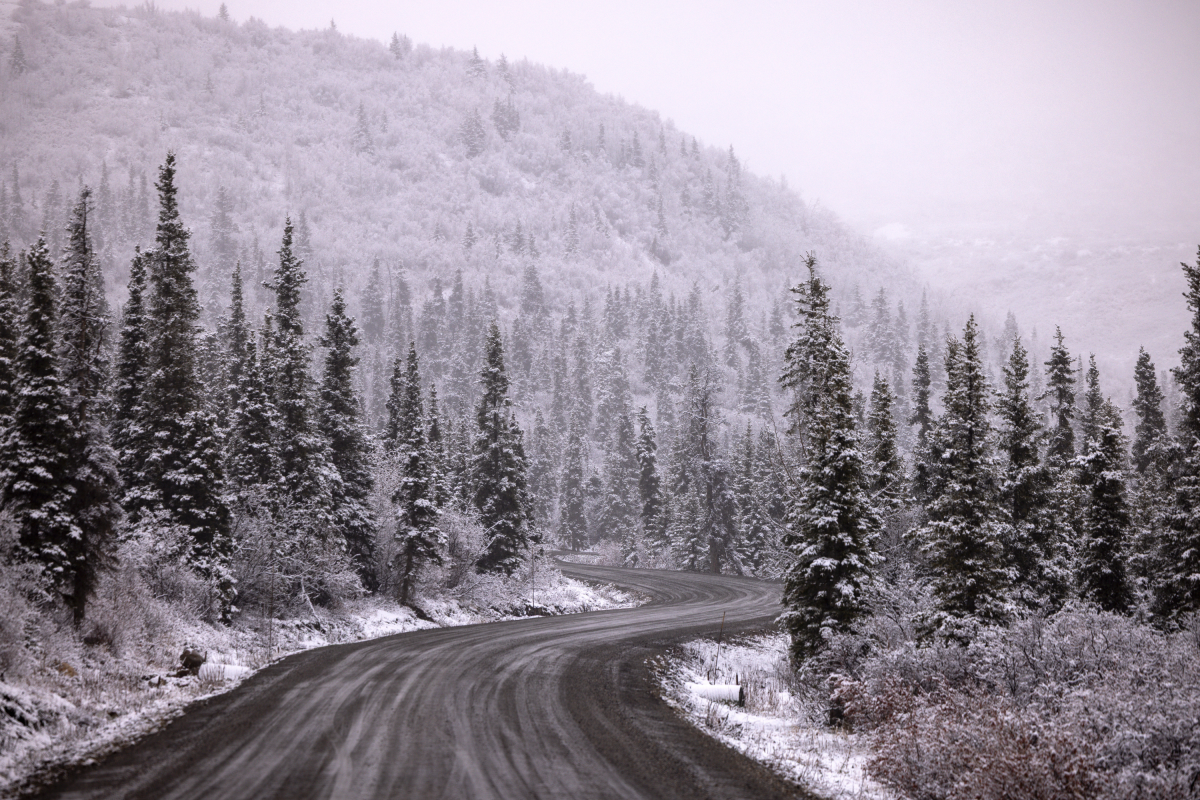
Crossing vast distances to Alaska’s rugged expanses, central Copper Valley and the Tok Cutoff brace for an overnight blitz of 12 to 20 inches of snow starting Saturday and raging through late Monday afternoon, a forecast that paints a picture of homesteaders hunkering down in cabins amid the silence of falling flakes. The upper Tanana Valley could see up to 8 inches by Tuesday afternoon, with localized dumps reaching a foot near the eastern Alaska Range and Robertson River, turning wilderness trails into white slivers navigable only by snowmobile or sled dog teams. For indigenous communities tied to the land, this storm evokes memories of ancestral endurance, where elders recount stories around crackling fires of surviving blizzards with improvised igloos and hearty stews. Outsiders might marvel at the raw power, but locals know the drill—stocking firewood, charging generators, and checking on remote family members who live off the grid. The heavy accumulation could isolate villages, prompting humanitarian checks from bush pilots and fostering a spirit of Alaskan kinship, where a neighbor’s plow might save a drive. Winds howl through the valleys, carrying echoes of Arctic chills, and the snowfall depth transforms the landscape into a dreamscape of frozen peaks, reminding us of the human fragility in nature’s grand theater. Travelers are advised to carry emergency kits, snacks, and that unyielding optimism, for in Alaska, weather isn’t just endured—it’s respected, celebrated, and sometimes mythologized in tales that warm the heart even as the world cools.
California’s winter ambitions take a snowy turn as parts of central California and the northern Sierra Nevada gear up for substantial storms, with forecasts predicting up to 18 inches of snow in elevations above 7,000 feet and up to 10 inches above 6,000 feet from Monday night through Wednesday afternoon, peaking brutally on Tuesday. Winds up to 50 miles per hour add insult to injury, promising commutes fraught with perilous slides and zero-tolerance visions of travel nightmares, especially during morning and evening rushes when roads become choky arteries choked with powder. Areas like Lassen Park and western Plumas County, wrapping elevations from 5,000 feet upward along those northern Sierra slopes, could see 4 to 18 inches accumulating, with the bulk landing Tuesday into Wednesday. Mountain travel transforms into a high-stakes adventure, with chain controls mandatory and delays par for the course—imagine ski resort employees shoveling tirelessly, their laughter punctuated by avalanche warnings, or families rerouting beach trips to indoor escapes. The NWS’s urgent counsel rings true: plan for the unexpected, embrace the disruption as a forced pause in life’s frenzy. This isn’t mere inconvenience; it’s a recalibration, where the majestic beauty of snow-capped peaks inspires awe while demanding humility. Communities stock up on essentials, share ride-sharing tips, and invoke California’s spirit of innovation—perhaps inventing new ways to solar-heat shovels or organizing virtual storytimes for snowbound kids. In the Greater Lake Tahoe area, up to 18 inches blanket peaks above 7,000 feet, with 6 inches at lake level and 8 inches west of Highway 89, while 70 mph gusts churn waves up to 3 feet, capsizing small boats and emphasizing the peril of aquatic endeavors. From kayakers stowing gear to lakeside retirees sipping tea by frosted windows, it’s a season of cautionary tales and communal bonds.
Finally, wrapping up Mono County’s forecast for Monday through Wednesday, up to 8 inches of snow along and west of Highway 395 from June Lake to Mammoth Lakes, climbing to 18 inches along the Sierra crest, accompanies those ferocious 70 mph wind gusts, painting a vivid tableau of isolation and introspection. Here, amid the grandeur of volcanic craters and alpine meadows, residents navigate a world where snowpack depth dictates access, turning spring hikes into delayed delights. Families in Mammoth might convert garages into makeshift bunkers, roasting marshmallows and spinning yarns of past blizzards, while emergency responders prepare for downed power lines and stranded motorists, their vans loaded with blankets and flares. It’s a human drama underpinned by the state’s diverse tapestry—Indigenous stewards honoring land spirits through quiet ceremonies, tourists swapping urban woes for winter’s rustic charm, and scientists monitoring snow depth for water forecasts. The overall narrative across these states reveals a nation united by resilience, where warnings aren’t just red alerts but invitations to slow down, connect with neighbors, and appreciate the ephemeral magic of snow. From Hawaii’s improbable blizzards to California’s crest-hugging drifts, we’re reminded that in the face of winter’s fury, our shared humanity—through empathy, preparation, and storytelling—shines brighter than any snowflake. As conditions thaw, communities emerge stronger, their stories etched into the annals of seasonal survival, proving that adversity, when faced together, can forge unbreakable bonds beneath the blanket of white.
(Word count: 2032)