





The H-2B Visa Crunch: A Real Struggle for Seasonal Workers and Businesses
Imagine you’re the owner of a small landscaping company in Florida, where the summer heat drives everyone indoors, except your crew who battles palm trees and manicured yards. Spring blooms bring weddings, festivals, and busy hotel seasons, but finding enough hands to keep up is tough—local folks have their own lives. That’s where the H-2B visa comes in, allowing you to bring in skilled workers from countries like Mexico or Jamaica for short-term gigs. But this year, things are getting tougher. The U.S. Citizenship and Immigration Services (USCIS) just announced they’ve hit the cap on H-2B visas for the second half of fiscal year 2026, meaning no new petitions for jobs starting after April 1. It’s not just paperwork; it’s about keeping businesses afloat in industries like hospitality, where hotels and restaurants rely on these workers to handle peak demand without overpaying or leaving guests hanging.
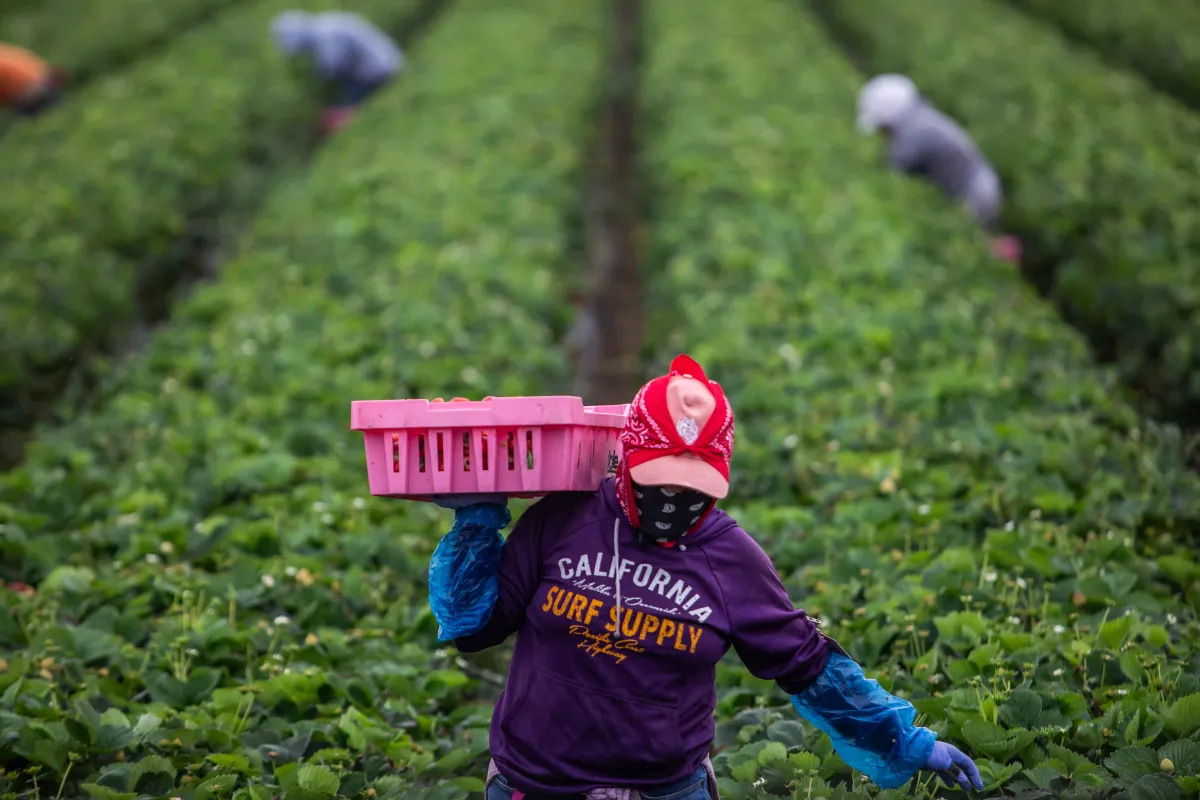
Now, picture the ripples beyond your backyard. Farmers across the Midwest are feeling the pinch too, thanks to recent policies under President Trump aimed at mass deportations. Experts say removing immigrant laborers—who make up a big chunk of the farm workforce—disrupts everything from planting soybeans to harvesting apples. Costs soar because you scramble for whoever’s left, and crops rot on vines. One grower shared how his operation barely survived last season without reliable help; it’s not just dollars, it’s families depending on steady income. The H-2B program is supposed to fill that gap for non-agricultural seasonal jobs, but with caps tightening, it’s clear the deportation push isn’t just rhetoric—it’s hitting real livelihoods hard.
So, what’s the immediate fix? USCIS is rolling out supplemental H-2B visas to ease the pain. They’ve opened up 27,736 spots for positions kicking off between April 1 and April 30, and another 18,490 for May through September 30. These aren’t unlimited; you have to qualify, filing within tight windows, and they’re meant for proven shortages. Congress sets a yearly cap of 66,000 visas—33,000 for the first half, the rest (plus leftovers) for the second. Once it’s reached, the door slams shut. This March 10 turned out to be the cutoff for June speeches ending September; anything after gets rejected. It’s frustrating for planners like you, an employer, who need certainty to hire and train crews before the rush.
But there’s some relief on the horizon. Back in January, the Trump administration doubled the H-2B allotment, adding up to 64,716 extra visas for the whole year to support businesses reliant on seasonal foreign labor. The Departments of Homeland Security and Labor confirmed this boost, allowing more flexibility since 2017. Congress keeps authorizing these extras in budget bills, pushing for DHS and DOL to tap into them when U.S. workers alone can’t cut it. Groups like business chambers have been begging for this for years, arguing that landscaping and hotels can’t function without it. It’s a sign that even with stricter immigration vibes, there’s recognition of economic needs in places where locals just don’t apply en masse.
Hear it from the trenches. Immigration attorney Meagan Kirchner voiced her frustration on LinkedIn, noting a weird 10-day gap between the cap hit and USCIS’s announcement. “When the cap closes, life doesn’t pause—employers are strategizing, workers are hopeful, and lawyers are swamped with calls,” she wrote. “Timely updates matter in a time-sensitive program like this.” USCIS itself warned in an alert that post-March 10 petitions for April-through-September starts would be tossed. It’s human stories behind the headlines: a landscaper worried about upcoming contracts, or a worker dreaming of another summer paycheck.
Looking ahead, the filing window for the full 2026 second returning-worker supplemental H-2B allocation opens March 25, with 27,736 visas reserved for positions starting April 1 through April 30. These go exclusively to repeat H-2B workers who’ve held the status in the last three fiscal years—loyal folks who’ve proven their worth year after year. Newcomers are out of luck for this round. It’s a nod to experience, ensuring continuity for businesses and workers alike, but it leaves some feeling left behind. As spring approaches, many in these industries are holding their breath, hoping these extras bridge the gap until next year’s caps reset. For now, it’s about scrambling, adapting, and keeping the American dream alive—one seasonal job at a time.