





As the Winter Olympic Games in Milan wind down to the final figure skating event—the women’s individual competition—it’s the perfect moment to pause and reflect on the dazzling drama we’ve witnessed so far. Picture the arena bathed in lights, the cold Milan air crisp with anticipation, where skaters from around the globe have graced the ice like fleeting visions of perfection. From the exhilarating team event, where nations battled for collective glory, to the intricate artistry of pairs skating, the seductive spins of ice dancing, and the raw power of the men’s individual showdown, each segment has etched unforgettable stories into the Olympic legacy. We’ve seen triumphs that stirred the soul, heartbreaks that left us breathless, and controversies that sparked debates among fans worldwide. Now, as the women prepare to take center stage for the last gold medal in skating, it’s worth looking back at the winners and losers of these Games. Who shone brightest, and who stumbled in the shadows? In my view, these events weren’t just about jumps and spins; they were about human resilience, the fragility of dreams, and the electric buzz of performing under the world’s gaze. It’s a testament to how, even in the most glitzy sport, the human element shines through—nerves frayed, spirits lifted, and destinies rewritten in an instant.
One of the most inspiring winners so far has been the Japanese duo, Ryuichi Kihara and Riku Miura, who clinched the pairs gold in a comeback tale for the ages. I can still feel the chill of the arena air as I imagine that Sunday nightmare: Kihara, the powerhouse in that dynamic pair, failing a crucial lift that dashed their dreams and sent them tumbling to fifth place. It must have been devastating, like the ground giving way beneath your feet just when you thought you were flying. But here’s where the magic of the human spirit kicks in—Kihara didn’t let that defeat define him. With a mental fortitude that’s almost superhuman, he and Miura stormed back on Monday, delivering a free skate that shattered the world record. Their program was a symphony of precision, emotion, and breathtaking lifts, each element executed with the kind of synergy that makes pairs skating feel like a love story on ice. Watching them soar, you couldn’t help but root for them; it was as if all the heartache of their preparation—those grueling early mornings, the physical sacrifices, the endless rehearsals—paid off in one triumphant moment. Their win wasn’t just a victory; it was redemption, proving that even in the pressure cooker of the Olympics, where a single mistake can end it all, perseverance can turn catastrophe into glory. Ryuichi Kihara, with his stoic determination, embodied that quiet heroism, and Riku Miura, with his graceful support, made it a shared dream come true. In a sport where partners rely on implicit trust, their bond resonated deeply, reminding us that behind every Olympic glow is a story of human connection and unyielding willpower.
On the flip side, one of the biggest losers in my book has to be the ice dancing event, which erupted into a volcano of controversy and left everyone scratching their heads. Ice dancing is supposed to be this ethereal blend of athleticism and artistry, where partners glide like ballerinas on blades, weaving narratives through their routines. But this year’s competition in Milan descended into chaos, with fans and experts alike fuming over the judging that crowned the French duo Gabrielle Papadakis and Guillaume Cizeron as gold medalists over the American pair Madison Hubbell and Zachary Donohue in second. The outrage was palpable—social media lit up with angry posts, pundits dissected the scores in endless debates, and whispers of bias lingered like a bad aftertaste. It was like watching a beautifully choreographed ballet only for the ending to be rewritten by some arbitrary force. How could skaters pour their hearts into performances laden with precision, emotion, and historical significance, only to see it all questioned? The controversy stemmed from perceived inconsistencies in scoring—what one judge saw as artistic brilliance, another dismissed as flaw. It not only overshadowed the hard work of the athletes but also tainted the joy of the event, leaving a sour note in an otherwise spectacular Games. Permian officials are now talking rule changes for next season, like overhauling the judging criteria to restore fairness. In the end, ice dancing, which should have been a highlight of elegance and passion, became a symbol of Olympic discord, where the pursuit of perfection collided with human judgment’s imperfections. It’s a shame, because these athletes train relentlessly for years, sacrificing personal lives for moments of magic, only to have their efforts clouded by off-ice disputes. It made me reflect on how sports can unite or divide us, and in this case, it was divisive.
Shifting gears to brighter spots, the women of figure skating have emerged as undeniable winners, stealing the show and proving their mettle in ways that have left audiences spellbound. While the men’s events garnered buzz with flashy quad jumps and high expectations, it was the ladies who consistently delivered powerhouse performances, turning the ice into a canvas of grace and grit. Think about Kaori Sakamoto, whose delicate yet ferocious routines combined technical prowess with emotional depth, or Alysa Liu, the young phenom who hasn’t just competed but commanded the boards with her innovative footwork and unyielding courage. Amber Glenn and others in the pairs events brought a wave of empowerment, their synchronized leaps symbolizing strength and solidarity. In contrast, some of the top men faltered under pressure, missing personal bests or stumbling near the finish line—perhaps overwhelmed by the crescendo of Olympic scrutiny. The women, however, maintained an incredible consistency from the team event through to pairs finals, displaying mental toughness and artistic flair that redefined excellence. It’s inspiring to watch these athletes, many of whom juggle rigorous training with personal challenges, rise above the noise. Sakamoto’s story, for instance, of overcoming injuries and self-doubt, mirrors the human journey many of us face; her performances felt like victories for perseverance. As the last two days of competition approach—the women’s individual events—we’ll see if this trend holds, but already, their collective shine has illuminated the Games, reminding us that true champions aren’t defined by hype but by heart.
Yet, amid these triumphs, there’s been a notable loser in the form of the Italian ice itself—not the delicious dessert, but the actual rink underfoot. Photos circulating online have painted a sorry picture: what should be a pristine sheet of frozen splendor has morphed into a slushy mess after performances, with puddles forming and the surface turning treacherous. This degradation might explain some of the falls and disruptions we’ve seen in the first week, like when skaters, mid-spin, suddenly wobble into flubs that cost them dearly. It’s disheartening because figure skating demands perfection from athletes who train against the clock to synchronize every move, only for the environment to betray them. The poor ice conditions probably stemmed from Milan’s variable weather, fluctuating temperatures that melted the arena’s artificial chill, but whatever the cause, it added an unfair layer of risk. And then there’s Mikhail Shaidorov, the 21-year-old from Kazakhstan, who stands out as a winner precisely because he conquered this chaos. Skating on the same choppy, slushy ice as everyone else, Shaidorov kept his cool and delivered a gold-medal routine in the men’s individual event. While rivals around him faltered, losing their footing and momentum, he relied on his technical skill and unshakeable nerves to punch through. Heading into the finals, he likely hoped for just a bronze by avoiding the falls; instead, as others tumbled, he capitalized brilliantly. His story is one of steady determination against odds—growing up in Kazakhstan, far from figure skating’s hubs, he honed his craft through grit and vision, turning potential adversity into advantage. Shaidorov’s win isn’t flashy; it’s earned, a testament to resilience. It humanizes the sport, showing that glory often favors the methodical over the flamboyant, and in this Olympics, it was his turn to shine.
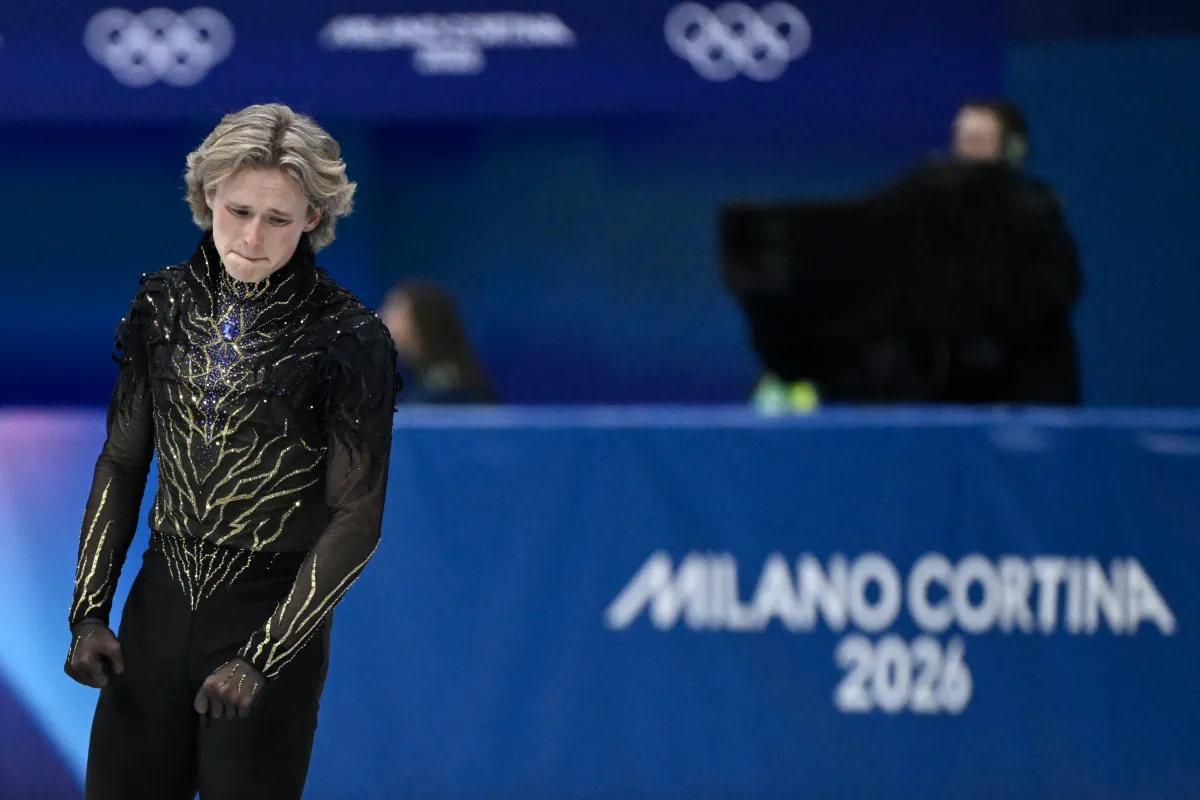
Finally, speaking of fallen stars, I can’t quite label Ilia Malinin as a loser, even after that historic collapse in the men’s finals when the weight of it all brought the so-called “Quad God” back to earth. Yes, Malinin stumbled—a catastrophic fall that ended his bid for individual gold—and it felt like a seismic shift, especially for someone who had redefined what’s possible with quadruple jumps. But context is everything; he didn’t walk away empty-handed. Malinin secured a gold medal in the team event, a victory that wouldn’t have happened without his undeniable contributions. If he hadn’t pulled double duty for Team USA, stepping up to dazzle with quads that wowed the world, the Americans might have settled for silver behind Japan. It’s a reminder that competitions are multifaceted, and one blemish doesn’t erase an entire legacy. Malinin’s journey to Milan was one of immense pressure—he’s young, hailed as a prodigy, and carries the hopes of a nation on his broad shoulders. That fall? A human moment, raw and relatable, where the body betrays the mind under relentless stress. Yet, hanging that team gold around his neck means he’s no loser; he’s a champion who tasted defeat but didn’t let it define him. In the grand tapestry of the Olympics, where athletes give everything, including pieces of their souls, Malinin’s story is one of triumph tinged with humility. It ends with him leaving Milan as a gold medalist, not bowed but buoyed, ready to rebuild. And isn’t that the beauty of sports? They reflect our flaws and our flights, turning athletes into mirrors of the human experience. As the Games close, Malinin reminds us that even gods can fall, but it’s how they rise that matters most.