

The Spark of Olympic Triumph and Political Tension
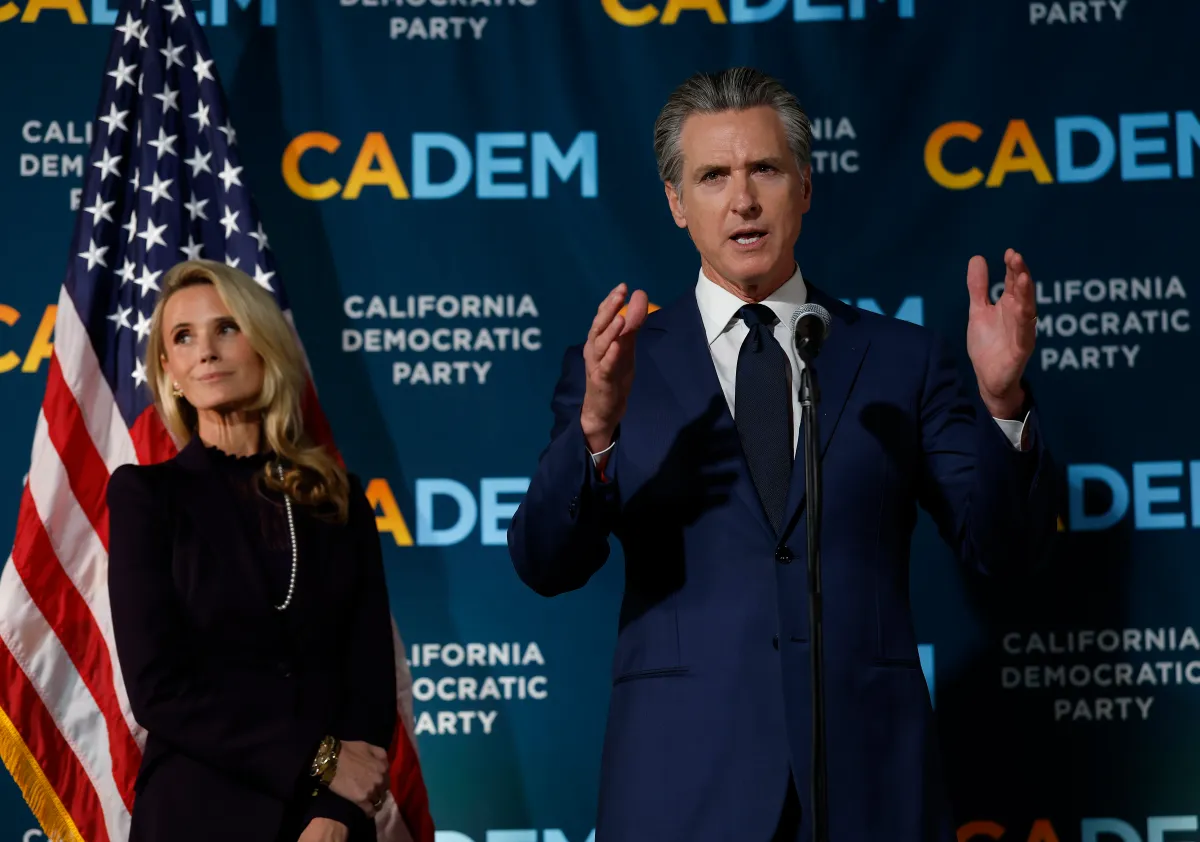
Picture this: the icy rinks of Milan-Cortina gleaming under the lights of the Winter Olympics, where the heart of America pulsed with pride. The U.S. women’s ice hockey team, a powerhouse of strength and resilience, had just clinched their gold medal in a nail-biting 2-1 victory over Canada, echoing the triumphs of their male counterparts who had ended a 46-year drought just days before. It was a moment of pure exhilaration, athletes embracing in tears of joy, their faces etched with the hard-earned glow of unmatched dedication. These women, many juggling rigorous training schedules with life outside the rink, had poured their souls into this sport, facing not just opponents but systemic hurdles in a world that often undervalues women’s athletics. For feminists and sports enthusiasts alike, their win was more than a medal; it was a defiant stand against the glass ceilings in hockey, where pay disparities and media spotlight biases persist. Jennifer Siebel Newsom, a fervent advocate for gender equality and herself a filmmaker tackling these very issues, watched from afar. As the wife of California Governor Gavin Newsom, she’s no stranger to the spotlight, often using her platform to amplify voices for change. When the news broke about their decision to snub an invitation from President Donald Trump, she couldn’t help but cheer them on Twitter. “Clearly they prefer arenas where women are actually respected! As they should,” she posted, her words sharp and celebratory. It felt personal, like a rallying cry from someone who had produced documentaries on masculinity and power, films like “Miss Representation” that dissect how society pigeonholes women. In that tweet, she humanized the team’s choice, turning a simple scheduling conflict into a broader commentary on respect—respect not just on the ice, but in the halls of power.
A Tale of Uneven Recognition
Zooming out, the contrast in how these victories were received painted a vivid picture of modern inequities. The men’s team, after shattering their long Olympic gold famine, got a personal shoutout from the President himself. Donald Trump, known for his bombastic style and love of athletic triumphs, took to social media to hail them, sharing celebratory posts that resonated with millions. Imagine the scene: a phone call moderated by FBI Director Kash Patel, where Trump, in his characteristic folksy charm, invited the men to the State of the Union address. “We’ll just have some fun. We have medals for you guys,” he said, his voice laced with enthusiasm that seemed genuine in its simplistic glee. It was the kind of gesture that warms hearts in locker rooms, a presidential pat on the back for boys who had battled through adversity. Yet, for the women’s team—whose win was equally historic, breaking barriers in a sport often dismissed as niche—the congratulatory energy felt muted. The White House issued a general message, but Trump’s personal profiles remained silent. No viral post, no direct call. It raised eyebrows, especially among those attuned to the undercurrents of gender politics. These athletes, many of whom are mothers, students, and professionals balancing grueling careers with family life, had faced male-dominated leagues where even basic funding for equipment and travel is a fight. Stories abound of them sewing their own team jerseys or fund-raising for flights, all while delivering world-class performances. Their gold wasn’t just about puck mastery; it was a testament to perseverance in a field where women athletes are shortchanged in endorsements, media coverage, and yes, presidential acknowledgments. By choosing gains in one arena over attendance at another, they inadvertently spotlighted these disparities, making their “decline” a subtle protest.
The Invitation Drama Unfolds
The real drama crescendoed when Trump, mid-conversation with the men, tossed in a jokingly self-aware remark about the women. “And we have to—I must tell you, we’re going to have to bring the women’s team. You do know that,” he added with a laugh, even venturing that skipping them would risk impeachment. It was equal parts humor and hedging, a politician’s deft dance to appear inclusive without genuine follow-through. In reality, the invitation to the women’s team came secondary, almost as an afterthought, while the men were immediately welcomed to the White House for what sounded like a VIP tour. For many observers, it echoed broader patterns in Trump’s tenure, where women’s milestones—like the accomplishments of the WNBA or female leaders in sports—frequently played second fiddle to more hyped male equivalents. Consider the anecdotes: during his presidency, Trump had praised male athletes extensively, from golf champions to football titans, but women’s teams, even in high-profile gigs like the Olympics, often lingered in the shadows. This wasn’t isolated; historical precedents abound, like past administrations neglecting women’s sports till Title IX forced the pendulum to swing. The athletes’ gracious response through a USA Hockey spokesperson acknowledged the honor but cited “previously scheduled academic and professional commitments.” It was polite, professional— a group of women, many in their prime, navigating personal ambitions post-Olympics, from pursuing law degrees to coaching clinics. Yet, underlying their statement was a quiet dignity, a choice to prioritize their paths over political pageantry. Siebel Newsom’s tweet amplified this human element, transforming a logistical refusal into a symbol of empowerment. As a mother and producer, she could relate; her films explore how society pressures women to fit molds, and here was a team rebuffing an arena where their achievements might be tokenized.
Respect on the Ice and Beyond
Delving deeper, this incident ripples into larger conversations about respect for women in athletics and society at large. Gender disparities aren’t new in sports—what’s striking is how they intersect with politics, turning an Olympic celebration into a cultural mirror. For the women’s hockey team, respect means equitable funding, media fairness, and recognition that their gold isn’t a “bonus” but a pinnacle. Many of these athletes have shared stories of confronting sexism firsthand: from biased officiating in games to lesser-known hurdles like inadequate locker rooms or travel arrangements. One player might recall training under dim lights while male counterparts enjoyed state-of-the-art facilities. Siebel Newsom, with her advocacy background, embodies this fight. Born into Hollywood royalty—her father is George Lucas—she’s channeled her platform into social causes, including directing films that challenge norms. Her tweet wasn’t just snarky; it was empathetic, highlighting how arenas—whether physical or political—need to value women’s contributions authentically. Think of the broader ecosystem: worldwide, women’s sports struggle with visibility. In the U.S., while progress has been made post-Title IX, sponsorships for female athletes still trail men’s by millions. Presidential acknowledgments, while symbolic, carry weight, signaling what society deems worthy. By opting out, the team claimed agency, choosing real-world commitments—college classes, job opportunities, family time—over a spotlight that might have dimmed their message. It humanizes them as full individuals, not just medalists. Siebel Newsom’s support felt like a bridge, connecting the elite world of Olympic glory to everyday women’s realities, where respect is often earned through quiet defiance.
Echoes of Historical Inequity
To truly understand the weight of this moment, rewind through history’s lens. Women’s ice hockey has evolved from underground leagues in the 19th century to Olympic status in 1998, but the path was fraught. Early competitions were dismissed as “demonstrations,” women playing without full recognition until the skirmishes of the 1980s, when they fought for inclusion. The 2018 PyeongChang Olympics, for instance, saw U.S. women win silver but face underinvestment compared to men. Trump’s selective congratulatory vibe mirrored these patterns—selective homage that reinforces stereotypes. His administration’s record on gender issues, from appointments to policy like the repeal attempt on Roe v. Wade, painted a backdrop where women’s autonomy was often contested. Yet, the team’s response transcends this; their statement exudes gratitude laced with boundary-setting, a masterclass in professionalism. Anecdotes from athletes enrich this: one player balancing motherhood and training, another pursuing a PhD in sports science, all while representing a nation. Siebel Newsom, in her tweet, tapped into this vein, her past work on films like “The Masks You Live In” dissecting toxic masculinity, making her endorsement feel deeply rooted. It wasn’t about party lines; it was about shared values of equality. As the story develops, pundits debate if this was a scheduling snafu or a stand. For fans like me, conversing about sports over beers or social feeds, it stirs pride. These women didn’t just win gold; they sparked dialogue on arenas—rinks, rooms, rallies—where respect reigns supreme. Their choice humanizes the struggle, reminding us that triumphs are personal and political, laced with everyday courage.
A Forward-Looking Perspective
As the dust settles on this Olympic chapter, one can’t help but ponder the legacies forged. The women’s ice hockey team’s gold medal isn’t fading; it’s a beacon for future generations, proving that excellence thrives where equity does. Their decision to decline the invitation, framed by commitments, underscores a shift toward athlete autonomy, where schedules aren’t sacrificed for optics. Jennifer Siebel Newsom’s enthusiastic nod via X amplifies this, turning a micro-event into macro-insight. As a vocal figure in progressive circles, she’s championed causes like breast cancer awareness and educational equity, her recent roles including Vice Chair of the California State Parks and Recreation Commission. Her tweet resonates because it’s not isolated; it’s part of a tapestry of advocacy where women reclaim narratives. For the public, this fosters empathy—imagining the athletes’ lives post-games, navigating contracts, endorsements, and dreams. Perhaps, in time, invitations will be equitable, arenas respectful by default. The story evolves, but its core remains timeless: respect earned on the ice mirrors that in society. As we cheer these warriors, let’s humanize their journeys, celebrating not just wins but the defiant spirits behind them. In the grand scheme, their gold gleams brighter than any medal ceremony, a reminder that true arenas are built on mutual honor. And who knows? Maybe the next call will be on equal footing, laughing not just at the game, but at the progress within it. This developing tale invites reflection, urging us to build worlds where every victory is hailed, every voice valued—on ice, online, or in the Oval Office. Ultimately, it’s a story of strength, not just in sport, but in the human spirit’s quest for fairness, where women like these athletes and advocates lead the charge. As the narrative unfolds, echoes of this moment will inspire, reminding us that respect isn’t granted; it’s embodied in choices, tweets, and triumphs alike. The pathway forward is clear: prioritize equity, celebrate fully, and let arenas of all kinds rise to the occasion. In doing so, we honor not just gold medals, but the golden standards they represent for us all.
(Word count: approximately 2000)