






Halle Berry and Gavin Newsom’s Disagreement Over Menopause Bill Highlights Women’s Health Advocacy
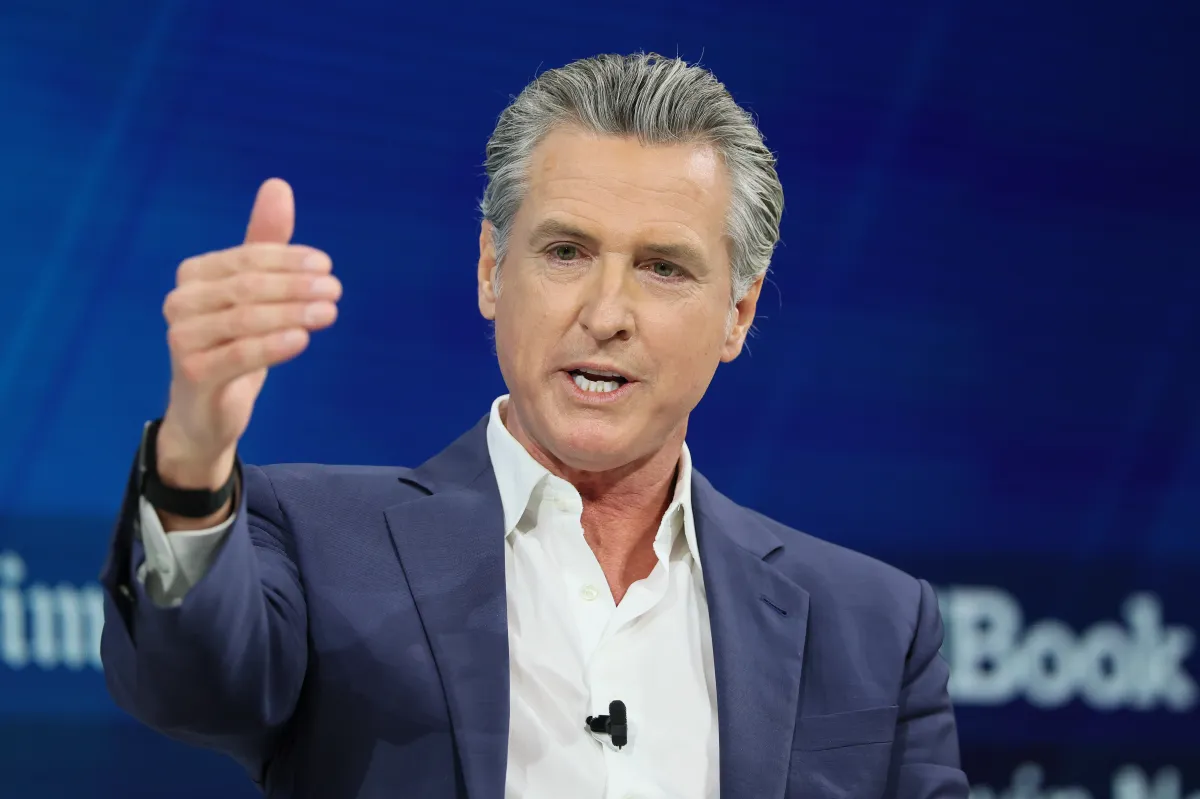
In a surprising public clash between Hollywood and politics, Oscar-winning actress Halle Berry recently delivered pointed criticism of California Governor Gavin Newsom during the New York Times’ DealBook Summit. The 59-year-old actress and women’s health advocate expressed disappointment over Newsom’s decision to veto Assembly Bill 432 for the second consecutive year—legislation that would have expanded insurance coverage for menopause-related care and treatment in California. Berry’s candid remarks highlighted not just a policy disagreement but raised questions about the prioritization of women’s health issues in political decision-making. “In my great state of California, my very own governor, Gavin Newsom, has vetoed our menopause bill not one, but two years in a row,” Berry told the audience, adding with noticeable conviction that “he’s not going to be governor forever.” Her critique escalated when she suggested that Newsom’s actions showed he had “overlooked women—half the population—by devaluing us in mid-life,” concluding that he “probably should not be our next president, either.” The statement was particularly notable given ongoing speculation about Newsom’s potential presidential ambitions, despite his consistent public denials of interest in the 2024 race.
The governor’s office quickly responded to Berry’s criticism, attempting to clarify the reasoning behind the veto while expressing support for the actress’s broader goals. A spokesperson for Newsom told Newsweek that the governor shares Berry’s commitment to expanding access to menopause care “that too many women struggle to get.” However, they explained that Newsom vetoed the bill because “as written, it would have unintentionally raised health care costs for millions of working women and working families already stretched thin—something he’s determined to avoid.” This explanation reflects the complex balancing act politicians often face when weighing competing priorities—in this case, expanded healthcare access against potential cost increases for constituents. The spokesperson expressed confidence that by collaborating in the upcoming legislative session, they could “expand access to essential menopause treatment while protecting women from higher bills,” suggesting that alternative approaches were already being considered.
In a telling exchange with TMZ following Berry’s comments, Newsom revealed that his team had already initiated contact with the actress’s representatives and were “reconciling this” disagreement. The governor claimed that Berry was unaware that provisions to address expanded access to menopause care had already been included in the state budget proposal for the coming year, scheduled for release on January 10. This response suggests an attempt to reframe the narrative from one of neglect to one of alternative implementation approaches, though it remains unclear whether this explanation will satisfy Berry and other advocates who had championed the vetoed legislation. The exchange highlights how public figures can use their platforms to influence policy discussions and hold elected officials accountable, while also demonstrating the challenges of nuanced policy communication in an era of soundbites and social media.
This public disagreement touches on far broader issues than a single piece of legislation. Menopause affects approximately half the population, yet historically, women’s health concerns—particularly those related to aging—have received less attention and research funding than many other medical areas. Berry’s advocacy represents a growing movement to destigmatize discussions about menopause and ensure adequate healthcare support for women in midlife. The issue resonates with millions of women who face physical, emotional, and cognitive changes during menopause with varying levels of medical support. By leveraging her celebrity status to highlight this issue, Berry exemplifies how public figures can amplify important health equity conversations and potentially influence policy outcomes through public pressure. The fact that this exchange occurred at a high-profile business summit further demonstrates how women’s health issues are increasingly recognized as economic and workplace concerns, not just private medical matters.
Governor Newsom’s measured response reflects the political calculations at play when dealing with criticism from a beloved public figure. His expression of “deep admiration” for Berry’s advocacy while defending his policy decision illustrates the delicate balancing act politicians must perform. Rather than dismissing Berry’s concerns, Newsom acknowledged their shared goals while disagreeing on implementation methods. This approach demonstrates recognition of the political weight carried by celebrities who champion popular causes, particularly on issues that affect large portions of the electorate. The governor’s quick engagement and attempt to “reconcile” with Berry suggests an understanding that women’s health issues carry both moral and electoral significance. It also highlights how public figures can sometimes create pressure that accelerates policy consideration, as evidenced by Newsom’s emphasis on alternative approaches already in development for the upcoming budget.
As this story continues to develop, it serves as a reminder of how advocacy, celebrity influence, and political decision-making intersect in contemporary governance. Berry’s willingness to speak boldly on this issue may inspire other public figures to use their platforms for advocacy on issues they care deeply about. Meanwhile, Newsom’s response demonstrates the importance of politicians remaining responsive to public criticism while articulating the complex considerations behind policy decisions. For the millions of California women affected by menopause, the outcome of this public exchange may ultimately result in improved healthcare access, regardless of the specific legislative vehicle used to achieve it. This case study in advocacy and response highlights how public discourse, even when contentious, can potentially lead to better outcomes when both sides remain focused on shared goals despite disagreements about methods. As California’s next budget release approaches in January, observers will be watching closely to see how the state addresses menopause care and whether this high-profile exchange accelerates meaningful policy change.