



The Simmering Tensions: A Global Crisis Unfolds
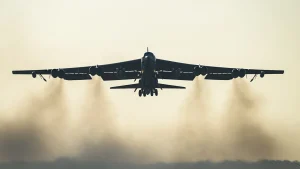
In the heart of a rapidly escalating international standoff, the United States and its allies, including Israel, have launched coordinated airstrikes against Iran, targeting what officials describe as the nation’s nuclear ambitions. At the center of this chaos was the tragic assassination of Iran’s Supreme Leader, Ayatollah Ali Khamenei, a figure who symbolized spiritual and political authority for millions. His son, Mojtaba Khamenei, was swiftly appointed as successor, thrusting the Islamic Republic into further uncertainty. Iran retaliated with missiles and drones aimed at U.S. military bases across the Middle East, heightening fears of a broader conflict. With strikes now into their tenth day, global oil prices have surged past $100 a barrel for the first time since 2022, rippling shockwaves through economies and sending everyday essentials like fuel and groceries into turbulent territory. Families worldwide grapple with uncertainty—parents worrying about loved ones traveling for business or vacations, students abroad eyeing their study plans, and expatriates contemplating quick flights home. The U.S. State Department, in response, has rolled out urgent travel advisories, urging Americans to tread carefully in volatile regions. These warnings aren’t just bureaucratic red tape; they’re lifelines for ordinary people caught in geopolitical crossfire, emphasizing the human cost of war—a cost measured in uprooted lives, shattered dreams, and the constant shadow of danger. As diplomats and families huddled in embassies watch the skies for incoming threats, the world feels palpably smaller, more interconnected, and infinitely more fragile.
Navigating Danger in the Gulf: Qatar, Kuwait, and Bahrain’s Cautious Stance
Diving into the Gulf states, where ancient trade routes now pulse with modern peril, the U.S. State Department has slapped Level 3 advisories on Qatar, Kuwait, and Bahrain, advising citizens to seriously rethink travel due to armed conflict and potential drone or missile strikes. In Qatar, a bustling hub of international commerce and tourism, Americans are warned of flight disruptions and the lurking threat of Iranian attacks, with non-emergency embassy staff already evacuated to safer grounds. Imagine a family planning a quick layover for a shopping spree in Doha, only to find their itinerary derailed by chaos— that’s the reality for countless travelers. Kuwait, echoing similar risks, saw its advisory upgraded, with poignant advice to shelter indoors against UAV assaults, evoking memories of past vulnerabilities from the 1990 Gulf War remnants like landmines near Iraqi borders. Children in Kuwait City might now cling to their parents at night, sirens turning bedtime stories into tales of survival. Bahrain, hit directly by Iranian drones injuring 32 people earlier this week, underscores the terror of unannounced attacks on everyday spots like malls and markets, making even a casual café visit feel like a gamble. These advisories humanize the peril: tourists dreaming of Arabian Nights adventures now face harsh realities, workers in oil refineries doubly cautious, and families with young children prioritizing safety over exploration. The message is clear—reconsider, monitor updates, and remember, home might be the safest luxury right now, turning exotic getaways into cautious retreats.
Emirates and the Peninsula: UAE, Saudi Arabia, and Omar’s Quiet Warnings
Further along the Arabian Peninsula, the United Arab Emirates and Saudi Arabia bear Level 3 advisories, weaving terrorism fears with the specter of armed conflict into daily life, while Oman hones in on operational limitations. In the UAE, a glittery oasis of skyscrapers and luxury, tourists and expats are alerted to dangers at shopping plazas, places of worship, and areas linked to Jewish or Israeli communities—reminders that global tensions can shatter serene diversions like desert safaris or Dubai malls. With embassy personnel departed, families here might feel isolated, their holiday snaps now laced with anxiety. Saudi Arabia ramps up the caution with risks from Yemen’s armed groups launching missiles across the border, painting a picture of vulnerable towns and restricted zones where everyday joys like hiking or visiting markets carry unseen threats. Think of a young professional in Riyadh, texting loved ones about missile alerts, or a pilgrim en route to Mecca pondering prayers interrupted by war. Oman, standing apart with its maritime allure, faces terrorism concerns amplified by holidays when attacks might flare, yet its advisory centers on limited embassy support—citizens must navigate smugglers and coastal uncertainties alone, humanizing how even paradise islands can harbor shadows. These places, once synonymous with hospitality, now demand vigilance, where a delayed flight or a banned social media post could mean the difference between adventure and crisis, urging Americans to weigh heart and head before booking flights.
Adjacent Nations in Turmoil: Pakistan, Cyprus, Turkey, and Jordan
Shifting north and east, warnings extend to Pakistan, Cyprus, Turkey, and Jordan, where terrorism, kidnappings, and borders simmer with unrest, leveling advisories that speak to deeply personal risks. Pakistan’s Level 3 alert implores reconsideration in ports like Balochistan and Khyber Pakhtunkhwa, rife with terrorism and sectarian violence—evoking stories of trekkers abducted in remote passes or families fleeing near the Line of Control with India, where gunfire echoes like unwelcome fireworks at a village festival. In Cyprus, divided by long-standing conflict, the advisory highlights limited embassy aid in Turkish-administered areas, making a sun-soaked island escape feel fraught for Americans seeking reconnection with heritage or romance. Turkey escalates to a Level 2 globally but spikes to Level 4 in the southeast, fueled by anti-Western sentiments post-Iran strikes—imagine a businessman in Istanbul dodging protests or a tourist in Antalya retreating indoors to avoid anti-U.S. fervor, families abroad sensing the sting of isolation. Jordan, with its rich history of Biblical lands, carries a Level 3 caution against terrorism near Syrian and Iraqi borders, where crime and unrest lurks, turning leisurely journeys into cautious detours. For expatriate communities, these advisories sting deeply: educators volunteering in Jordan, aid workers in Turkey, or relatives visiting Cypriot roots now weigh evacuations against emotional ties, humanizing how geopolitics disrupts not just plans, but the fabric of human connections worldwide.
The Epicenter’s Echo: Iraq and the Call to Flee
At the conflict’s vortex, Iraq stands out with a stark Level 4 advisory, bluntly stating “Do not travel… Leave now if you are there,” amid terrorism, kidnappings, and civil strife that has already prompted embassy pullouts. This isn’t mere suggestion—it’s a dire alarm for the brave few who might linger: journalists risking lives to document turmoil, diplomats hurriedly packing suitcases, or ordinary travelers trapped in a web of unrest. Iraq’s narrative, shaped by years of war’s scars, amplifies the human toll—families in Baghdad shielding their kids from car bombs, expats recounting harrowing escapes from captivity or violence that could strike a market in seconds. With the U.S. government’s limited rescue capabilities, the advisory evokes profound empathy for those stranded, their dreams of cultural immersion or work assignments eclipsed by survival imperatives. Countless stories emerge: a young student in Erbil texting frantic home, a humanitarian worker debating risks against helping others, underscoring how one nation’s chaos ripples outward, forcing heart-wrenching choices on individuals far from home. This level of warning isn’t about bureaucracy; it’s about lives—reminding us that in the face of such peril, distance isn’t safety, and vigilance is the only ally in an unpredictable world.
Reflections on a World at Crossroads: Compassion in Crisis
As this conflict unfolds like a tapestry of interwoven fates, the travel advisories paint a picture not just of geopolitical chess but of human resilience and vulnerability. Families separated by borders, workers postponing dreams, and adventurers pivoting to caution embody the true cost—far beyond headlines of leaders fallen or missiles launched. In Qatar’s disrupted airports, Kuwait’s sheltered homes, Bahrain’s injured communities, the UAE’s bustling yet wary streets, Saudi Arabia’s border tensions, Oman’s isolated corners, Pakistan’s shadowed provinces, Cyprus’s divided tranquility, Turkey’s protest-heavy plazas, Jordan’s historical havens, and Iraq’s urgent exodus, millions navigate fear with hope, urging loved ones to stay informed and prioritize well-being. The State Department’s warnings, often ending with calls to register for alerts and monitor local news, empower individuals to make informed choices, fostering empathy for those in harm’s way—whether tourists adapting plans or locals bearing the brunt. Yet, amid the chaos, there’s a quiet call for dialogue and de-escalation, a hope that oil surges and air strikes might yield to peace, allowing travel to bloom again as a unifier rather than divider. For Americans worldwide, this is a moment to cherish connections, reassess priorities, and remember that behind every advisory lies a story of courage and humanity striving to transcend conflict. As tensions simmer, may we all tread lightly, with hearts attuned to those caught in the crossfire.