





A Stealthy Secret in the Embrace of Friendship
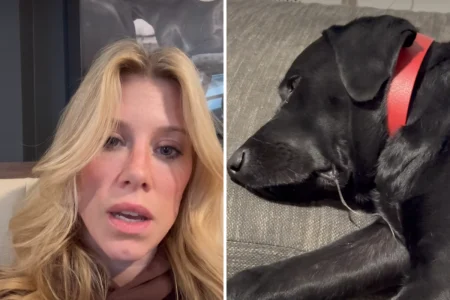
Davis Bourgeois, a 30-year-old from sunny Orange County, California, had always prided herself on being the life of any gathering—laughing easily, sharing stories over glasses clinking, and matching her pals sip for sip. But life threw her a curveball that fall evening, one that forced her to recalibrate everything. Just weeks prior, she’d endured the heart-wrenching pain of a miscarriage, a loss that left her reeling emotionally, questioning the fragility of hope itself. Now, barely eight weeks into her second pregnancy, Davis found herself pregnant again, a tiny secret blossoming inside her like a tender seedling. The joy was there, undeniable and warm, but overshadowed by a storm of anxiety. “It felt like walking on eggshells,” Davis later reflected in interviews, her voice carrying the weight of vulnerability. She wasn’t ready to open up yet, not until she’d heard that reassuring thump of her baby’s heartbeat during an ultrasound. Sharing too soon could shatter the delicate peace she was clinging to, especially in a world where well-meaning friends often pry with eager curiosity.
The planned wine night with her close friends amplified her tension. These were the women who’d cheered her through the fertility journey, knowing she’d been trying to conceive. Declining a drink or even sipping slower than usual could spark those innocent but intrusive questions: “Everything okay? You’re glowing—is it time yet?” Davis cringed at the thought, imagining the spotlight turning her way, forcing her to either deflect with half-truths or spill prematurely. She valued her autonomy deeply, a trait forged from past insecurities and losses. So, she devised a plan that felt both ingenious and slightly absurd—a way to blend in seamlessly. “I wanted to protect my bubble,” she explained, “where I could just be Davis, not the expectant mom-in-waiting.” The society she navigated often assumed it was fair game to ask about pregnancies, but for her, it stripped away control. Instead of crumbling under the pressure, she channeled her nervous energy into preparation, visualizing the evening like a covert operation in her favorite spy movies.
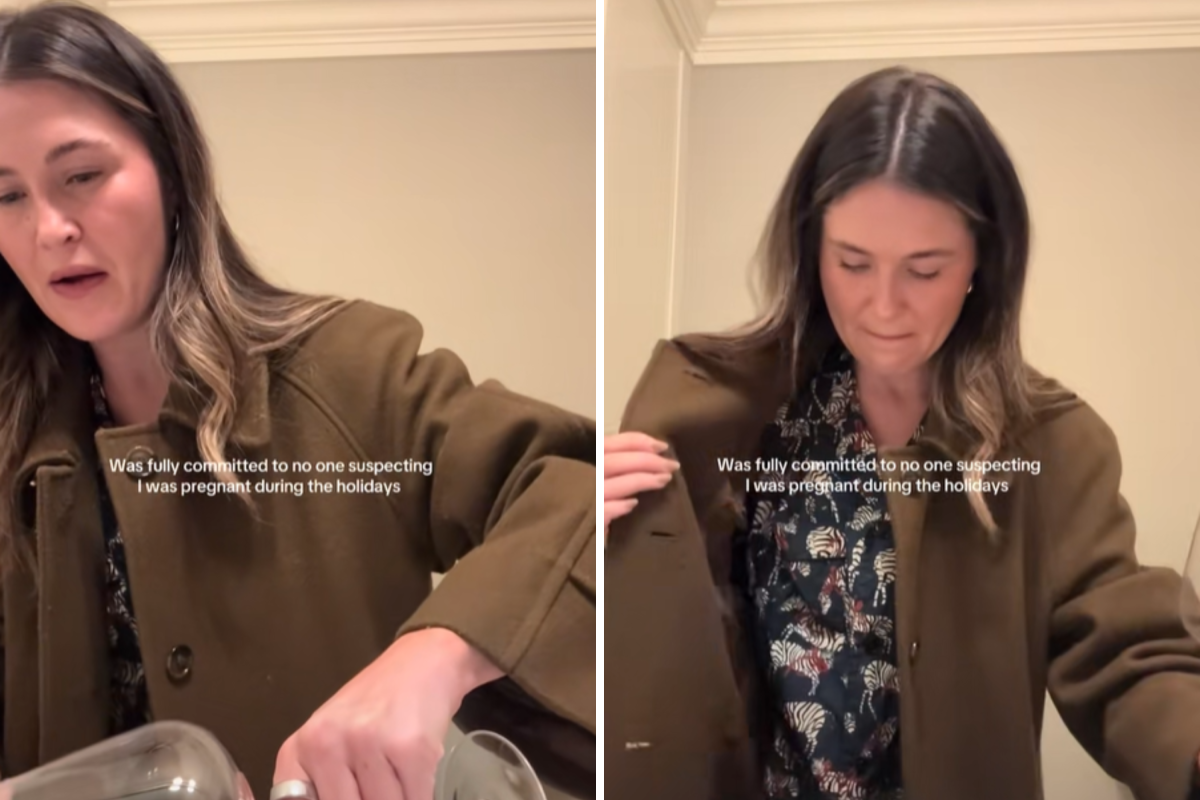
The night before, Davis swung by Trader Joe’s, her go-to spot for affordable finds, and picked up an $8 bottle of non-alcoholic wine—crisp, convincing, and just the ticket. She poured its contents into a sturdy plastic bag, the kind you’d use for picnics, and secured it in the pocket of her cozy coat, feeling a rush of empowerment. It wasn’t about craving the tang of real wine; it was about deflection, a shield against unwanted probes. As she dressed for the evening—slipping into a favorite sweater and jeans that still fit comfortably—she rehearsed her moves in her mind, imagining scenarios where suspicion might arise. The bag pressed reassuringly against her side, a tangible reminder that she was in charge. Davis wasn’t alone in her worries; many women tread this path, balancing excitement with dread, especially post-loss. She thought of others who’d shared similar stories online, fueling her resolve. Heading out, she steeled herself for the first pour, knowing one slip could unravel her carefully woven secrecy.
Arriving at the gathering, laughter bubbled around her as friends greeted each other with hugs and quips. The living room smelled of cheese platters and fallen leaves, a quintessential autumn vibe. Davis grabbed her first glass without missing a beat, mimicking her usual gusto, sipping and chatting as if nothing had changed. Inside, her heart raced, a mix of exhilaration and nerves. When the moment for the switch presented itself—a pretend phone call about work, something common since she often handled after-hours emergencies—she excused herself casually. Clutching the wine glass, she ducked into the bathroom, the door clicking shut behind her. With steady hands, she poured the alcoholic drink down the sink, the sound of liquid swirling away a metaphor for shedding the weight of expectation. Out came the bag, its contents filling the glass with a swirl of faux red—innocent and indistinguishable. She rejoined the group, her secret intact, no furrowed brows or lingering gazes betraying her.
Reflecting on the evening, Davis felt a profound sense of relief wash over her. No interrogations, no awkward silences—just uninterrupted camaraderie with women who knew her well but respected her boundaries in that moment. The viral TikTok she later shared captured the essence of her “stealth mission,” a short clip that snowballed into a phenomenon. It wasn’t just about tricking friends; it was about safeguarding her emotional well-being in those precarious early weeks, a time when every jibe could feel like a loaded gun. Pregnant again so soon after loss, she grappled with hyper-protectiveness, fearing that undue scrutiny might jeopardize her peace. But that night, she reclaimed agency, becoming a symbol for countless women navigating similar terrains. Her actions resonated as a quiet revolt against societal norms that sometimes forget the personal cost of milestones.
The clip’s explosion—over 12.5 million views—sparked a dialogue that humanized pregnancy secrecy for millions. Comments ranged from empathy to critique: some lambasted her for wasting good wine, accusing her of weakness, while others thanked her for the inspiration, sharing their own tales of covert first trimesters. Davis shrugged off the naysayers; she knew they hadn’t walked her path. The real victory came when she revealed her story to her friends via the video—sending it post-event, letting them connect the dots. Their shocked reactions, followed by giddy congratulations, validated her choice. Beyond that circle, direct messages poured in from women drawing strength from her example, using it as a blueprint for their own “12-week missions.” In sharing her vulnerability, Davis became a beacon, proving that in a connected world, small acts of ingenuity can foster deeper understanding and support for life’s unspoken challenges. Her story transcended a simple swap, evolving into a testament to resilience, reminding us all that joy often hides in the shadows until we’re ready to let it shine.
Davis’s tale illuminated a broader truth about intimacy and expectation in modern friendships. Living in an age of oversharing—where social media amplifies every milestone—she embodied a potential backlash against unsolicited curiosity. Her approach wasn’t deceitful; it was self-preserving, a boundary drawn with creativity rather than confrontation. For many, especially after trauma like miscarriage, the first trimester is a sacred cocoon, fragile and fraught. By cleverly sidestepping convention, she not only protected her secret but also encouraged a culture of patience, where announcements come on personal terms. The viral response highlighted a divide: between those quick to judge and those eager to empathize. In the end, her tactic sparked conversations about consent in personal disclosures, fostering compassion. As more women came forward, inspired by her boldness, Davis realized her “mission” was just the beginning—a ripple effect turning individual struggles into shared strength. Her story, humble yet powerful, underlined how one woman’s quiet courage could challenge norms, making the invisible visible and the fragile, unbreakable.