





Chris Payton-Jones, a spirited soul who chased football dreams from high school fields to the glitz of the NFL, left this world too soon on April 11 in a tragic car accident. At just 30 years old, the former defensive back’s life was cut short when his sedan slammed head-on into an oncoming pickup truck in the quiet countryside of Alachua County, Florida, around 11:45 p.m. The collision was devastating; Payton-Jones was the only occupant in his car and didn’t survive. In stark contrast, the three people inside the pickup—a family perhaps returning from a late errand or a friendly gathering—walked away with only minor injuries, a cruel twist of fate that underscores how fragile life can be. News 4 Jacksonville brought the story to light, piecing together the heartbreak of a young man gone far too early. Imagine the scene: headlights piercing the night, the screech of metal, and then the silence that followed. Payton-Jones wasn’t just a name in a sports report; he was a brother, a son, a friend who lit up rooms with his infectious energy. Friends and family mourned, sharing memories of his relentless drive and warm smile. The accident didn’t just end his journey; it shattered a community that loved him, reminding us all that even those who play life’s toughest games on the field can be blindsided by its unpredictability. As we reflect on his passing, there’s a poignant link to another loss in the football world: a former Bengals running back dying earlier that year, a six-year NFL vet whose own story echoed themes of perseverance and premature farewells. Payton-Jones’s end felt like a sudden whistle blow, leaving echoes of what could have been in the hearts of those who knew him. He was a product of Jacksonville, Florida, where his roots ran deep, and his story was one of grit tempered by grace—a man who tackled life head-on, never backing down from a challenge, yet always extending a hand to help others. In the aftermath, tributes flooded in, painting a picture of a life lived vividly, if briefly. His passing sparked conversations about road safety and the unseen dangers that lurk beyond the stadium lights, but more than that, it celebrated a life dedicated to excellence both on and off the gridiron. As reports trickled in, the human cost of such accidents weighed heavily: the empty seat at family dinners, the unfinished dreams hanging in the air like a looming play. Payton-Jones embodied the American dream, rising from obscurity to touch the heights of professional sports, only to be reminded that the game doesn’t guarantee infinite plays. His friends reminisced about late-night drives similar to his final one, laughing over shared dreams and ambitions. It was a stark reminder that we must cherish every moment, every launch from the line of scrimmage, because the clock ticks unmercifully. In Jacksonville, where he had returned after his travels, people spoke of him as a beacon—a young man who never let setbacks define him, who turned potential into passion. The accident wasn’t just a statistic; it was a personal tragedy that rippled through the community, prompting loved ones to hold their own families a little tighter. As news outlets like Newsweek Sports covered it, the story gained traction, intertwining with others in the sports world, like the heart-wrenching passing of a legendary Eagles edge rusher and college hall of famer, aged 96. These tales of loss shared a common thread: the enduring impact of those who chase their passions. Payton-Jones, with his boyish grin and unyielding tenacity, was no different—a reminder that behind the tackles and touchdowns lie real people with real stories.
Growing up in Sandalwood High School in Jacksonville, Chris Payton-Jones was the kind of kid who made coaches’ hearts swell with pride. Adam Geis, his beloved high school coach, remembered him as one of his all-time favorites, a player who never missed a workout, practice, or had any inclination to sit on the bench. “The kid never missed a workout, never missed practice, and never wanted to come off the field,” Geis recounted to News 4 Jacksonville, his voice thick with emotion. Payton-Jones wasn’t just talented; he was relentless, driven by an inner fire that turned every drill into a testament of dedication. Everyone who crossed his path loved him—not for his skills alone, but for the positivity that radiated from him like a palpable force. “I’ve never heard that kid ever say anything negative about anyone or anything,” Geis added, laughing through tears. “It was always a pleasure to be around him. You were always happy to see him.” From high school, Payton-Jones channeled that same energy onto bigger stages, landing at the University of Nebraska as a standout cornerback. The Cornhuskers’ red felt like a second home, where he honed his craft under the bright lights of Big Ten football. In 2016, his sophomore season, he earned All-Big Ten honorable mention, a nod to his blossoming promise as a defensive force. He was the guy intercepting passes, breaking up plays, and motivating his teammates with that infectious enthusiasm. But life isn’t a straight playbook; midway through his senior year, a nagging knee injury sidelined him for the first half of the season, a painful setback that tested his resolve. Imagine the frustration—the champs, the glory just out of reach, his body betraying the dreams he’d chased since those Sandalwood fields. Despite the injury, Payton-Jones pushed through, proving his mental toughness, but it came at a cost. When draft day arrived in 2018, he wasn’t selected in the NFL Draft, a bitter pill for someone who’d poured his soul into the game. Undrafted free agents often face steeper hills, relegated to proving themselves in camps and rosters. Yet, in Payton-Jones’s case, it was just another chapter in a story of perseverance. His college days weren’t just about stats; they were formative, shaping a man who valued hard work above all. Teammates spoke of his humor during rehab sessions, cracking jokes to lighten the mood as he rehabbed tirelessly. Geis, watching from afar, beamed with pride at how his protégé applied those high school lessons to the collegiate level. Even as the injury recovery zapped his momentum, Payton-Jones’s spirit remained unbroken. He graduatedwith a degree, armed not just with athletic prowess but with a philosophy of positivity that would carry him far. Friends from those Nebraska days shared stories of late-night study halls turning into pep talks, where Chris would rally the group with his unwavering optimism. He wasn’t the loudest or flashiest; he was the steady force, the unassuming leader who inspired quietly. In reflecting on his youth, it’s clear his roots in Jacksonville instilled a work ethic that mirrored the city’s resilient spirit. The knee injury? It was a hurdle, not an end, teaching him resilience that would define his career. As he transitioned to the pro ranks, that positivity became his signature, attracting mentors and friends along the way. The university years were a crucible, forging a warrior who smiled through adversity. And though draft prospects dimmed, Payton-Jones’s light never did, proving that real talent shines beyond the spotlight.
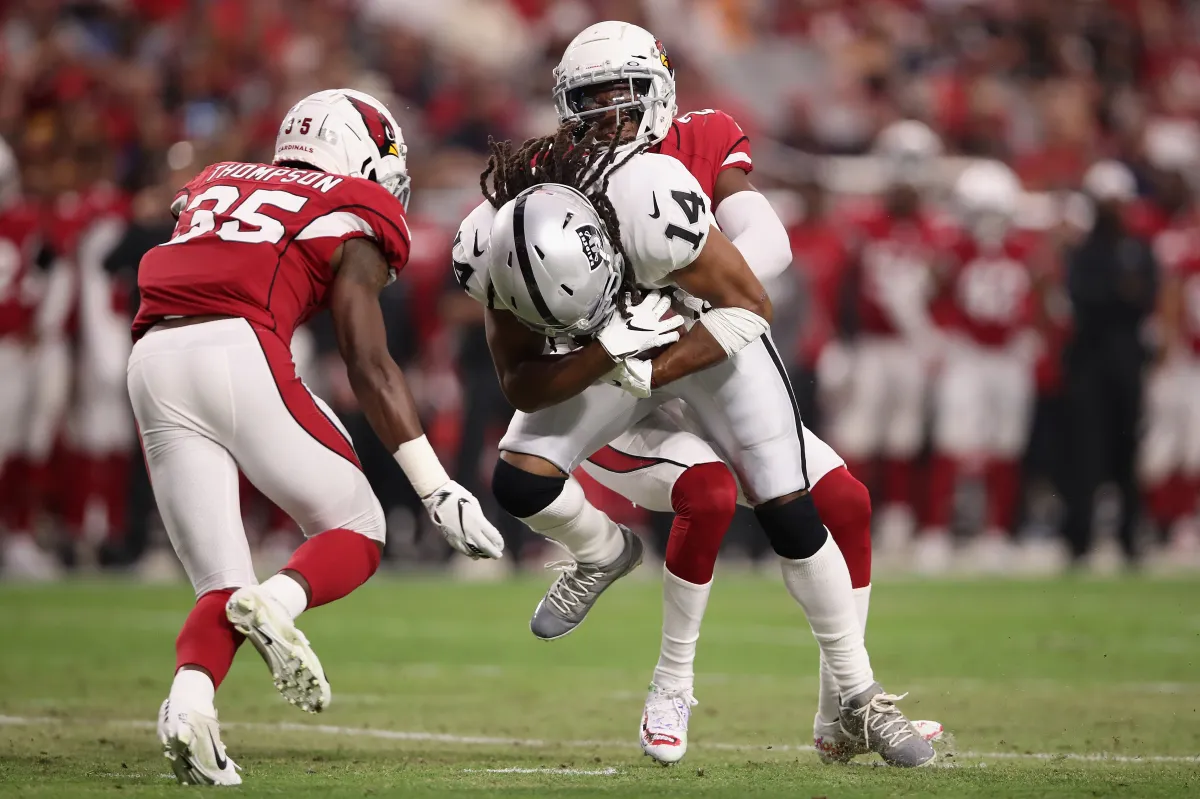
Entering the NFL as an undrafted free agent in April 2018, Chris Payton-Jones’s journey was a testament to unyielding ambition, bouncing between teams like a roll call of football dreams. The Detroit Lions, where he signed in a flurry of roster moves, seemed like the perfect starting point for an eager young player hungry to make his mark. “He was the kind of guy who could light up a room, and a locker room,” former Lions staffers recalled, his infectious attitude bridging gaps in a competitive environment. However, the grind was real; the Lions cut him on September 1, 2018, after training camp, a common rite for aspiring pros who face the harsh realities of roster decisions. It wasn’t personal—it was the business of the game—but for Payton-Jones, it stung like a missed tackle. Just two days later, though, the Arizona Cardinals scooped him up to their practice squad, offering a lifeline and a chance to prove himself. That fall, he saw action in two regular-season games as a reserve, dipping his toes into the big league waters. By 2019, he had blossomed, appearing in 11 games and earning his first three NFL starts—a milestone that validated years of sweat and missed tackles. Teammates described him as a positive force, his energy lifting spirits during tough practices and game days alike. From 2020 to 2022, Payton-Jones’s name appeared on rosters across the league, a nomadic traveler chasing opportunity. The Lions brought him back, followed by stints with the Minnesota Vikings, Tennessee Titans, and Las Vegas Raiders. These moves weren’t glamorous; he saw action in 16 regular-season games over those years, accumulating 48 tackles and seven passes defended in 29 total games—numbers that might seem modest on paper but represented battles won against long odds. Practice squad duty defined much of his time, a grueling existence of conditioning workouts and situational drills, waiting for his moment in the sun. Yet, through it all, Payton-Jones remained the guy who showed up every day with a grin, turning potential setbacks into sources of motivation. Coaches praised his versatility and professionalism, noting how he adapted seamlessly to new schemes and team cultures. Off the field, he formed bonds with teammates, sharing stories of overcoming challenges, his high school roots providing natural storytelling fodder. The league’s carousel spun him like a carousel, but he embraced it, learning from each stop. In Detroit again, he reveled in the familiarity; in Minnesota’s crisp air, he tackled with renewed vigor; Tennessee’s gridiron became a playground for his skills; and in Las Vegas, he dreamed under the lights. Each team etched a piece of its identity onto him, molding a well-rounded player who understood the game’s intricacies. His tackles weren’t just stats—they were narratives of determination, defending passes against stars, motivating rookies with his veteran wisdom despite his youth. Fans and family followed his journey, celebrating every cameo appearance on Sunday afternoons. It was a rollercoaster ride, filled with cuts and recalls, but Payton-Jones rode it with grace, his positivity a constant anchor. By his final NFL phase, he had etched his name into the game’s history, a journeyman who taught that persistence trumps prestige. His career mirrored life’s unpredictability, a lesson underscored by his untimely end, reminding us that every snap counts.
After hanging up his cleats in the NFL, Chris Payton-Jones transitioned seamlessly into post-football ventures, embracing new pastures with the same zeal that defined his gridiron days. From 2022 to 2024, he laced up for the Seattle SeaDragons in the XFL and the St. Louis Battlehawks in the UFL, bringing his defensive acumen to arenas that valued raw passion over major league polish. These leagues offered a fresh challenge, where passionate fans and innovative plays breathed new life into his career. Payton-Jones thrived in the XFL’s dynamic environment, his tackles and pass breakups earning him respect among peers who marveled at his professionalism amidst the chaos of a startup league. Teammates fondly recalled his leadership, how he’d organize team-building events and share motivational speeches drawn from his NFL experiences. The UFL stint in St. Louis added another layer, allowing him to connect with a dedicated fanbase while adapting to the sport’s evolving rules. It wasn’t just about the game; it was about community, the thrill of competing at a high level outside the NFL spotlight. Alongside his playing days, Payton-Jones ventured into media, launching a YouTube channel under the “Flashflix” brand, dedicated to highlighting local sports in his beloved Jacksonville. Imagine him behind the camera, narrating highlights of high school games or interviewing up-and-coming athletes from his hometown. The channel became a passion project, a way to give back and stay connected to the grassroots level that fueled his own dreams. Fans subscribed for his genuine enthusiasm, his takes blending personal anecdotes with expert analysis. “Flashflix was Chris’s way of keeping the love alive,” a subscriber commented, “His stories made you feel like you knew the players.” He updated regularly, his posts a mix of wit, warmth, and football wisdom, drawing parallels between pro plays and local talent. This entrepreneurial spirit showcased his versatility, proving he wasn’t just a player but a storyteller. Recently, Payton-Jones announced his retirement from football, a decision met with bittersweet tributes. He spoke candidly about chasing family time, pursuing other interests, and reflecting on a journey that spanned high school to semipro leagues. “Football has been my life,” he shared in a YouTube wrap-up, “but now it’s time for new chapters.” His post-retirement plans hinted at coaching gigs or more media work, dreams cut tragically short. Friends noted how he balanced his busy schedule with family visits, community events, and philanthropy, always prioritizing relationships. The YouTube venture wasn’t lucrative like endorsements, but it was fulfilling, a platform for positivity in an industry often marred by negativity. Payton-Jones used it to uplift emerging athletes, much like his mentor Geis had done for him. In Seattle and St. Louis, he built lasting friendships, his storytelling bringing people closer. The high emotions of wins and losses in alternative leagues mirrored his life—full of highs, framed by relentless optimism. As he stepped away, his legacy grew,a symbol of reinvention. These years off the field revealed a man who lived multidimensional dreams, blending athletic prowess with creative expression, leaving a void that resonated deeply with those who followed his journey.
Beyond the stats and the spotlight, Chris Payton-Jones was a man whose character shone brightly, a beacon of positivity that touched everyone from coaches to casual acquaintances. Adam Geis’s tribute painted a vivid portrait of a pupil who embodied dedication and joy. “Everyone loved him,” Geis said, his words a testament to Payton-Jones’s magnetic personality. Picture a young man at Sandalwood High, practicing in the sweltering Jacksonville heat, sweat glistening but a smile unwavering—a kid who turned every drill into an adventure. His positivity wasn’t performative; it was genuine, a shield against life’s knocks, from his college knee injury to NFL roster cuts. Payton-Jones never uttered a negative word, choosing instead to uplift others, whether teammates questioning their skills or strangers in need of encouragement. This trait wasn’t just admirable; it was transformative, inspiring locker room morale and community spirit alike. Friends shared stories of his generosity—organizing charity events, volunteering at youth camps, his “Flashflix” videos often spotlighting underserved local teams. He was the friend who showed up for birthdays with a joke and a pep talk, the colleague who mentored rookies with patience. His warmth extended to his family, whom he adored, balancing football’s demands with quality time that strengthened bonds. Mentors praised his work ethic, how he’d stay late to help others, turning potential rivals into allies. In interviews, Payton-Jones spoke humbly of his journey, attributing success to gratitude rather than glory. Off the field, he enjoyed simple pleasures: fishing trips, watching Jacksonville Sharks games, bonding with high school buddies over backyard barbecues. His humor was legendary, lightening tense moments with self-deprecating tales from his undrafted days. Yet, beneath the levity was deep empathy; he’d lost friends in similar accidents, making safety a quiet advocacy. Payton-Jones’s faith, though rarely vocalized, guided him, his resilience a reflection of inner strength. Coaches recounted how he’d motivate teams with quotes like “Play for the name on the front, not the back,” emphasizing unity over individualism. In a league rife with egos, his approach stood out, fostering loyalty that spanned teams. His high school coach’s memories evoked a mentor-protégé bond forged in mud and effort, a relationship that blossomed into lifelong friendship. Payton-Jones’s character made him more than an athlete; he was a role model, teaching that kindness amplifies talent. Mourners at his memorial highlighted this, sharing how he’d touched lives subtly yet profoundly. His positivity wasn’t innate luck; it was a choice, cultivated through struggles and triumphs. In a world of cynicism, he was a reminder that light can pierce any darkness, his legacy a call to emulate his spirit. As tributes poured in from across the sports world, Payton-Jones’s human side emerged, painting a mosaic of a man who chased passion with heart.
The ripple effects of Chris Payton-Jones’s passing echoed through the football community and beyond, intertwining his story with broader reflections on life, loss, and the fragility of dreams. His April 11 accident in Alachua County wasn’t isolated; it paralleled tragedies in sports, like the untimely death of a former Broncos and Chargers quarterback, a talent whose own promising career ended prematurely. Such parallels underscored a somber reality: even elite athletes aren’t immune to life’s random cruelties. Payton-Jones, a 6-year vet whose 29 NFL games were filled with determination, became a symbol of perseverance amidst obituaries noting the Bengals running back’s passing and the 96-year-old Eagles legend’s farewell. These losses, clustered in time, prompted soul-searching in fandom circles, fans and families grappling with grief while celebrating hard-fought legacies. His accident sparked discussions on road safety, with experts citing the dangers of late-night drives and urging vigilance—lessons Payton-Jones himself might have heeded. Jacksonville, his hometown, mourned deeply, community vigils turning into platforms for remembrance, his YouTube followers sharing videos in tribute. Former teammates and coaches paid homage, his NFL stints with four teams a testament to resilience, his XFL and UFL chapters adding depth to his narrative. Beyond sports, his positive outlook inspired non-athletes, his story resonating as motivation to embrace joy daily. Geis’s eulogistic words captured this, portraying a life of unfiltered positivity amidst football’s rigors. Payton-Jones’s family received an outpouring of support, friends forming support networks to honor his memory. Reflections in Newsweek Sports and local news highlighted his journey from undrafted hopeful to contented retiree, his recent announcement of stepping away adding poignancy. Mentors recalled guiding him, their pride in his achievements tinged with sorrow. His “Flashflix” channel continued as a digital legacy, views surging as fans revisited his enthusiasm. In broader context, his passing joined conversations on athlete mental health and post-career transitions, his content retirement symbolizing peaceful closure. Yet, the void was palpable; peers vowed to carry his spirit, channeling positivity into action. Jacksonville’s sports scene dimmed without his light, local leagues adopting initiatives in his name. Ultimately, Payton-Jones’s end reminded us of life’s ephemerality, urging celebration of each moment. His 30 years encapsulated ambition, kindness, and joy—a human tale prompting introspection on our own pursuits. As the football world grieved, his story became a chapter in sports lore, a call to live with purpose and positivity, the ultimate tribute to a life well-lived.