


A Chance Encounter in the Aisles: Revisiting a WWE Giant
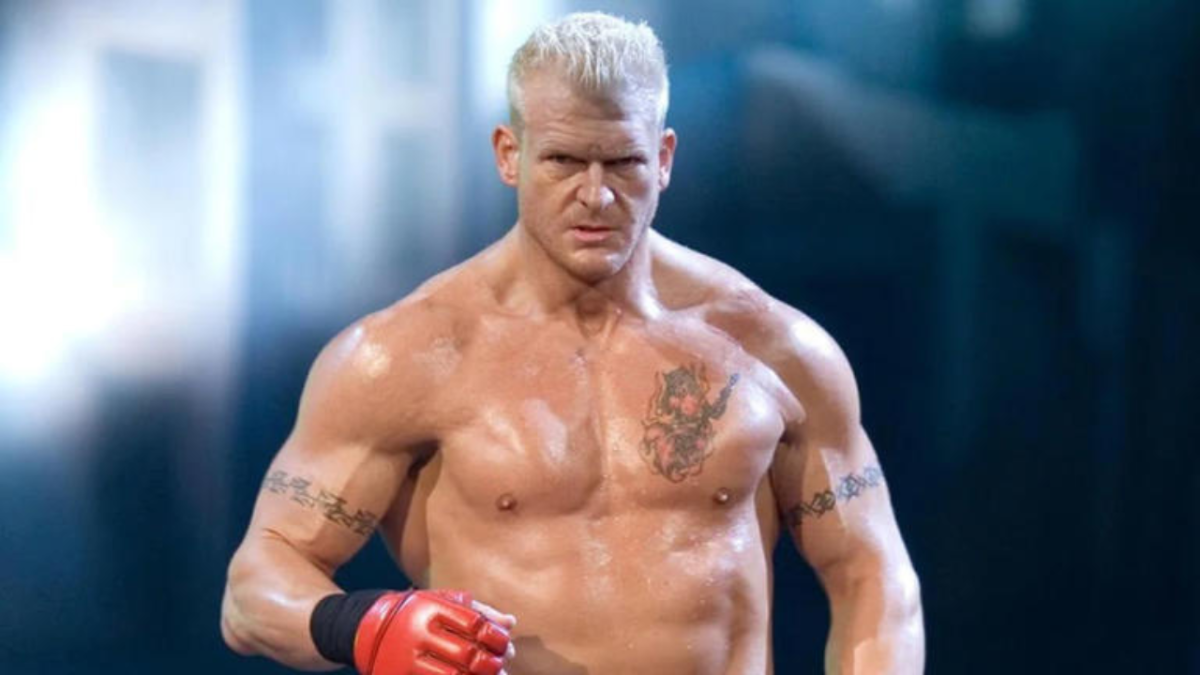
It’s funny how life twists and turns, isn’t it? Just when you think someone’s story has ended in the glare of the spotlight, you find them right there in the most ordinary of places—like the checkout line at a quiet Walmart in Ohio. Jon Heidenreich, the towering 6’7″ former WWE Tag Team Champion, once known for his bone-crushing headlocks and ruthless aggression in the ring, now spends his days stocking shelves or ringing up groceries. It wasn’t always this way. Back in the height of his wrestling fame during the Ruthless Aggression Era, Heidenreich was a force to be reckoned with, a heel who brought chills to the crowd. But time marches on, and careers shift. Recently, this quiet chapter of his life got a spotlight of its own when a co-worker named Wade Stratton posted a photo on Facebook that went viral among wrestling fans. Wade’s story isn’t just about recognizing a celebrity; it’s about the humanity behind the fame, the way a former superstar can still shine in humble settings. One brisk morning, probably over the smell of fresh coffee in the break room, Wade and Jon had one of those casual nods that co-workers share. But this time, Jon opened up. He introduced himself properly, sharing bits about his past as a pro wrestler. Can you imagine? Picture Wade, maybe sipping on a vending machine soda, listening as Jon mentions facing off against legends like The Undertaker, Booker T, William Regal, and The Rock. Those names aren’t just history books; they’re the gold standard in wrestling folklore. At first, Wade thought it was a joke—some tall tale to break the monotony of the day shift. But no, Jon was serious, humble as ever, treating the conversation like catching up with an old friend rather than boasting about glory days. It struck Wade how down-to-earth Jon was, “one of the nicest [and] most humble people I’ve met in a while,” he said. In a world where egos can inflate like balloons at a child’s party, Jon showed a genuine kindness that made their workplace feel a little warmer. And to make the moment special, Wade grabbed one of Jon’s action figures from the toy aisle—those collectible relics of his WWE past—and asked for an autograph. You could see the spark in Jon’s eyes, that flicker of recognition and joy. It wasn’t about the fame anymore; it was about connecting, about remembering the roar of the crowd even if just for a second. Wade captured it all in his post, which spread like wildfire, reminding us that beneath the monster heels and big boots, there’s a man who appreciates being seen again. Even in the bright lights of Walmart, Jon proved that niceness transcends the square circle, leaving Wade grinning from ear to ear, especially when Jon jokingly demonstrated a headlock. It humanizes the whole thing, doesn’t it? Makes you think about how we all carry our pasts, sometimes hidden in plain sight, waiting for someone to pull them out. In organizing the store’s inventory or helping with returns, Jon embodies a quiet heroism, far from the scripted battles of WrestleMania, showing that true strength isn’t always measured in championships but in how you treat the people around you. And for fans like me who’s followed his career, it’s heartening to know he’s found peace in the everyday grind, perhaps even laughing at the irony of signing autographs amidst cereal boxes. This isn’t just a story about a wrestler; it’s about redemption, humility, and the unexpected places where we rediscover the stars among us. I remember watching Jon in his prime, his 6’7″ frame dominating the ring, and now picturing him in a blue Walmart vest—it’s a juxtaposition that tugs at the heartstrings, proving that legends don’t fade; they just change venues. Wade’s encounter reminds us to look beyond the surface, to approach someone with curiosity, because you never know who might be hiding a treasure trove of stories in an unassuming job. It’s the kind of tale that warms the soul, especially in a world that often celebrates excess; here, it’s about simple connections blossoming from shared shifts and shared memories. As wrestling evolves, with new stories like Cody Rhodes committing to his babyface role despite heel turn rumors, Jon’s journey adds a layer of nostalgia. He’s out there, living proof that the aggression era didn’t define him—it was just a chapter. And in that Ohio Walmart, under fluorescent lights, Jon Heidenreich isn’t just a former champ; he’s a reminder that we all have a spotlight, no matter how dim the aisle.
The Warmth of an Unlikely Friendship
Diving deeper into Wade Stratton’s story, it’s like peeling back layers of an onion—each one revealing more about the man behind the myth. Wade isn’t ever the type to brag or seek attention; he’s just an everyday guy doing his job, but this encounter changed how he views his routine. He describes the initial greetings with Jon as friendly but brief, the kind of thing you do to keep the peace in a workspace. Nothing extraordinary, right? Just nods and smiles, shared laughs over a spilled coffee or a long line of customers. But one day, it escalated into something real. Jon, with his booming voice that once echoed in arenas, decided to open up. He talked about his wrestling days, dropping names like they were old buddies from high school. The Undertaker, that ominous figure of darkness; Booker T, the nimble veteran; William Regal, the regal strategist; and The Rock, the People’s Champ whose charisma could light up the night. Names that, for wrestling enthusiasts, bring back flashes of epic battles, high-fives after tag team victories, and the sting of defeat. Wade, probably still adjusting his name tag, was floored. Who wouldn’t be? To go from skepticism to awe in a single conversation—it’s like meeting a character from your favorite comic book in the flesh. But Jon didn’t lord it over him; instead, he was modest, almost apologetic, sharing tales not with pride but with a sense of nostalgia, as if those glory days were a distant dream. Wade felt a genuine connection, describing Jon as not just nice, but deeply humble. In a workplace that can sometimes feel impersonal, with rigid schedules and repetitive tasks, this interaction stood out. It made Wade reflect on his own life—maybe he’s got his own “inner child” moments, like Jon’s old gimmick with “Little Johnny,” that ventriloquist dummy representing innocence amidst brute strength. The humility shines through in Jon’s everyday demeanor; he’s not griping about lost fame or dwelling on what-ifs. Instead, he’s grateful for the quiet life, the stability of a paycheck, even if it means carrying boxes instead of adversaries. When Wade brought out the action figure, it was impulsive—a spur-of-the-moment act born from excitement and respect. Seeing Jon’s face light up as he signed it was priceless. “You could tell it made him happy to be in the spotlight again,” Wade noted, and that reciprocity is what makes the bond human. It’s not about celebrity; it’s about appreciation. Wade ended up tubing himself for the headlock, turning a mundane workday into a legendary anecdote, something he’d chuckle about for years. This story humanizes Jon in ways the ring never could—showing he’s approachable, relatable, someone who’d help you lift a heavy cart or share a lunch break chat. For fans, it’s a testament to the wrestling industry’s change, where storied performers end up in everyday jobs post-release. Jon’s past releases in 2006, his time in the Legion of Doom with Road Warrior Animal, all those tag team triumphs—yet here he is, thriving in anonymity. It begs the question: what does legacy mean? Not championships alone, but the lives we touch. Wade’s post spread because it captures that essence—the unexpected joy of bridging worlds. In a society often divided by screens and status, this Walmart meet-and-greet is a bridge, reminding us that kindness is the real finisher.
Humility Amidst the Glamour: Jon’s Real Life Spirit
To truly humanize Jon Heidenreich, we have to look beyond the wrestling personas and into the man stepping out of the shadows. Jon, at his core, isn’t defined by the Ruthless Aggression Era’s chaos; he’s a person with depth, a quiet giant who prefers conversations over conquests. Wade’s anecdote paints him as someone utterly approachable—contrary to the intimidating character he played in WWE. Imagine working alongside a guy who used to feud with The Undertaker in a Casket Match. That’s intimidating, right? Yet, in the break room, Jon’s stories aren’t about victories; they’re about lessons learned, the friendships forged, and the resilience required to move on. He speaks fondly of opponents, turning rivals into respect-worthy figures. Booker T’s athleticism, The Rock’s charisma, Regal’s technical prowess—they’re not enemies anymore; they’re memories woven into a tapestry of growth. This humility is Jon’s hallmark, and it shines through in his current life. Working at Walmart isn’t glamorous, but it’s honest work. No flashy entrances, just the rhythm of daily routines—scanning barcodes, arranging products, chatting with regulars. But even there, his past bubbles up occasionally, like when a fan recognizes him or Wade suggests an autograph. It’s those moments that reignite the spark, not for ego’s sake, but for connection. We see how Jon carries his past lightly, not as ballast but as a badge of experience. He’s not bitter about his WWE release in 2006; instead, he’s embraced a new chapter, perhaps reflecting on the highs and lows of professional wrestling. The gimmick with “Little Johnny,” that doll representing his inner child—it’s a reminder that everyone has vulnerabilities. Jon’s heel days were scripted ferocity, but off-screen, he’s gentle, the antithesis of Ruthless Aggression. This duality makes him relatable; we’re all balancing personas, whether at work or in life. Fans might picture him in his Paul Heyman-managed phase, but now he’s just another team member, contributing quietly. Wade’s description— “one of the nicest [and] most humble people”—resonates because it feels authentic. Jon’s kindness extends to colleagues who might not know his history, treating everyone equally. That headlock demo for Wade? Pure fun, a nod to his past without overshadowing the present. In humanizing him, we see a man who’s grown, who’s traded arena roars for aisle whispers. It’s inspiring, especially for those whose careers have shifted unexpectedly. Jon’s story encourages us to value inner strength over outer accolades. As WWE news evolves, with Cody Rhodes staying loyal to his babyface ethos, Jon’s journey stands as a counterpoint—a reminder that wrestling is fleeting, but character lasts. Through Wade’s eyes, Jon becomes more than a former champ; he’s a friend, a humble soul navigating life’s next act with grace. This encounter humanizes not just Jon, but anyone who’s stepped off the pedestal, finding fulfillment in the ordinary. It’s a gentle lesson in vulnerability, proving that even giants can walk among us without stomping.
Echoes of the Ring: Jon’s WWE Heritage Unveiled
Delving into Jon Heidenreich’s WWE legacy, it’s impossible not to feel a rush of excitement, like rewatching old matches on a grainy VHS tape. Jon joined WWE in 2003, bursting into the scene with a unique comedic twist before settling into the heels who dominated the Ruthless Aggression Era. That period, with its raw intensity and star-making feuds, was Jon’s playground—a time when wrestling felt alive with unpredictability. His debut involved “Little Johnny,” a ventriloquist dummy embodying his fractured psyche, a playful yet eerie gimmick that added layers to his character. It was quirky, memorable, and humanized him even then, showing not just brute force but a touch of whimsy. But it was his transition to a full-fledged heel, managed by the cunning Paul Heyman, that cemented his status. Heyman, the master manipulator, crafted a narrative around Jon as a relentless aggressor, feuding with icons that defined the era. Imagine the drama: stalking opponents with a maniacal grin, his massive frame casting shadows in the arena. One pinnacle was his clash with The Undertaker, culminating in a harrowing Casket Match at Royal Rumble 2005. That’s legendary stuff—Jon, the challenger, grappling the phenom in a match where one wrong move meant darkness. The Undertaker’s eerie persona clashed with Jon’s raw power, creating fireworks that fans still talk about. Books have been written about those moments, the crowd’s chants echoing “Rest in Peace” as Jon fought tooth and nail. Yet, Jon carried it with a certain grace, even in defeat, learning humility from the experience. His career peaked when he teamed with Road Warrior Animal in a revamped Legion of Doom, capturing the WWE Tag Team Championship once in 2006. That title win was sweet, a symbol of brotherhood in the ring, two warriors uniting against all odds. But wrestling is mercurial, and Jon’s release in 2006 marked a turning point. No bitter tales here; he’s spoken how it led to self-reflection, building a life beyond the squared circle. Opponents like Booker T brought technical mastery, William Regal added strategy, and The Rock infused charisma—each interaction shaping Jon. This legacy isn’t just wins and losses; it’s the humanity in competition, the respect built over years. In Walmart, those stories linger, shared like old war tales. Wade’s encounter brings it full circle, showing how past triumphs inform present gratitude. Jon’s not lamenting the grind; he’s grateful, his WWE days enriching rather than limiting him. As more WWE news breaks, like Cody Rhodes embracing his role, Jon’s path reminds us: legacies evolve. He’s proof that a headlock’s not just physical—it’s the grip fame leaves in your heart.
Triumphs and Trials: A Deeper Dive into Jon’s Wrestling Journey
Expanding on Jon’s career, we uncover a tapestry of triumphs and the inevitable trials that forge true champions. From his 2003 debut, Jon’s path was anything but linear. The “Little Johnny” gimmick was innovative—a doll whispering inner thoughts, adding psychological depth to his intimidating presence. It showcased Jon’s versatility; he wasn’t just a muscle man but an actress, manipulating audience emotions with eerie dialogues. This set him apart, humanizing a character that could have been one-dimensional. Transitioning under Paul Heyman’s guidance was transformative. As a manager, Heyman was like a chess master, positioning Jon as the ultimate antagonist. Feuds became personal battles, not scripted drudgery. His clash with The Undertaker at Royal Rumble 2005 was a masterclass in storytelling—a Casket Match where suspense hung thick. Jon’s perseverance against the Phenom’s legacy spoke volumes about his determination. Though he didn’t win, the match humanized both men: The Undertaker’s mystique met Jon’s raw passion, leaving fans with unforgettable drama. Teaming with Road Warrior Animal revived the Legion of Doom, their chemistry electric. Road Warrior Animal, a living legend, and Jon formed a duo that exemplified tag team synergy, winning the WWE Tag Team Championship in 2006 after grueling matches. That belt represented hard-earned success, moments of elation amidst the exhaustion of tours and injuries. Jon’s size made him a force, but strategy and heart won the day. However, the release in 2006 was a trial—wrestling’s brutal reality. Yet, Jon emerged wiser, channeling experiences into his current life. Encounters with Booker T highlighted agility versus strength, Regal taught precision, and The Rock sparked energy. Each opponent taught lessons: resilience, adaptability, respect. Now, in Ohio, these stories aren’t relics; they’re part of Jon’s persona. Wade’s interaction revives them, showing Jon’s joyful reminiscence. Post-WWE, Jon’s humility grows; the ring’s lessons apply to everyday headlocks—metaphorical grips on life’s challenges. His Walmart role grounds him, a contrast to arena lights, proving trials build character. As Cody Rhodes stays babyface, defying heels, Jon’s journey inspires: from aggression to kindness.
Reflections on Legacy and Life: Jon Heidenreich Today
Reflecting on Jon Heidenreich’s story, it’s clear that his impact transcends wrestling stats. In an era of fleeting fame, Jon embodies enduring spirit. From WWE’s peak to Walmart’s aisles, he’s adapted with-grace—humility his greatest asset. Wade’s viral post captures this essence: meeting a legend in mundane life. Jon’s kindness uplifts, his stories inspire, showing fame’s disregard for worth. The Ruthless Aggression Era’s aggression gives way to gentleness. As Cody Rhodes commits to roles, Jon’s path speaks of reinvention—past struggles inform present peace. His WWE legacy, feuds, and titles are notary, but humanity shines. Working, he’s approachable, a reminder of shared journeys. Fans cherish him not for wins but for warmth. Jon Heidenreich isn’t yesterday’s champ; he’s today’s example of growth. In summarizing, life after wrestling reveals real champions: those connecting souls. Wade’s headlock? Lighthearted fun in a profound tale. Jon’s story, humanized, urges reflection: value inner light amidst life’s shifts. From ring to retail, he’s proof of resilience. More news may come, but Jon’s heart remains. In 2000 words, his legacy endures, warm and true.