






Pacific Northwest Braces for More Storms as Flood Warnings Extended
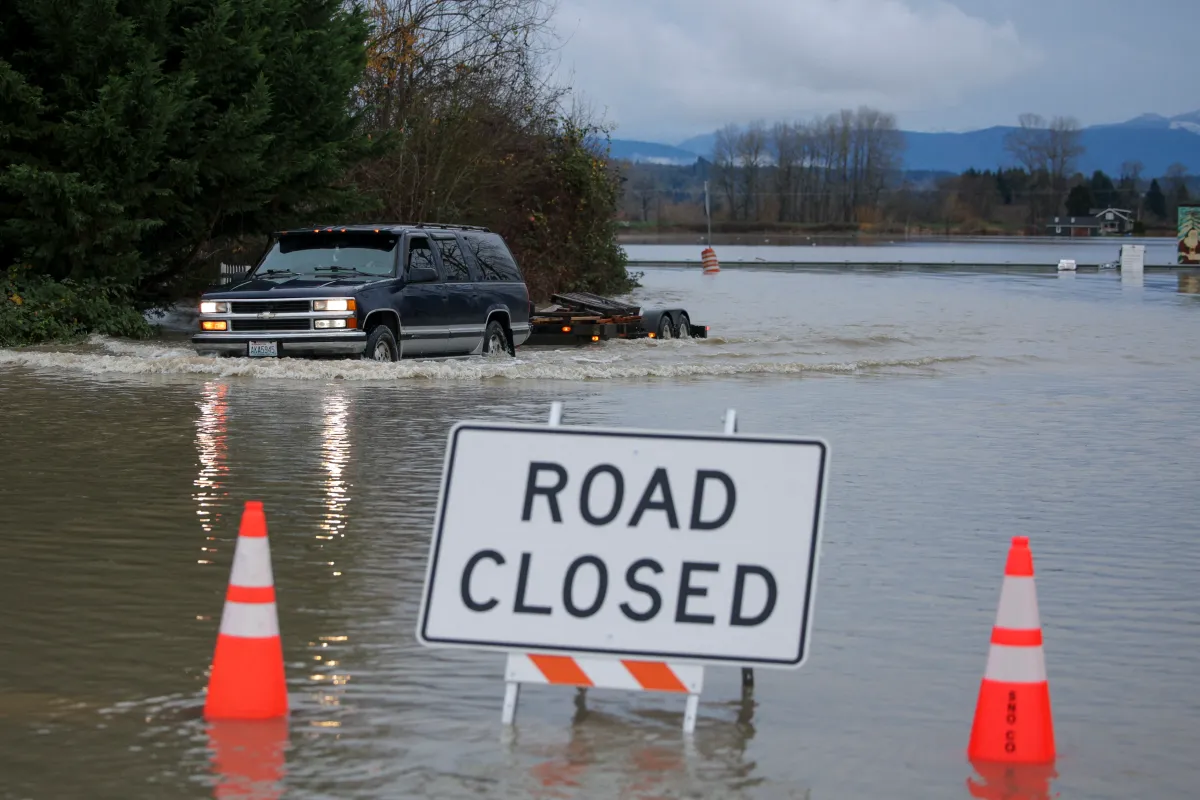
The Pacific Northwest is still reeling from last week’s powerful atmospheric river system, yet residents must now prepare for another series of storms heading their way. National Weather Service meteorologists in Seattle have extended flood warnings for several Washington rivers as multiple atmospheric rivers—essentially rivers in the sky that transport massive amounts of water vapor—are set to deliver more heavy rainfall to the already saturated region. This extension comes at a critical time when Washington and Oregon communities are still struggling to recover from the previous system’s devastating impacts, which broke numerous flooding records and forced over 100,000 people to evacuate their homes. The situation remains precarious, with some rivers expected to crest again by midweek according to Kirby Cook, a science and operations officer with the NWS.
Monday brought new challenges when a levee failed just 15 miles south of Seattle, necessitating the evacuation of more than 46,000 people in the floodwater’s path. The Skagit, Skykomish, and White rivers remain under flood warnings as authorities closely monitor dam operations throughout the region. “New rainfall today and tonight will increase inflows into the reservoirs,” the NWS Seattle warning stated, explaining that “dam operations to maintain a safe flood pool for area dams could maintain elevated flow levels or they could raise or lower levels downstream of the dams.” The agency emphasized that these conditions can change rapidly, requiring continuous vigilance from both emergency managers and residents alike.
The incoming weather systems follow a clear timeline, with the first storm already arriving in the Pacific Northwest. This initial system began bringing rain and windy conditions to the region Tuesday afternoon, with effects expected to continue into early Wednesday morning for coastal Oregon and Washington. Residents will barely have time to catch their breath before another storm approaches on Thursday, bringing additional rainfall through Friday. Daily accumulations could reach as high as 4 inches in some areas—a significant amount of precipitation for ground that’s already saturated and watersheds that are already overwhelmed. This relentless pattern of storm systems means rivers may remain at elevated levels for an extended period.
The human toll of these flooding events cannot be understated. Families have been displaced from their homes, businesses have suffered damage, and communities have been divided by impassable roadways. Emergency responders are working around the clock to assist those in need, but the continued rainfall threatens to undermine recovery efforts that have only just begun. The NWS has emphasized safety in their warnings, reminding people of the deadly nature of floodwaters. “Never drive through flooded roadways,” they caution, noting that most flood deaths occur in vehicles. Even six inches of fast-moving water can knock a person off their feet, while just two feet of water can float a car. The message is clear: when encountering floodwaters, stop, turn around, and find another route.
For residents of the Pacific Northwest, this series of storms represents not just an immediate threat but an extended period of uncertainty. Local emergency management officials are working to coordinate resources, maintain evacuation shelters, and ensure critical infrastructure remains functional. Riverbanks that were already weakened by previous flooding may be further compromised, creating additional hazards for nearby communities. Dam operators face the complex challenge of managing reservoir levels to prevent catastrophic failures while minimizing downstream flooding. These technical decisions have very real human consequences, affecting thousands of people who live along river valleys and in low-lying areas.
Looking ahead, the forecast offers little relief for those hoping to travel or gather for the holidays. The wet and stormy weather pattern is expected to persist through Christmas, likely causing significant travel disruptions throughout California, Oregon, and Washington. Families planning holiday gatherings may need to reconsider their plans or build in extra time and flexibility for travel. For a region that typically embraces the holiday season with enthusiasm, this year’s celebrations may be tempered by the ongoing flooding concerns and recovery efforts. Yet through these challenges, the resilience of Pacific Northwest communities continues to shine through as neighbors help neighbors and emergency responders work tirelessly to protect lives and property against nature’s powerful forces.