




Global Travel Updates: From Stranded Tourists to Ancient Discoveries
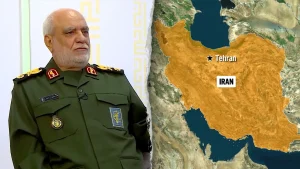
Recent events around the world have created significant ripples in the travel industry, affecting tourists, cruise lines, and historical sites alike. In one remote island destination, escalating regional conflict has led to the suspension of flights, leaving travelers unexpectedly stranded without clear options for departure. This situation highlights the vulnerability of tourism in politically unstable regions and the importance of travel insurance and contingency planning for those venturing to more isolated locations. For many affected tourists, what began as a dream vacation has transformed into an anxiety-inducing waiting game as they seek alternative routes home while navigating unfamiliar territory during a crisis.
Meanwhile, in Hawaii, a contentious “Green Fee” tourist tax has been temporarily halted following legal challenges from the cruise industry. The tax was originally implemented as part of Hawaii’s efforts to balance tourism revenue with environmental conservation, aiming to fund initiatives that would protect the islands’ delicate ecosystems from the impact of millions of annual visitors. However, cruise companies argued that the fee placed an unfair burden on their passengers and potentially violated certain maritime regulations. This pause reflects the ongoing tension between sustainable tourism goals and commercial interests, a debate playing out in popular destinations worldwide as they struggle to maintain both environmental integrity and economic viability.
In the world of historical treasures, scholars are taking a fresh look at the famous Bayeux Tapestry, the medieval artwork that depicts the Norman conquest of England in 1066. This renewed examination is bringing modern analytical techniques to bear on the nearly thousand-year-old textile, potentially revealing previously unnoticed details, challenging long-held interpretations, and providing insights into the artistic methods used by its creators. The tapestry, which stretches nearly 230 feet long, continues to captivate historians and art lovers alike, serving as both an artistic masterpiece and a crucial historical document from the Middle Ages. This reexamination demonstrates how even well-studied artifacts can yield new information when revisited with contemporary perspectives and technologies.
A dramatic rescue operation conducted by the U.S. Coast Guard has captured public attention after footage was released showing the saving of multiple individuals and their pets from perilous circumstances. The video documentation of this rescue showcases the skill, courage, and readiness of Coast Guard personnel who frequently put themselves at risk to save others in maritime emergencies. Such rescues often involve challenging weather conditions, rough waters, and complex extraction procedures that require extensive training and split-second decision-making. Beyond the immediate human interest of the story, these incidents also serve as powerful reminders of water safety importance and the vital role that emergency services play in coastal and maritime regions throughout the United States.
Archaeological excitement has emerged from excavations in a biblical city known for Saint Paul’s preaching, where researchers have unearthed significant Roman-era artifacts. These discoveries provide tangible connections to daily life during the early Christian period and offer new context for understanding the environment in which early Christian teachings spread throughout the Roman Empire. The finds include items of everyday use alongside more significant architectural elements and possibly religious artifacts, painting a more complete picture of the cultural and religious landscape of the time. Such archaeological work bridges ancient texts with physical evidence, allowing historians and religious scholars to develop more nuanced understandings of pivotal historical periods while providing the public with compelling glimpses into lives lived thousands of years ago.
These diverse stories—from stranded tourists and tax disputes to historical reexaminations, heroic rescues, and archaeological discoveries—illustrate the multifaceted nature of travel and heritage news. Each development carries implications beyond its immediate circumstances: the stranded tourists remind us of geopolitical vulnerabilities in tourism; Hawaii’s tax dispute reflects the broader struggle to balance tourism economics with environmental stewardship; the Bayeux Tapestry’s reexamination shows how historical interpretation evolves; the Coast Guard rescue highlights the human drama and danger that can unexpectedly intersect with travel; and the Roman-era discoveries connect us to distant human experiences that shaped our cultural inheritance. Together, these stories remind us that travel—both in the present day and through historical understanding—continues to be a vital way we connect with the broader human experience across time and geographical boundaries.