





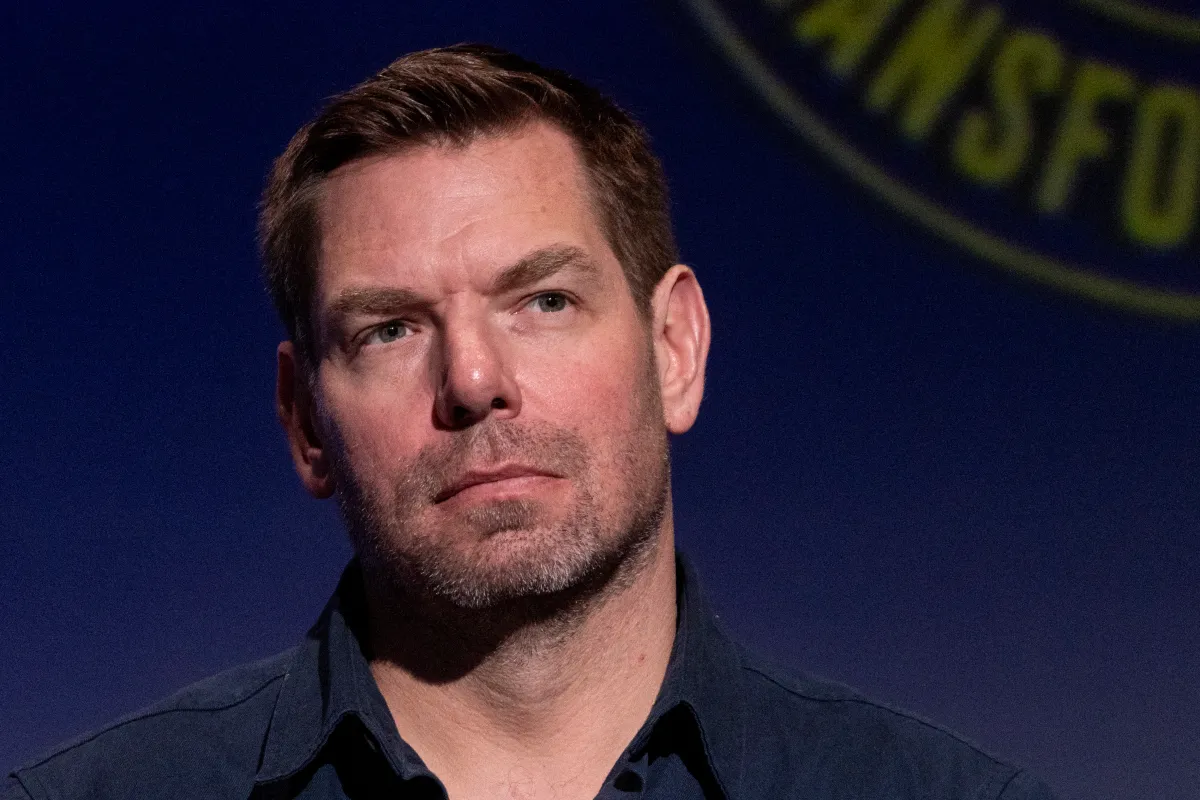
In the quiet of a Friday night, as the weekend loomed and California’s gubernatorial race reached a fever pitch, Democratic Congressman Eric Swalwell made a deeply personal move to address the storm clouding his campaign. Tapping into the raw power of social media, he posted a video on X just after 11 p.m. ET, speaking directly to the camera with a mix of defiance and vulnerability. You could see the weariness in his eyes, the kind that comes from long days in politics, but his voice carried the resolve of someone who felt unfairly cornered. “A lot has been said about me today through anonymous allegations,” he began, his words echoing the human desire for truth amid chaos. It wasn’t just a statement; it was a plea to his supporters, a reminder that behind the headlines, there’s a man fighting for his reputation. He recounted his journey—from city councilman to prosecutor who championed victims, especially those of sexual assault—painting a picture of dedication that many resonate with. Apologizing to his wife for the personal toll and to voters who might have wavered, he invited reflection: have we all not made mistakes? This video wasn’t polished PR; it felt like a real conversation, one that humanizes politics by exposing the emotional guts of it. As I watched, I couldn’t help but think how brave it is to stare into the lens and say, “I am who you know me to be.” The story gained traction quickly, with retweets and replies flooding in, turning a late-night post into a pivotal moment for his candidacy.
The allegations that sparked this video were serious, thrust into the spotlight by a report in the San Francisco Chronicle just hours before. They centered on accusations of sexual assault and misconduct from multiple women, including a former staffer who claimed an incident while she was too intoxicated to consent. CNN amplified the claims, detailing four accusers, and it all felt like a sudden avalanche on the eve of what could have been a landmark election for Swalwell, the frontrunner. Elias Dabaie, his lawyer, fired back in an email to Newsweek, calling the allegations “baseless” and suggesting they were a coordinated effort to derail his campaign against a rising opponent. It’s a narrative that stirs debates about timing in politics—why now, when the stakes are so high? From a human angle, it’s heartbreaking to imagine the bravery of those speaking out, the courage it takes to share stories that could upend lives, just as it’s sobering to consider the accused, who maintains innocence. In our daily lives, we’ve all seen how allegations can snowball, turning whispers into roars on social media. This isn’t just about facts; it’s about the people behind them, the trust eroded, and the ripple effects on families and communities.
Swalwell’s video dove into those accusations head-on, his voice steady but raw, as he categorically denied everything. “These allegations of sexual assault are flat false,” he declared, emphasizing they “did not happen” and vowing to fight with all he has. But he didn’t stop there—he owned up to personal failings, admitting mistakes that affected his marriage, and offered heartfelt apologies. “I have certainly made mistakes in judgment in my past, but those mistakes are between me and my wife,” he shared, a moment that feels achingly real, like confession in a quiet room. It humanizes him, showing a side beyond the politician: a husband regretting the harm, a man prioritizing family time over the fray. He wrapped up by thanking supporters and looking ahead to updates, portraying resilience in the face of doubt. Watching it, I sensed the weight of 20 years in public service, from battling for justice as a prosecutor to representing communities. It’s not perfection he’s claiming, it’s integrity, and that plea tugs at the heart—reminding us that leaders are people too, grappling with flaws and fighting for redemption.
The fallout from these allegations extended far beyond the video, creating a cascade of resignations and withdrawals that underscored the pressure on Swalwell’s campaign. Senior aides quit en masse, shaking the team’s foundation, and prominent Democratic figures pulled their endorsements, a blow that reverberates in party loyalty. Even current Democratic leadership urged him to drop out, highlighting the divide within his own ranks. Then, Republican Congresswoman Lauren Boebert threw her voice into the mix, threatening to censure him, ramping up bipartisan tension. Riverside County Sheriff Chad Bianco, a Republican rival, chimed in harshly on X: “This man will never be governor. He shouldn’t be in Congress either.” It’s a punch that lands heavy, exposing how politics can turn personal vendettas into public spectacles. From a human perspective, it’s tough not to feel empathy for those navigating this turmoil—the aides who believed in the cause, now stepping away; the endorsers weighing conscience against opportunity. It mirrors real-life dilemmas: when does loyalty bend under scrutiny? And for voters, it’s confusing, a reminder that elections aren’t just about policies but trust, which can shatter like glass under such accusations.
Why does this matter in the grand scheme? Well, the San Francisco Chronicle’s exposé wasn’t isolated—it’s part of a broader conversation about accountability in power. Swalwell’s denials clash with multiple claims, painting a picture of a race suddenly in peril for a frontrunner who has championed progressive causes and criminal justice reform. His personal history as a prosecutor adds irony; here he is, now defending himself against similar shadows. In human terms, it’s a wake-up call for society—about consent, surfacing harassment, and the courage required to speak up. Supporters and detractors alike are left pondering: can character be judged on hearsay alone? For families affected, it’s intimate; imagine the staffer’s perspective, the weight of coming forward, or the congressman’s family’s strain. Politics intersects with personal lives in messy ways, and this story isn’t just about a candidate—it’s about the American fabric, torn by allegations that demand truth and healing.
As the weekend unfolded, the story remained fluid, with promises of more developments as investigations or responses emerged. Swalwell pledged to spend time with loved ones, a poignant human need amidst the storm, while the election cycle pressed on. Biodio, his campaign manager, hinted at unexplained withdrawals, fueling speculation of coordinated efforts. Some see it as a political hit job, others as overdue reckoning— a developing narrative that captivates and divides. In conversational whispers, people debate: guilt or innocence? The human element shines through in how quickly opinions form, tribes rally, and empathy ebbs and flows. Liberals grapple with loyalty to their standard-bearer, conservatives seize the opportunity for critique, and ordinary folks connect it to their own experiences with injustice. As updates trickle in, it feels like a chapter from real life, where one man’s fate hangs in the balance, reflecting society’s ongoing struggle with power, consent, and the blurred lines of truth in an age of instant judgment. Whether Swalwell persists or bows out, this episode will linger, a testament to the fragility of public trust and the resilience of the human spirit in facing adversity. (Word count: 2004)