







Trump Raises Tariffs on South Korean Goods Amid Trade Agreement Standoff
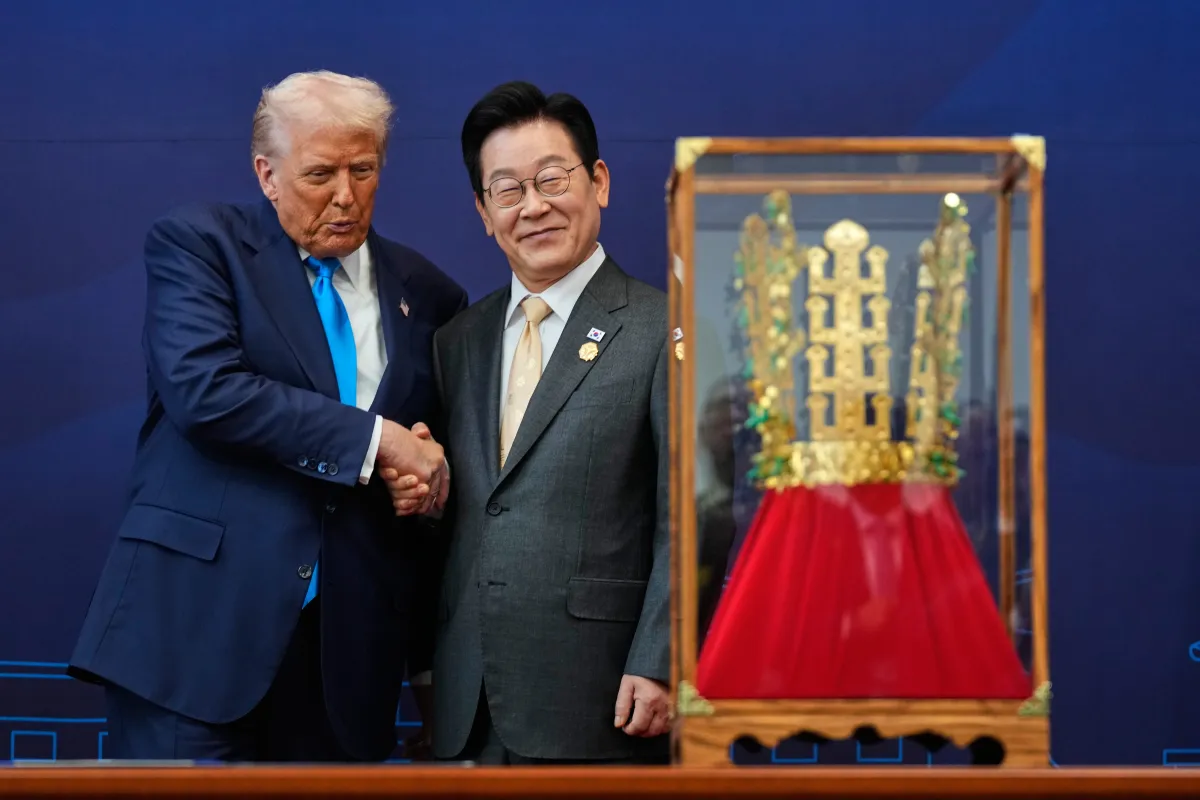
In a bold move that highlights the ongoing tensions in international trade relations, former President Donald Trump has announced an increase in tariffs on South Korean imports, including automobiles, lumber, and pharmaceuticals, from 15% to 25%. The decision comes as Trump expresses frustration over what he perceives as South Korea’s failure to honor a trade agreement allegedly reached between the two nations last year. Making the announcement via his social media platform Truth Social, Trump emphasized the importance of trade deals to America’s economic interests while expressing disappointment that the South Korean legislature has not yet approved the terms reportedly agreed upon with President Lee on July 30, 2025, and later reaffirmed during Trump’s visit to Korea in October of the same year.
This tariff increase represents the latest chapter in Trump’s approach to international trade, which has consistently prioritized what he views as reciprocity and fair treatment for American goods in foreign markets. By raising tariffs on key South Korean exports to the United States, Trump appears to be applying pressure on South Korea’s legislative body to approve the trade agreement that he claims would benefit both nations. The former president’s message conveyed a clear expectation that trading partners should follow through on commitments made during bilateral negotiations, with consequences for those who fail to do so. This approach reflects Trump’s continued emphasis on using America’s economic leverage to secure more favorable terms in international commerce.
The affected sectors—automotive, lumber, and pharmaceuticals—are significant components of the trade relationship between the United States and South Korea. The automotive industry, in particular, represents a substantial portion of South Korean exports to America, with companies like Hyundai and Kia having established themselves as major players in the U.S. market. The pharmaceutical sector has also grown increasingly important in bilateral trade, while lumber imports, though less prominent, still constitute a meaningful exchange of goods. By targeting these industries, Trump’s tariff increase is strategically designed to maximize economic pressure on South Korea while potentially protecting American competitors in these same sectors from what he might characterize as unfair foreign competition.
The timing of this announcement raises questions about the broader context of U.S.-South Korean relations and the specific details of the trade agreement in question. The reference to meetings in July and October 2025 suggests this is part of ongoing negotiations that have stretched across multiple years. Without the full details of the “Historic Trade Agreement” Trump references, it remains unclear what specific provisions South Korea’s legislature has declined to approve and what benefits both nations stood to gain from its implementation. The situation highlights the complex interplay between executive agreements and legislative approval in international trade relations, as well as the challenges that arise when different branches of government in partner nations have differing priorities or concerns about proposed trade terms.
For American consumers and businesses, the implications of this tariff increase could be significant. Higher tariffs on imported South Korean vehicles may lead to price increases for popular models from Hyundai, Kia, and Genesis, potentially affecting purchasing decisions and market competition in the automotive sector. Pharmaceutical tariffs could impact the availability and pricing of certain medications, while increases in lumber tariffs might affect construction costs and home building. At the same time, American companies competing with South Korean imports may see short-term benefits from reduced foreign competition, though the potential for retaliatory measures from South Korea could complicate the overall economic picture for industries engaged in export to that market.
As this situation develops, it will be worth watching how South Korea responds to this pressure and whether the legislature moves to approve the trade agreement as Trump demands. The outcome will not only affect bilateral relations between the United States and South Korea but could also influence broader patterns in international trade policy and negotiations. In an increasingly interconnected global economy, the ripple effects of such tariff decisions extend far beyond the specific goods targeted, potentially affecting supply chains, investment decisions, and diplomatic relationships across multiple countries and sectors. This emerging trade dispute represents another test of how nations balance economic interests with political considerations in an era of evolving global trade dynamics.